Use the filters to browse the information we have available or to narrow your search results for a specific audience (e.g. caregivers, military, children), a preferred type of content (e.g. videos, blogs, articles), or by topics of interest (e.g. family concerns, legal issues, symptoms).
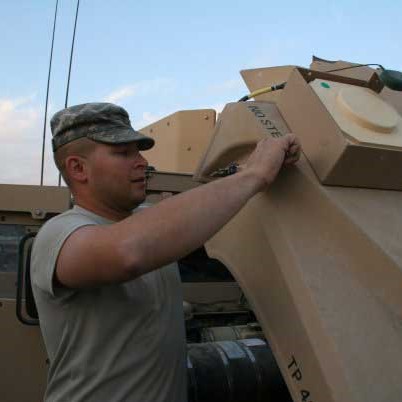
I stared through a sand-crusted windshield. It was more of a film, wiped clear along the path of the wiper blades. A dirty blonde desert haze, matching the Humvee’s paint—not that weird orange-tinged tone oddly clinging to some of our vehicles.
This week on Inside the Military Mind, your host Duane France interviews Molly Wingate, founder and executive director of Poetry Heals. Plus, information on Angels of America's fallen and more on Inside the Military Mind, presented by Family Care Center.
They say that hindsight is always 20-20…that we understand the ramifications of our behavior only from the perspective of looking back on that behavior.
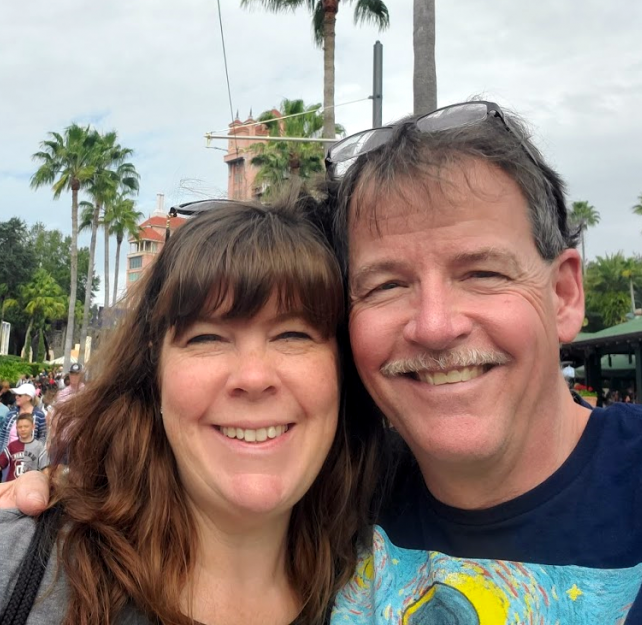
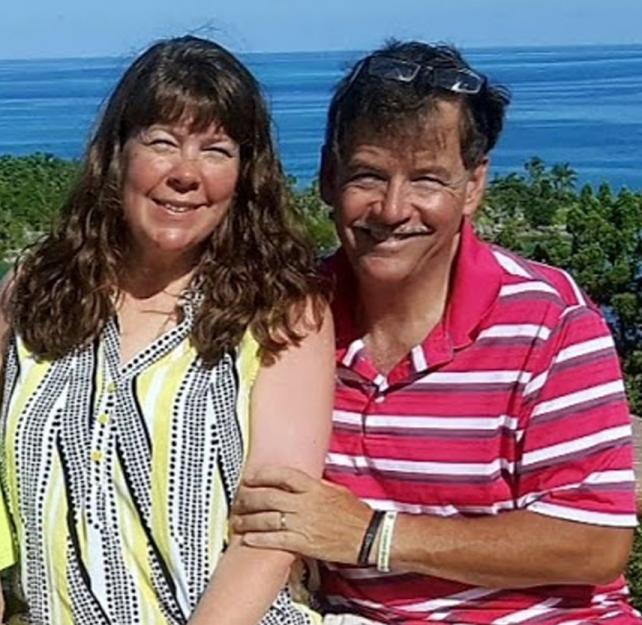
While packing for our trip, I never suspected that PTSD would steal a ride with us, but two of our four nights away found me with the type of horrifying PTSD episodes reminiscent of the early years after my accident.
While in the military, service members are held to and expected to maintain high standards; outside of the military context, high standards are not held or maintained.
Service Members and Veterans can demonstrate their genuine concern for others by being aggressive or mean, either to help improve others or to protect others from the veteran’s own pain.
Service members and veterans are experts at calculating and mitigating risks in the military but engage in high-risk behaviors outside of the military environment
In the military, risk and danger are part of the obstacles to overcome; many veterans, however, see the world as an unsafe place that they need to protect against once they leave the military.
Service members and veterans form intimate bonds with their teammates that will last a lifetime, yet struggle to form or reform intimate relationships with others
The guilt and shame that many service members experience related to the loss or injury of someone they served with are contrasted with the appreciation they have for life.
A paradox is something that seems like there is no way that it could be true. Like the Combat Addiction paradox: I hate war, but I love combat. Both of those things are true, but they seem like they shouldn’t be.
When I was struck by a teenage driver back in 2010, I sustained a traumatic brain injury. In addition to my TBI, four new letters became forever intertwined with my brain injury: PTSD. Over the years, PTSD has proven to be harder to live with than a brain injury.
Though solutions come in unexpected places, I never expected my local Target store to hold to key to freedom from one of my biggest challenges since my brain injury – living with Post Traumatic Stress Disorder.
When a service member is deployed the spouse is everything: head chef, accountant, mechanic, troubleshooter, problem solver, mother, father, good cop, and bad cop. Their job is moving from a dual parent role to a single parent role and back again, constantly. The challenge is that this takes some getting used to for both the spouse and the service member.
Ever wonder what it was like for Superman at home? He has chores and responsibilities, just like every other spouse in a mutually supportive relationship. But how does he leave the cape at the door? And how does Lois get used to him wearing the cape around the house?
The list was written from my own experience as a combat veteran, and from what I’ve learned from veterans in my own work; this post is looking at things from the other side, based on my experiences as a mental health counselor.
There are times when it feels like things cannot get any more surreal, and then they do. Such is the unexpected life that unfolds for so many of us after brain injury.
It will be true on the day I post this, and it will be true on the day that you read it. Another Veteran will have succumbed to the struggle and died by suicide. You may wonder, “what can I do?”