Use the filters to browse the information we have available or to narrow your search results for a specific audience (e.g. caregivers, military, children), a preferred type of content (e.g. videos, blogs, articles), or by topics of interest (e.g. family concerns, legal issues, symptoms).
Ever wonder what it was like for Superman at home? He has chores and responsibilities, just like every other spouse in a mutually supportive relationship. But how does he leave the cape at the door? And how does Lois get used to him wearing the cape around the house?
The list was written from my own experience as a combat veteran, and from what I’ve learned from veterans in my own work; this post is looking at things from the other side, based on my experiences as a mental health counselor.
It will be true on the day I post this, and it will be true on the day that you read it. Another Veteran will have succumbed to the struggle and died by suicide. You may wonder, “what can I do?”
Our lives did not peak on a mountaintop in Afghanistan, or a jungle in Vietnam. They do if we think they do; if we see that as the ultimate achievement in our lives, and everything else is downhill and meaningless, then that’s what we will believe. That’s not the case.
Working with any client can be challenging, but veterans can be especially difficult because of the warrior culture that they are used to. Here what veterans would like their mental health counselor to know before working with them.
My experiences don’t define me, and the Purple Hearts, TBI, and mental health diagnoses of my brothers and sisters don’t define them. I want to survive, and thrive, in spite of what I did and what happened to me...
Caregivers play a vital role in helping veterans recover from TBI and post-traumatic stress. In this article, four military caregivers describe the first major challenge they faced as they began taking on the role of caregiver.
Former Army Sgt. and Dole Caregiver Fellow Danny O'Neel helps fellow veterans who are struggling with how to get through each day. The biggest change for him, he says, was "learning how to listen."
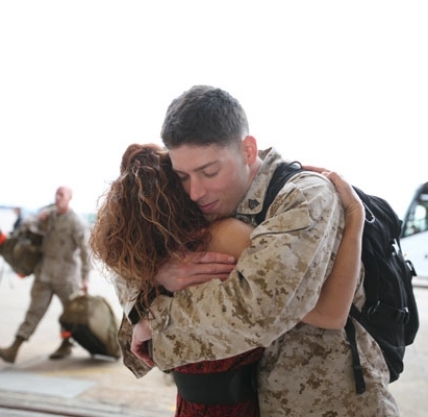
Have you heard the term “new normal” lately? It’s been bouncing around for a few years and is used to describe the adjustments veterans and families go through when they return home from war. Have you ever wondered what it looks like?
When I resigned my teaching position in 2010 to stay home and care for Sean, it was devastating. ER trips were becoming part of our routine, as was calling at the last minute and requesting a sub so I could handle an emergency with Sean. As I sat listening to the ticking of the clock on the wall I was hit with my new reality: I could not continue down both these paths, something had to give.
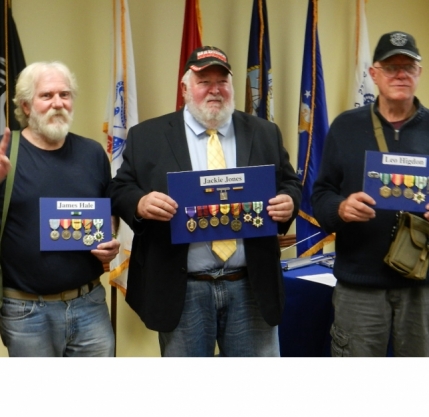
These men are heroes not just for what they survived. They are heroes for living through fifty years of civilians who don’t understand them and loved ones who walk away in tears from actions and responses that, to these men, seem completely normal.
I, personally, never use the word warrior for anyone but a combat veteran. But I do not call them warriors because of what they did during war. I call them warriors because of what they do every single day since returning from war.
You need a mission. So says Sergeant Bill "Big Sarge" Hansen, a former Marine and a current mentor with the Wounded Warrior Project®. Today Sgt. Hansen has a clear mission: to provide mentorship and support to young veterans carrying the physical and emotional scars of war.
The Pearce family misses Army life. They not only lost the stability a healthy father would provide but also an entire way of living — the extended family that the Army creates. After years of struggle, they've found...
I know everyone’s story, while different, can be similar in a lot of ways. I have found there are many ‘walls’ that I have come up against. Some hit me right out of the blue with no warning and others crept up slowly. But, once I realized what the ‘wall’ was, I always manage to find a way to climb over it.
Cheryl Gansner shares her experiences about life with her husband, Sgt. Bryan Gansner, who has TBI and PTSD -- especially the social and emotional side.
For anyone, especially someone living with PTSD and TBI, having a new baby is both joyful and exhausting. Caregiver Cheryl Gansner talks about the challenges of having a new baby in the house.