Use the filters to browse the information we have available or to narrow your search results for a specific audience (e.g. caregivers, military, children), a preferred type of content (e.g. videos, blogs, articles), or by topics of interest (e.g. family concerns, legal issues, symptoms).
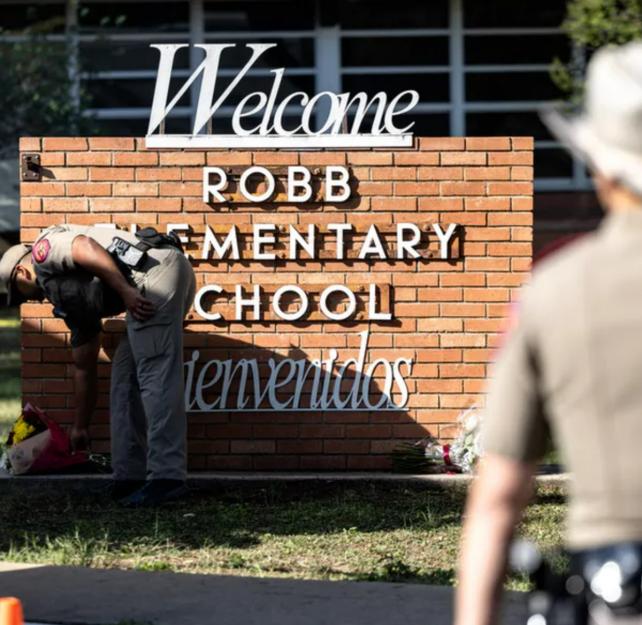
It is important to understand that no two people experience such horrific exposure in the same way. The extent of the trauma, stress or fear can vary. Survivors of a shooting may want to avoid the neighborhood where the shooting occurred or the context related to shooting, such as grocery stores, if the shooting happened at one. In the worst case, a survivor may develop post-traumatic stress disorder.
I have been speaking with veterans and military family members for BrainLine’s Veteran Voices series. They tell us their stories in an attempt to help anyone who might be experiencing issues with PTSD/TBI. Working with BrainLine has also made me realize just how much trauma occurs both during military service and before.
“When I meet people, post-injury who may be stuck in a dark place, who may think their lives are destroyed, I say it’s going to be hard to picture the future but start by dipping your toes into the waters of adaptive sports in a group setting. The sooner you get involved, the better. You don’t have a clue what you will accomplish in life.”
While in the throes of dealing with symptoms from PTSD, my counselor suggested mindfulness and meditation, which I initially thought was a bunch of snake oil … something for hippies, monks, and weirdos. But then I started to learn about the science — and even a little history — and everything began to change; I literally started to breathe again.
William "Bill" Jones joined the United States Army in response to the attacks on 9/11. After several deployments anger, anxiety, and symptoms of post-traumatic stress disorder (PTSD) were taking over and he retired from active duty.
I enjoy watching my husband cry. That sounds so much worse than what I really mean. He’s been on various medications for his PTSD some of which cause emotional blunting — not being able to laugh or cry when appropriate.
To be human is to grieve, and everyone grieves differently and in their own time. But there is a type of grief that many people experience that is less common, less talked about, but none the less real and painful. It’s called ambiguous grief or ambiguous loss.
Retired United States Army Sergeant Angela Peacock shares how a service dog, an RV, and Wounded Warrior Project helped heal her post-traumatic stress (PTSD).
It’s not a stretch to say that without my sife, Sarah, I never would have made it. While I can be overly dramatic — as she can attest — I need to get serious for a moment. No kidding around: the early years after my brain injury sucked. In fact, they were the worst years of my life.
In the past, Russ and I would celebrate across oceans and time zones, sometimes a half hour off. Yes, really. Afghanistan is nine-and-a-half hours ahead of the east coast, 10-and-a-half from Texas. It was wild trying to sync up schedules but I would never turn down a 3AM-my-time video chat. I am grateful we don’t have to contend with that any longer. But Russ being home hasn’t made the transition from 2021 to 2022 any easier.
I can’t sleep, I feel irritated and fearful. And I worry about everything. I haven’t felt like myself in who knows how long. Could all these feelings be from the pandemic?
My early year look-backs were filled with profound sadness, and a sense of loss so overwhelming that I felt smothered by it. Thankfully, that is no longer the case. It’s been long enough that I’ve all but forgotten who I was before my brain injury; that person no longer exists. The very fact that I’m no longer bothered by this is a sure sign that my soul is growing.
Yoga is a physical practice, but equally a mental practice. The possibilities that can arise from any yoga practice are infinite. Yoga can help you learn ways to calm yourself down. It can release discomforts that you may have been resigned yourself to always having to endure. It can instigate a willingness and openness to try new things, or to access parts of yourself you thought were forever locked.
I keep hearing that I need cognitive behavioral therapy—talk therapy— to treat my symptoms of PTSD like hyper-arousal, depression, avoiding life, and being irritable all the time with my friends and family. Frankly, I don’t want to talk to someone for weeks and months. My wife keeps pressuring me, but the thought of therapy makes me feel weaker than I already am. Why do I feel this way? I’m not sure what to do. Dr. Klassen answers your questions about mental health treatment.
Do yoga and meditation really help people with PTSD? I’ve tried each a few times and I cannot focus or keep my thoughts clear. How can these possibly help? And how do I know if I am doing these practices right? Dr. Klassen answers your questions about mental health treatment.