Use the filters to browse the information we have available or to narrow your search results for a specific audience (e.g. caregivers, military, children), a preferred type of content (e.g. videos, blogs, articles), or by topics of interest (e.g. family concerns, legal issues, symptoms).
"You can't sacrifice sleep for a protracted period of time and get away with it," says Dr. Anthony Panettiere. Extended lack of sleep can increase mood problems, risk of accidents, and sometimes cause medical issues like heart disease and dementia.
Neurologist and sleep medicine physician Anthony Panettiere talks about how catching up on sleep can be a good fix, but not as a regular way of balancing sleep and awake hours.
Some people are long sleepers who need 10-12 hours a night while others are short sleepers, needing only 4-6. Most people, fall in the middle. TBI and/or PTSD can disrupt sleep, usually temporarily.
Neurologist and sleep medicine physician Anthony Panettiere talks about the need to get your thoughts and feelings out of the way in order to reach the imagery stage that leads to sound sleep.
Neurologist and sleep medicine physician Anthony Panettiere believes that providers who treat their patients with respect, giving validation to their symptoms, will get a more honest and accurate report of what is going on medically.
Karen Gross, who served as a senior policy advisor to the US Department of Education in Washington, DC, writes about the opportunities and challenges facing returning veterans when
Dr. Jack Tsao talks about recent policy changes and how all branches of the military are working together to coordinate better concussion diagnosis and treatment.
Dr. Jack Tsao talks about research on military-related CTE and what questions are being asked — from who is most susceptible to can it develop from blast injuries rather than direct hits to the head.
Dr. Jack Tsao says that, to date, there is no research showing that TBI directly causes PTSD but there may be a higher likelihood of someone with TBI developing PTSD.
Dr. Jack Tsao talks about the debate around computerized baseline testing: is it useful, is it comprehensive, and when is the appropriate time for retesting.
It’s easy to confuse post-traumatic stress (PTS) and post-traumatic stress disorder (PTSD). In addition to sharing similar names, there’s considerable overlap in symptoms between the two conditions.
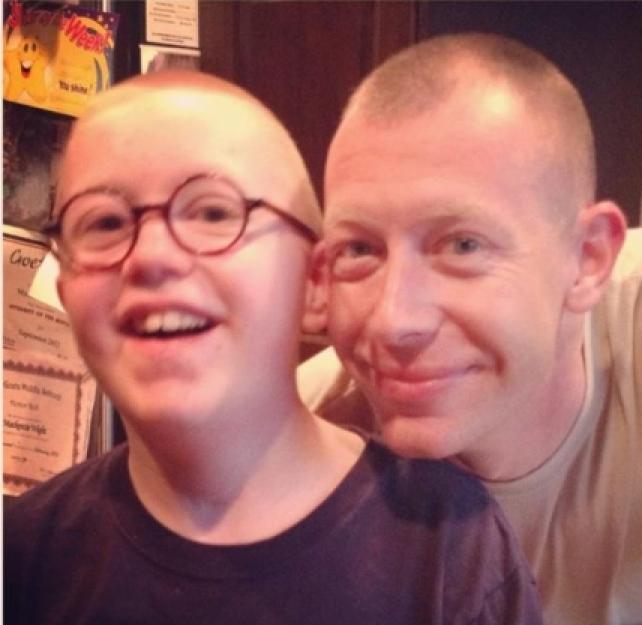
Army Staff Sgt. Aaron Wight talks about being deployed when his son sustained a severe brain injury, how the Army helped his family cope, and how his son inspires others.
For anyone, especially someone living with PTSD and TBI, having a new baby is both joyful and exhausting. Caregiver Cheryl Gansner talks about the challenges of having a new baby in the house.
Few people are more qualified to offer military caregivers advice and encouragement than others who have walked in their shoes. Hear advice and thoughts from TBI caregivers.