Use the filters to browse the information we have available or to narrow your search results for a specific audience (e.g. caregivers, military, children), a preferred type of content (e.g. videos, blogs, articles), or by topics of interest (e.g. family concerns, legal issues, symptoms).
Living alongside David Grant's TBI was a treatment-resistant case of PTSD. For over fifteen years, he lived with innumerable night terror events. The kitchen calendar counted the bad nights. A good month noted three or four bad nights. A tough month, like last November, came with nineteen night terror events. Last November was as bad as it gets. Life was unsustainable… until it wasn’t.
Brain injury anniversaries are complicated. Like an unseen gravitational force, my mind is drawn back to that day. But this year feels different. My anniversary is still many months away… but thoughts of it are already creeping in at unexpected times.
There is more to wellness than treating brain injury alone. I am a living, breathing, oftentimes thriving human being with a whole lot more than just a brain injury.
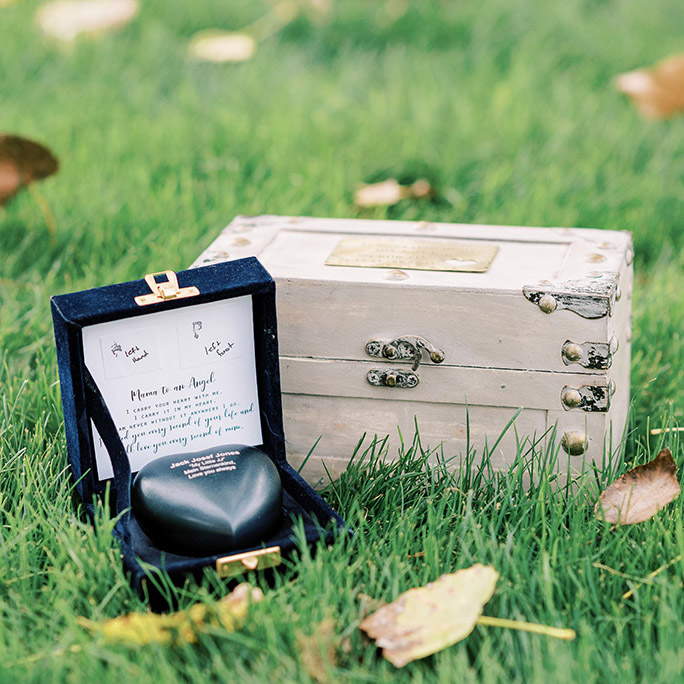
This month has been a whirlwind of pain, triggers, and generally not great behavior from both Russ and myself. Our eldest daughter, Elizabeth Shade-Ware, died unexpectedly in her sleep. Suffice it to say, I am a wreck...
Sometimes it feels like I am a single parent. That breaks my heart to say because my husband really is a fantastic parent as long as he’s not triggered or having a chronic pain flare-up.
“During pregnancy, a mother celebrates the journey with family and friends — think baby names, baby showers, nurseries, tiny clothes … smiles from strangers and proud hands on an ever-expanding belly. The journey of being pregnant is both personal and public. So, what should be one of the most magical experiences shared with family, friends, and colleagues becomes one of private emotional and physical trauma in a closed room, an experience that is then often not acknowledged nor spoken about. The mother returns home still looking pregnant, her hormones still acting as if she is pregnant, but her arms and heart are empty.”
September is Suicide Prevention Awareness Month. If you are military-connected then you know the 22-veterans-a-day average. You’ve seen the blue ribbons plastered everywhere on base/post. If you are a veteran or caregiver, you’ve seen similar posters at the VA. You’ve probably gone to an annual suicide prevention training or two. You know the signs, you know what to look for and what to do if you are worried about someone’s safety. But nothing can truly prepare you for when it happens.
I think what’s crucial to understand is that we are not our emotions. I read somewhere that if you visualize yourself standing behind a waterfall, you can watch your emotions, one by one, fall with the water. They come, they go, they wash over you, but they are not you.
I have been speaking with veterans and military family members for BrainLine’s Veteran Voices series. They tell us their stories in an attempt to help anyone who might be experiencing issues with PTSD/TBI. Working with BrainLine has also made me realize just how much trauma occurs both during military service and before.
While in the throes of dealing with symptoms from PTSD, my counselor suggested mindfulness and meditation, which I initially thought was a bunch of snake oil … something for hippies, monks, and weirdos. But then I started to learn about the science — and even a little history — and everything began to change; I literally started to breathe again.
I enjoy watching my husband cry. That sounds so much worse than what I really mean. He’s been on various medications for his PTSD some of which cause emotional blunting — not being able to laugh or cry when appropriate.
To be human is to grieve, and everyone grieves differently and in their own time. But there is a type of grief that many people experience that is less common, less talked about, but none the less real and painful. It’s called ambiguous grief or ambiguous loss.
It’s not a stretch to say that without my sife, Sarah, I never would have made it. While I can be overly dramatic — as she can attest — I need to get serious for a moment. No kidding around: the early years after my brain injury sucked. In fact, they were the worst years of my life.
In the past, Russ and I would celebrate across oceans and time zones, sometimes a half hour off. Yes, really. Afghanistan is nine-and-a-half hours ahead of the east coast, 10-and-a-half from Texas. It was wild trying to sync up schedules but I would never turn down a 3AM-my-time video chat. I am grateful we don’t have to contend with that any longer. But Russ being home hasn’t made the transition from 2021 to 2022 any easier.
My early year look-backs were filled with profound sadness, and a sense of loss so overwhelming that I felt smothered by it. Thankfully, that is no longer the case. It’s been long enough that I’ve all but forgotten who I was before my brain injury; that person no longer exists. The very fact that I’m no longer bothered by this is a sure sign that my soul is growing.
Last month, I marked a significant milestone in my life as I celebrated 30 years of sobriety. And, in what amounts to a “whoever would have thought it,” moment, being a sober person in recovery has made my brain injury journey easier. In fact, it literally saved my life.
As my 60th birthday approaches, the internal emotions are ramping up. Over the years, I’ve heard the saying that health is one of those things you never fully appreciate until it’s gone. While this is definitely true, most often it’s used in reference to physical health. But what happens when your mental health is compromised?
While in the military, service members are held to and expected to maintain high standards; outside of the military context, high standards are not held or maintained.
The guilt and shame that many service members experience related to the loss or injury of someone they served with are contrasted with the appreciation they have for life.