Use the filters to browse the information we have available or to narrow your search results for a specific audience (e.g. caregivers, military, children), a preferred type of content (e.g. videos, blogs, articles), or by topics of interest (e.g. family concerns, legal issues, symptoms).
Meditation may hold some benefits for those with TBI, but currently there is not enough research on the ability of those affected by TBI to meditate or the impact of meditation on those with TBI, and the few published studies report different results, so its effectiveness remains to be proven.
Acupuncture can be highly effective in treating a wide range symptoms associated with traumatic brain injuries, such as depression, anxiety, insomnia, and headaches.
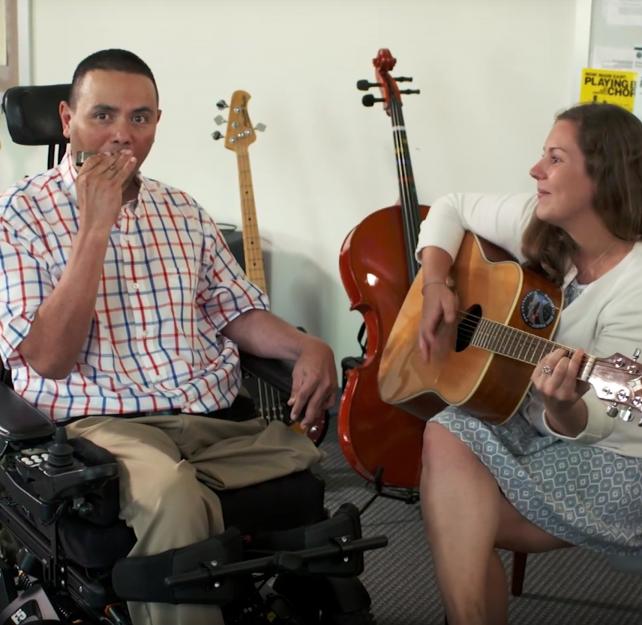
Music therapy is an evidence-based therapeutic application for the treatment of brain and psychological injuries such as TBI and PTSD. Substantial scientific evidence supports how and why music therapy works, but it also can be understood intuitively.
If your survivor is not yet ready for rehabilitation but no longer requires the special care of an acute hospital, your health insurer will no longer pay the hospital bill. In this situation, you have three options: pay the bill yourself if a bed is available, care for your patient at home or place your loved one in a long-term care facility, such as a nursing home, until they are ready for rehabilitation. Given that some nursing homes provide substandard care and most have little expertise in brain injury, this can be a chilling prospect.
Questions to ask about your loved one's rehabilitation program after a moderate to severe brain injury — questions about the rehab program and rehab team, the role of the family in rehab, addressing behavioral problems and cognitive impairments, paying bills, planning for discharge and daily life.
Selecting a rehab facility is a crucial decision. It should not be rushed. There are hundreds of rehabilitation programs. They vary considerably in the philosophy, quality, and variety of the services they offer.
In an ideal world, rehabilitation begins as soon as the survivor is medically stable. No patient should be kept in an acute hospital setting or a nursing home any longer than necessary. Combining the brain’s natural healing process with rehabilitative therapy is crucial to the success of one’s recovery.
All survivors of a serious brain injury acquire a mix of lifelong impairments, but through hard work, they can regain some abilities lost to their injuries. How is this possible?
Post-traumatic amnesia is a state of awareness survivors pass through on their way from a coma to full consciousness. Many survivors, when they begin rehabilitation, are going through post-traumatic amnesia.
The essential therapeutic and medical components of TRR programs that promote restoration of function, participation in meaningful activities and significant life roles, and improve life satisfaction and quality of life.
When a person sustains a brain injury, they and their family are thrust into a health care system that is unfamiliar and difficult to navigate. Too often, patients do not have access to the full continuum of treatment. This article addresses why that is so and ways to change it.
Approaches that bridge the basic neuroscience of neural-cognitive functioning with the practical realities of clinical rehabilitation are valuable for intervention development, potentially opening the way for therapies that target biological systems and synergistically augment the specific effects of training.
If you’re looking for a complementary health practitioner to help treat a medical problem, it is important to be as careful and thorough in your search as you are when looking for conventional care. Here are some tips to help you in your search.
A brain injury can affect just about everything — including the way you walk, talk, and think. That's why there are a number of treatments available that attempt to restore the parts of life that have been affected by a brain injury.
DVBIC's TBI Recovery Support Program ensures that service members and their family is supported and connected to appropriate resources as they progress through the entire continuum of care to recovery.