Use the filters to browse the information we have available or to narrow your search results for a specific audience (e.g. caregivers, military, children), a preferred type of content (e.g. videos, blogs, articles), or by topics of interest (e.g. family concerns, legal issues, symptoms).
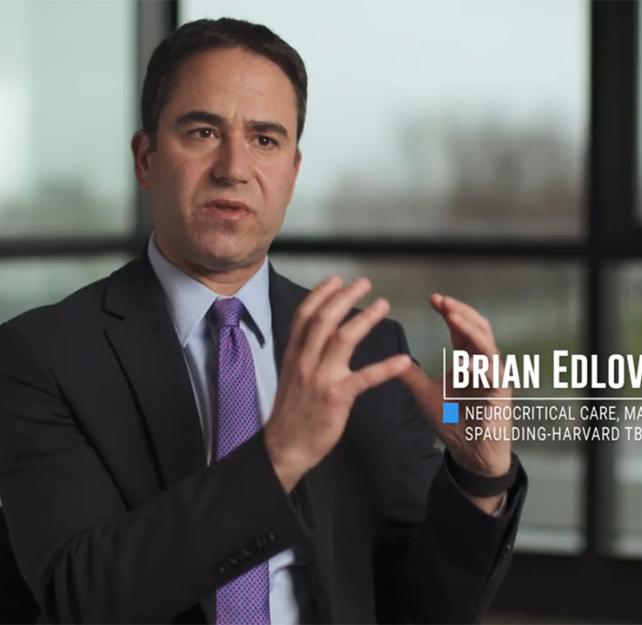
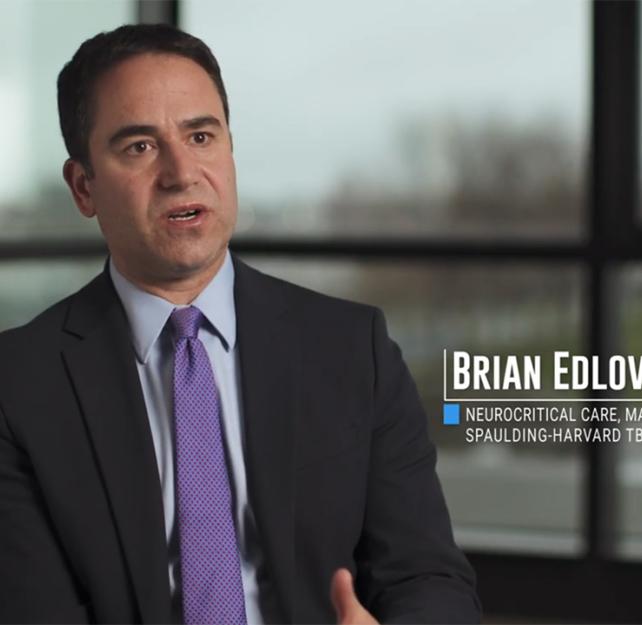
In this video, Brian Edlow, MD, explains how families and clinicians work together to make decisions about life‑sustaining treatment for people with disorders of consciousness.
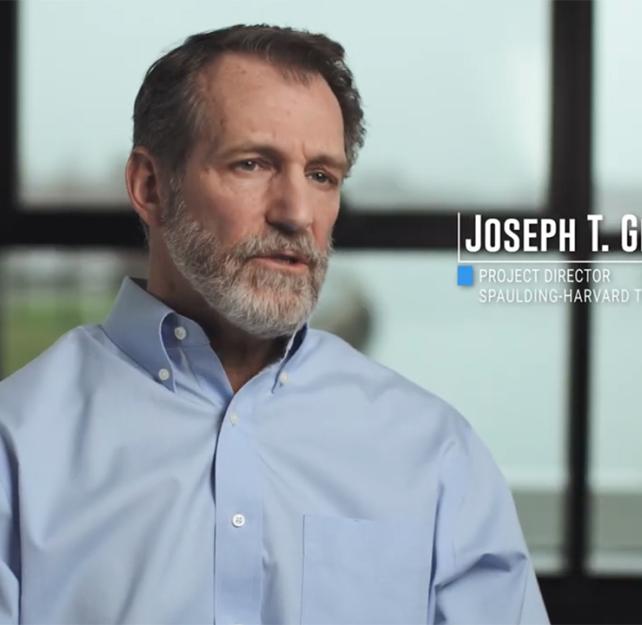
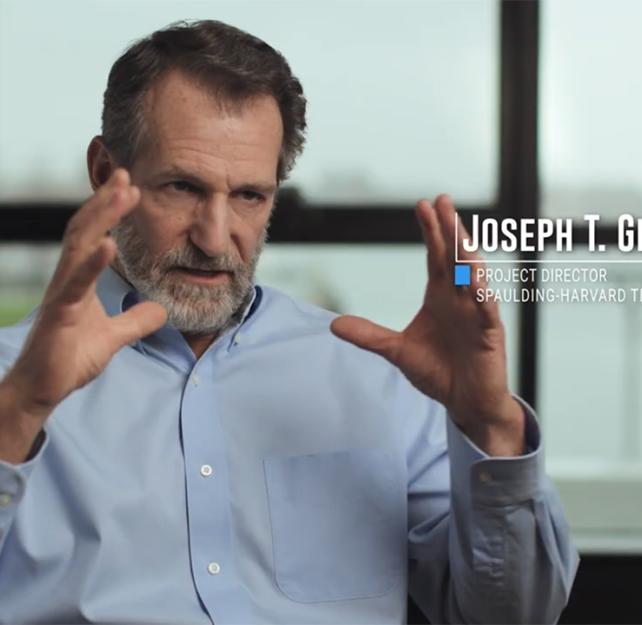
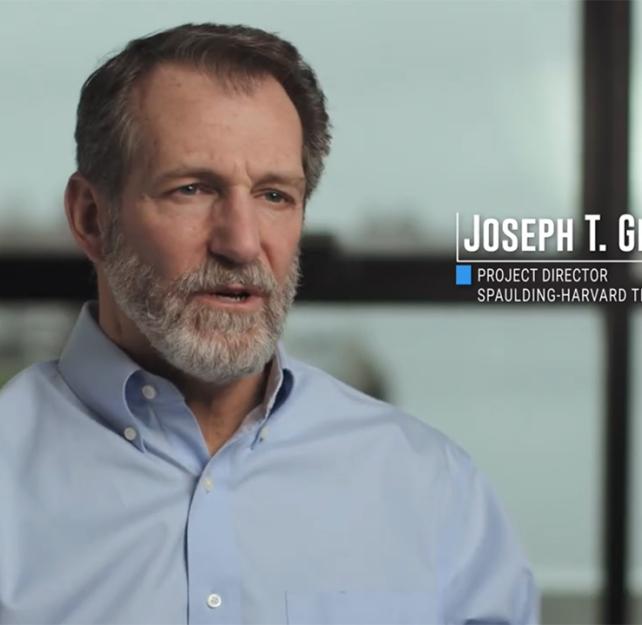
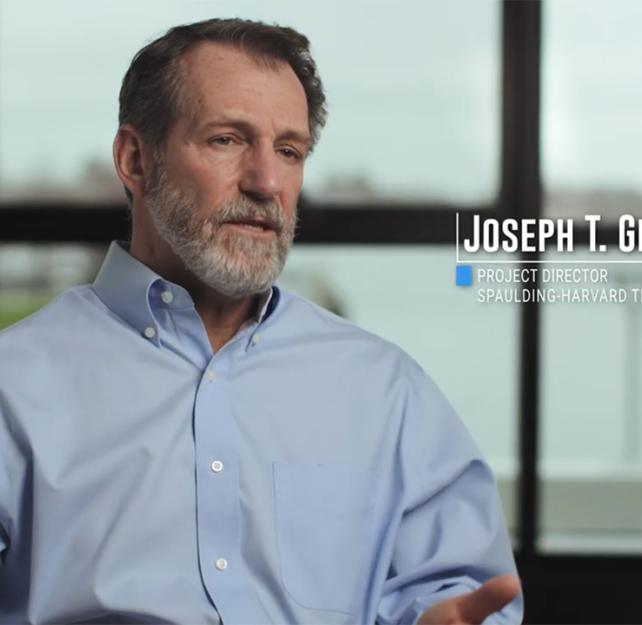
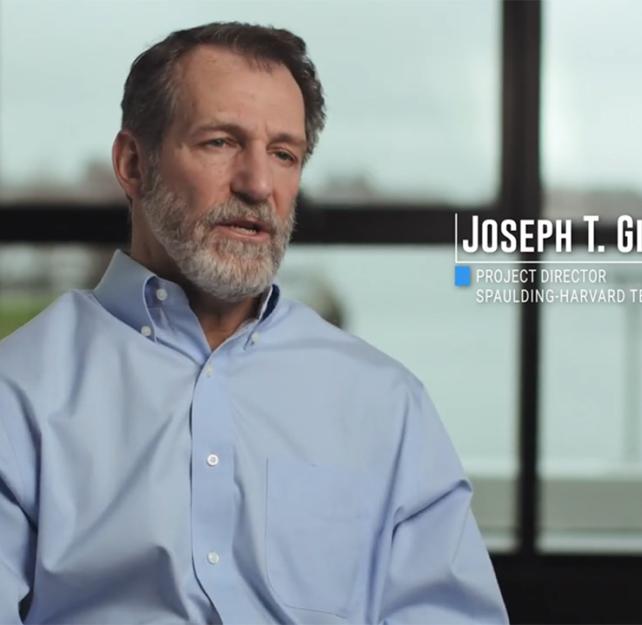
In this video, Joseph Giacino, PhD, challenges common misconceptions about recovery after severe brain injury and prolonged disorders of consciousness.
In this video, Brian Edlow, MD, discusses what current research can—and cannot—tell us about predicting recovery after severe traumatic brain injury (TBI).
In this video, Joseph Giacino, PhD, explains why integrated care across the ICU and rehabilitation settings is essential for improving outcomes for people with disorders of consciousness.
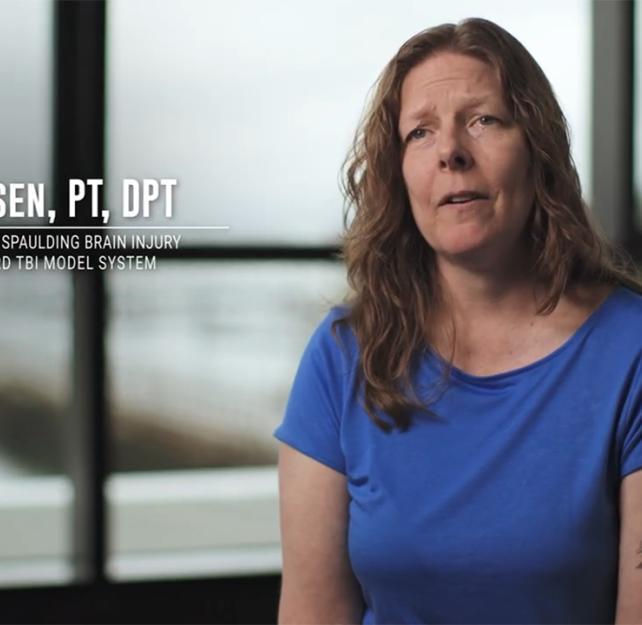
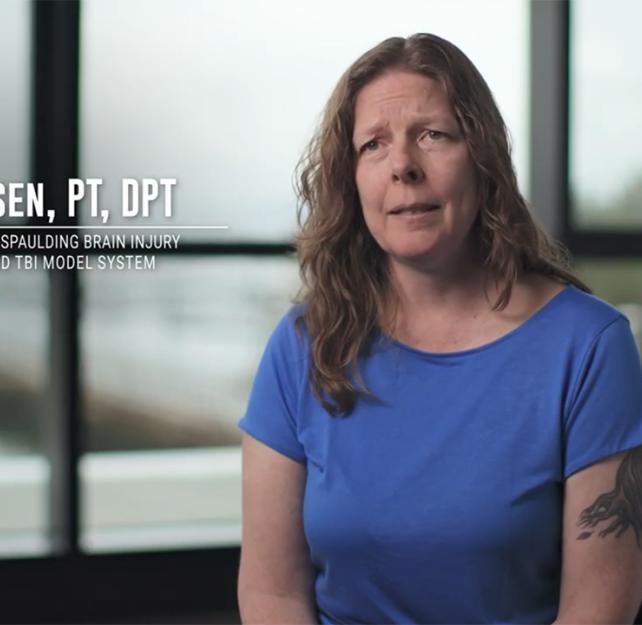
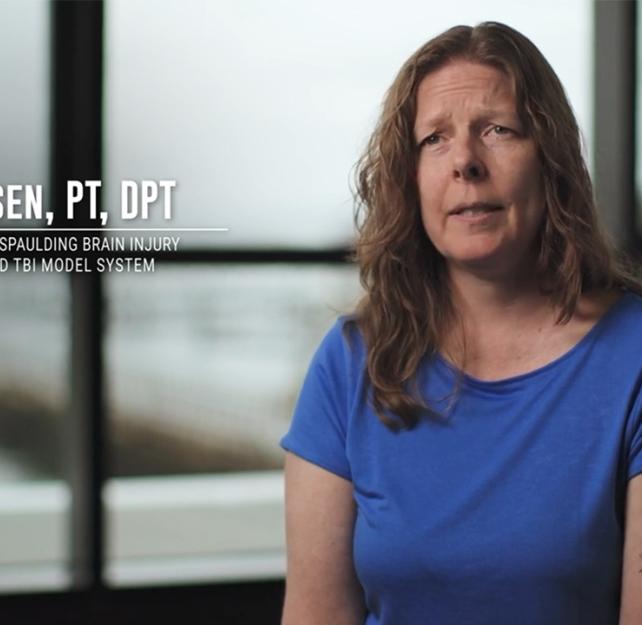
In this video, Beth Hansen, PT, DPT, explains how rehabilitation teams assess pain, stress, and tolerance during therapy for people with disorders of consciousness.
In this video, Beth Hansen, PT, DPT, explains how rehabilitation teams support communication as patients begin to emerge from a disorder of consciousness.
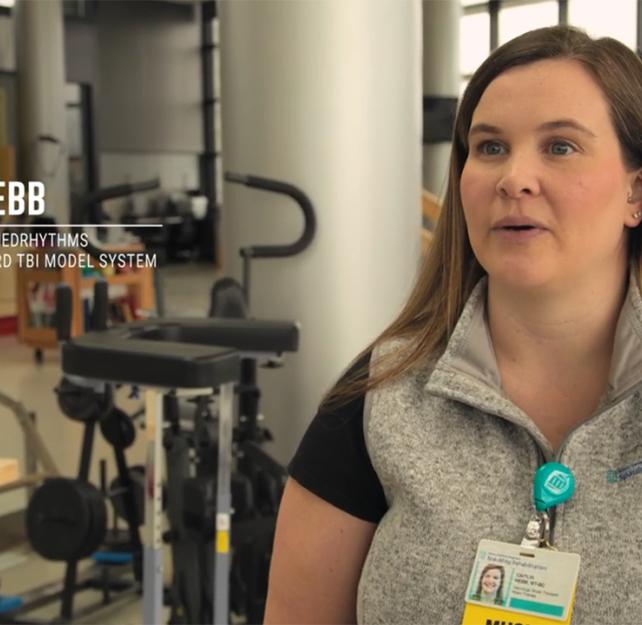
In this video, Caitlin Hebb, MT‑BC, explains how neurologic music therapy supports recovery for people with disorders of consciousness by stimulating arousal, awareness, speech, and movement.
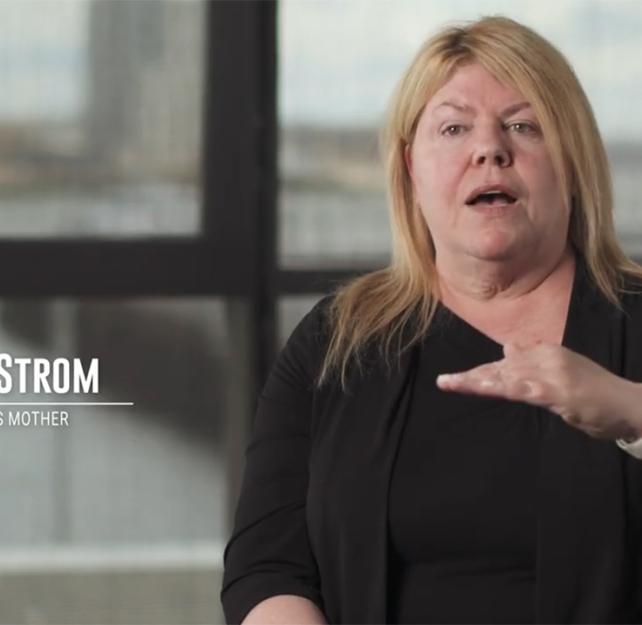
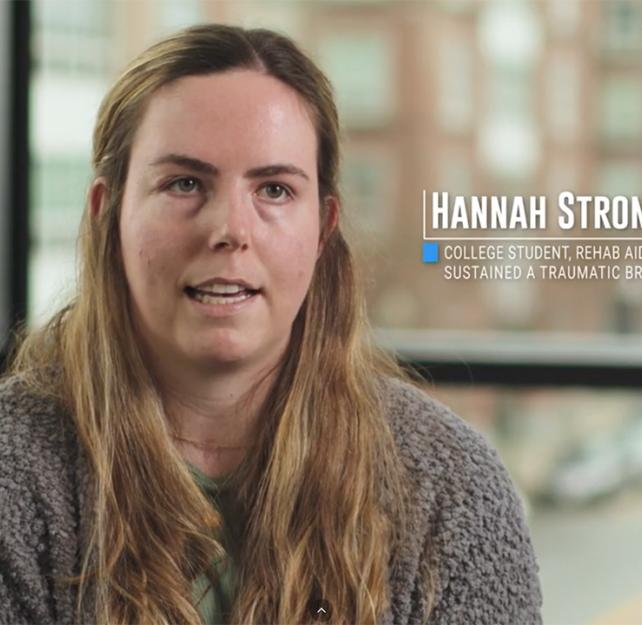
In this video, Gail Strom, mother of Hannah, shares her personal experience navigating the emotional ups and downs of a loved one’s recovery from a disorder of consciousness.
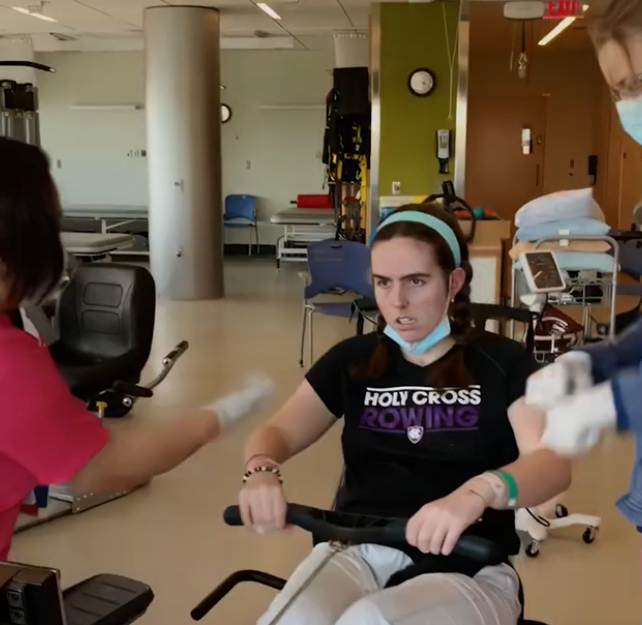
In this video, Joseph Giacino, PhD, explains how specialized inpatient rehabilitation helped uncover the cause of Hannah’s slow language recovery after a disorder of consciousness.
In this video, Joseph Giacino, PhD, explains why many people with disorders of consciousness struggle to access specialized inpatient rehabilitation—despite having significant potential for recovery.
In this video, Beth Hansen, PT, DPT, explains what families should look for when choosing an inpatient rehabilitation program for someone with a disorder of consciousness.
Recovering from Disorders of Consciousness follows the powerful true story of Hannah Strom, a young woman who survived a severe traumatic brain injury (TBI) and spent weeks in a disorder of consciousness. Through her journey — and the experiences of patients, families, and clinicians — this video explores how consciousness can slowly return, why early prognoses are often uncertain, and how specialized inpatient rehabilitation can change outcomes after severe brain injury.
There is more to wellness than treating brain injury alone. I am a living, breathing, oftentimes thriving human being with a whole lot more than just a brain injury.
U.S. Navy Ensign Timothy Bleigh clearly recalls when the bomb went off. The Mine-Resistant Ambush Protected (MRAP) tactical vehicle flipped several times through the air before it landed partly on its roof. Bleigh shares his story and reflects on how his difficult recovery, which included a Traumatic Brain Injury (TBI), influenced how he approaches patient care.
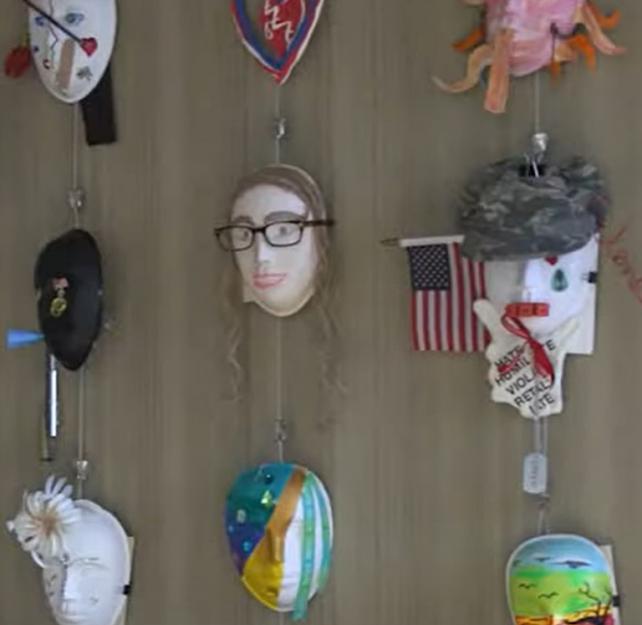
Showing the fronts and backs of masks made by veterans with PTSD and TBI, Art Therapist Stephanie Clark talks about how through the process of making, a veteran can process and better understand their traumas.
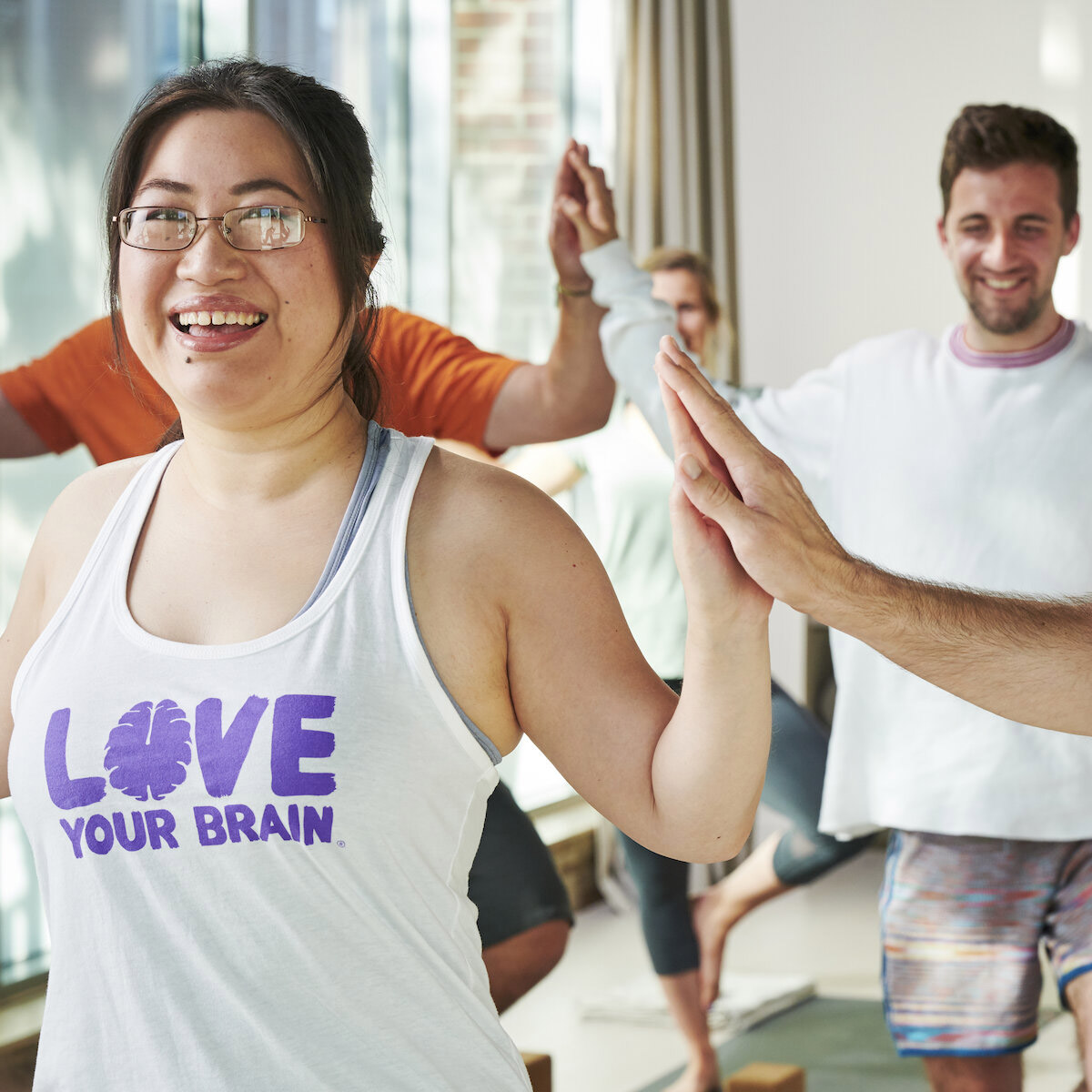
LoveYourBrain Retreats is a novel, free, five-day multimodal program designed to benefit people with traumatic brain injury (TBI) and their caregivers. This study showed the integration of mindfulness, gentle yoga, brain health nutrition, art therapy, and community is an effective rehabilitation model to improve quality of life and has significant potential for expanding access to complementary therapy after TBI.
Army veteran Victor Hurtado has had a very successful career as a musician, producer, and talent coach, but suffered from emotional challenges living with PTSD. It wasn’t until he met Holly that he began to find hope for greater happiness in his life.
A Field Operator in the Marines, Ashton Kroner downplayed her symptoms after sustaining traumatic brain injuries, which may have exacerbated them in the long term.
State-level resources and supports have a small but significant impact on outcomes following serious TBI. Better Long-Term Services and Supports increase community participation and life satisfaction.