Use the filters to browse the information we have available or to narrow your search results for a specific audience (e.g. caregivers, military, children), a preferred type of content (e.g. videos, blogs, articles), or by topics of interest (e.g. family concerns, legal issues, symptoms).
Bryan, who deployed to Iraq in 2009 as a psychologist in the Air Force started to view active-duty suicide as “death by a thousand paper cuts,” he says.
The COVID-19 pandemic shined a light on the deep need that people feel for human touch and connection in hospital settings. Having relatives peering through windows at their loved ones or unable to enter hospitals altogether exacerbated the lack of human intimacy that is all too common in health care settings.
Social isolation and loneliness are increasingly becoming societal problems, as they contribute to polarization and affect our physical health. Mental health professionals, community advocates and health-care providers have been raising the alarm about this impending crisis.
“Long COVID is an umbrella term for the many post-acute consequences that result from COVID-19. The more we learn, the more we see that COVID-19 can affect nearly every organ in the body — from the heart and brain to the lungs, kidneys, skin, and gastrointestinal (GI) tract. We are still learning, but we need to listen to our patients, validate their experiences, and treat their symptoms.”
Trauma can be a strange and often insidious beast. We can be traumatized by directly being impacted by an event like a violent physical attack, a rape, a natural disaster, or an experience in combat, but we can also be traumatized indirectly by caring for, hearing about, or witnessing the intense suffering of others. Both the direct and indirect impact of traumatic events can lead to post-traumatic stress disorder (PTSD).
Many people with disabilities use a service animal in order to fully participate in everyday life. Dogs can be trained to perform many important tasks to assist people with disabilities, such as providing stability for a person who has difficulty walking, picking up items for a person who uses a wheelchair, preventing a child with autism from wandering away, or alerting a person who has hearing loss when someone is approaching from behind.
“Open therapeutic discussion works. It’s like you’re in the woods, it’s pitch-black, there are noises and shadows … and it’s just you, alone, with your one beam of flashlight light bouncing around as you turn this way and that, fight or flight. It’s terrifying. It’s a lot less scary if you’ve got 20 buddies at your side, 20 flashlights that can easily illuminate the forest for what it is, yes, noises and shadows, but once revealed, not so frightening at all. So, all this listening, talking, and sharing made possible by gaming and streaming worked for me and there are a lot of people out there struggling in similar ways who can similarly heal."
Typical PTSD, a formal diagnosis in The Diagnostic and Statistical Manual of Mental Disorders (DSM-5-TR), is defined as a mental health condition that’s triggered by a terrifying event — either experienced or witnessed — such as a car crash, an earthquake, or a sexual assault. Complex PTSD, on the other hand, includes all the facets of a primary diagnosis of PTSD but is related to a series of traumatic events over time or one prolonged event. CPTSD is not yet a formal diagnosis in the DSM-5-TR.
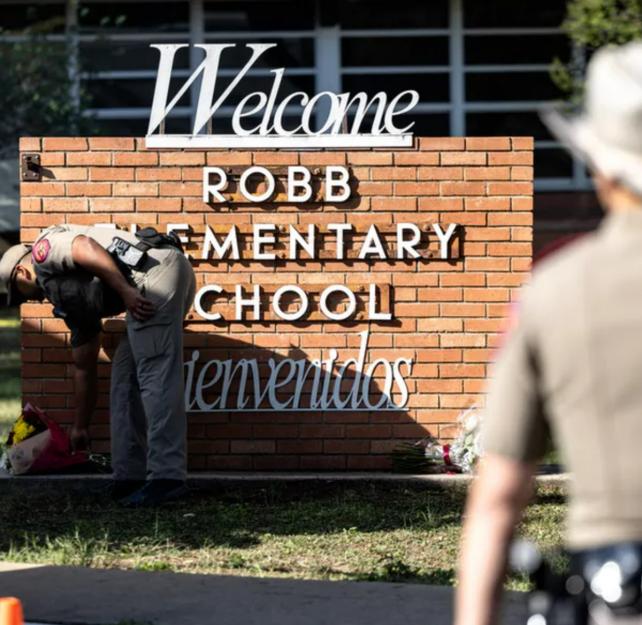
It is important to understand that no two people experience such horrific exposure in the same way. The extent of the trauma, stress or fear can vary. Survivors of a shooting may want to avoid the neighborhood where the shooting occurred or the context related to shooting, such as grocery stores, if the shooting happened at one. In the worst case, a survivor may develop post-traumatic stress disorder.
“When I meet people, post-injury who may be stuck in a dark place, who may think their lives are destroyed, I say it’s going to be hard to picture the future but start by dipping your toes into the waters of adaptive sports in a group setting. The sooner you get involved, the better. You don’t have a clue what you will accomplish in life.”
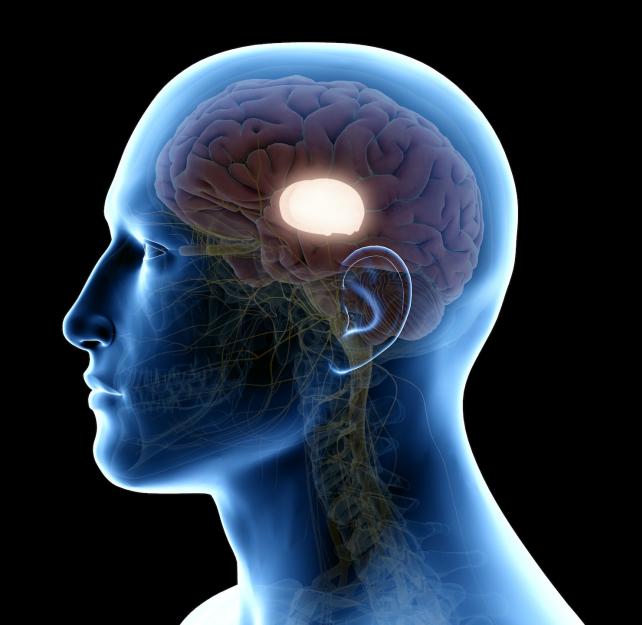
The human brain is a three-pound organ that remains largely an enigma. But most people have heard of the brain’s gray matter, which is needed for cognitive functions such as learning, remembering and reasoning.
The brain is the organ that orchestrates all the diverse functions and complex decisions that take place in biological systems. Despite its critical nature, it is equally as fragile: the neurons that make up the brain do not regenerate like many other cell types.
The National Military Family Association understands deeply that “military families serve, too,” alongside their service member or veteran parent or spouse.
Our Miiltary Kids recognizes children for being brave despite their parent’s deployment and all the challenges — large and small — that can come with a parent’s recovery from combat injuries.
Over the past two decades, researchers have gained a great deal of insight into the risks surrounding concussions – some of which has led to sweeping policy changes.
For accountants, it’s tax time; for teachers, it’s September. And for therapists, the busiest time of year is the holidays. Every therapist knows that the winter holiday season is rife with pain, angst and grief.