Use the filters to browse the information we have available or to narrow your search results for a specific audience (e.g. caregivers, military, children), a preferred type of content (e.g. videos, blogs, articles), or by topics of interest (e.g. family concerns, legal issues, symptoms).
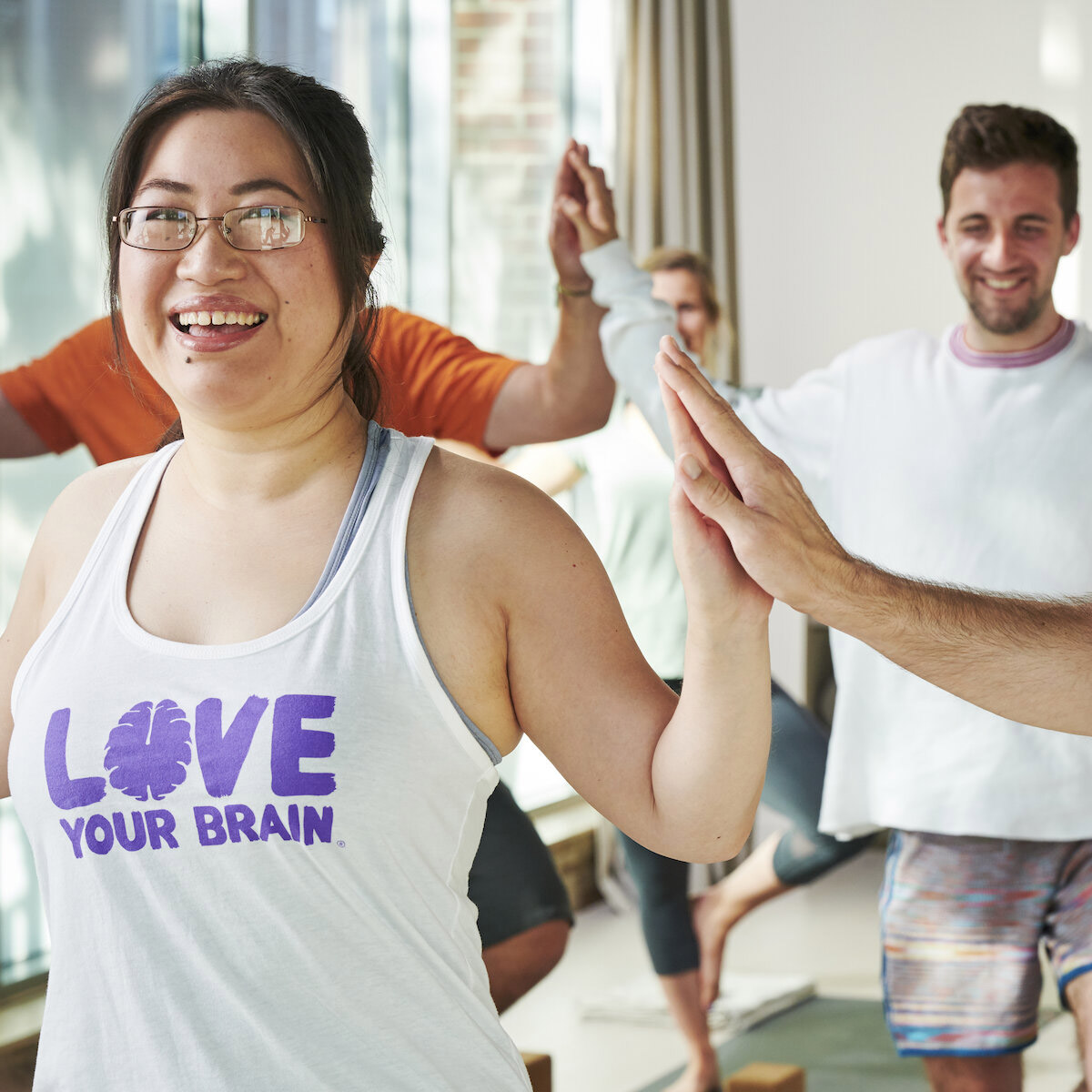
LoveYourBrain Retreats is a novel, free, five-day multimodal program designed to benefit people with traumatic brain injury (TBI) and their caregivers. This study showed the integration of mindfulness, gentle yoga, brain health nutrition, art therapy, and community is an effective rehabilitation model to improve quality of life and has significant potential for expanding access to complementary therapy after TBI.
After fighters' cessation of RHI exposure, cognitive function and brain thickness measures may stabilize and blood NfL levels may decline. This study could be a starting point to identify potential predictors of individuals who are at a higher risk of RHI-related long-term neurologic conditions.
What is the natural history of insomnia in the 12 months after traumatic brain injury (TBI)? In the analysis of over 2,000 adults from a large cohort study, insomnia was common during the 12 months after TBI and should be assessed early in recovery.
A study designed to measure exosomal and plasma levels of candidate blood biomarkers in veterans with history of mild traumatic brain injury (mTBI) and test their relationship with chronic symptoms.
A study examining the effect of the immune receptor known as Toll-like Receptor 4, or TLR4, on how memory functions in both the normal and injured brain has found vastly different cellular pathways contribute to the receptor's effects on excitability in the uninjured and injured brain.
Traumatic brain injury (TBI) can have lifelong and dynamic effects on health and wellbeing. Research on the longterm consequences emphasises that, for many patients, TBI should be conceptualised as a chronic health condition. Evidence suggests that functional outcomes after TBI can show improvement or deterioration up to two decades after injury, and rates of all-cause mortality remain elevated for many years. Furthermore, TBI represents a risk factor for a variety of neurological illnesses, including epilepsy, stroke, and neurodegenerative disease. With respect to neurodegeneration after TBI, post-mortem studies on the long-term neuropathology after injury have identified complex persisting and evolving abnormalities best described as polypathology, which includes chronic traumatic encephalopathy. Despite growing awareness of the lifelong consequences of TBI, substantial gaps in research exist. Improvements are therefore needed in understanding chronic pathologies and their implications for survivors of TBI, which could inform long-term health management in this sizeable patient population.
Study finds presence of abnormal saccadic eye movements, diminished accuracy of primary saccadic horizontal eye movement, and a widespread slower reaction to both visual and auditory stimuli.
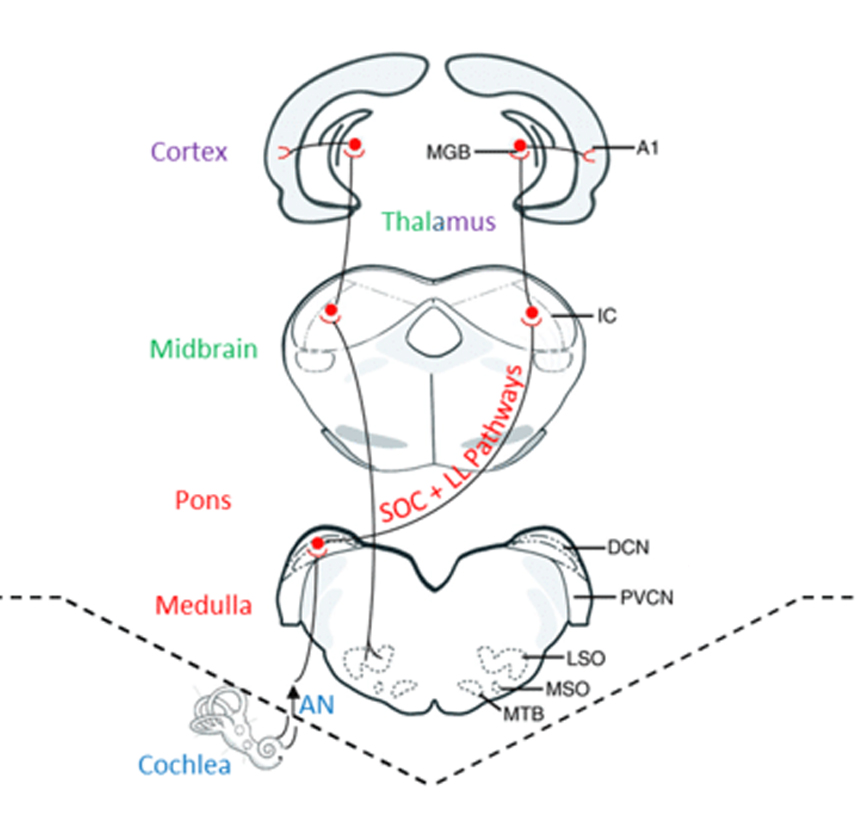
Research findings suggest mild blast trauma suffered by military personnel affects portions of the auditory system that have not been extensively studied after injuries occur, and this impairment might be diagnosed using well-established testing methods.
Age, gender, time since injury, independence in activities of daily activities, depression, and self-esteem all played a role in issues of sexuality following a brain injury.