Use the filters to browse the information we have available or to narrow your search results for a specific audience (e.g. caregivers, military, children), a preferred type of content (e.g. videos, blogs, articles), or by topics of interest (e.g. family concerns, legal issues, symptoms).
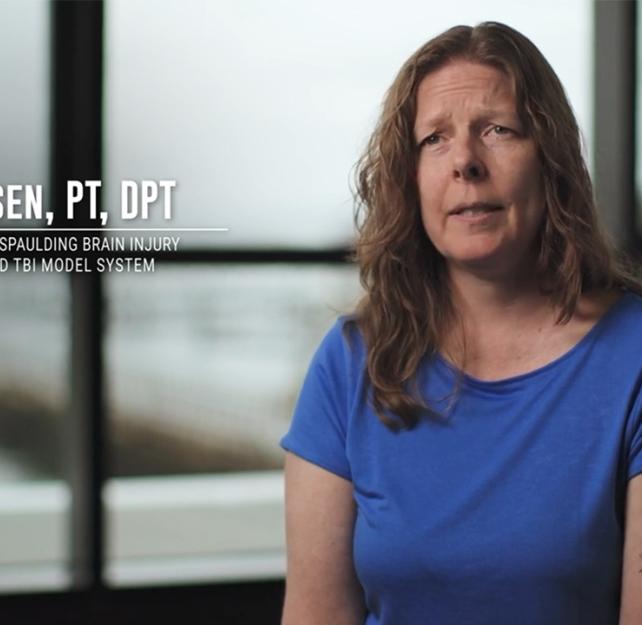
In this video, Beth Hansen, PT, DPT, explains what families should look for when choosing an inpatient rehabilitation program for someone with a disorder of consciousness.
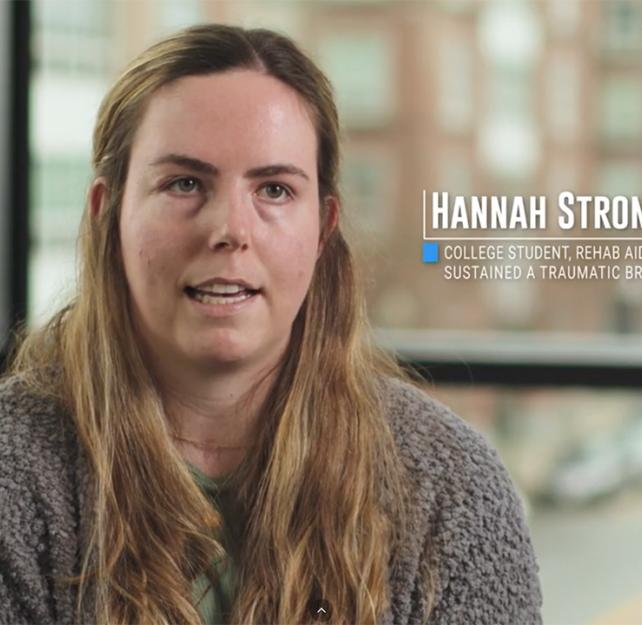
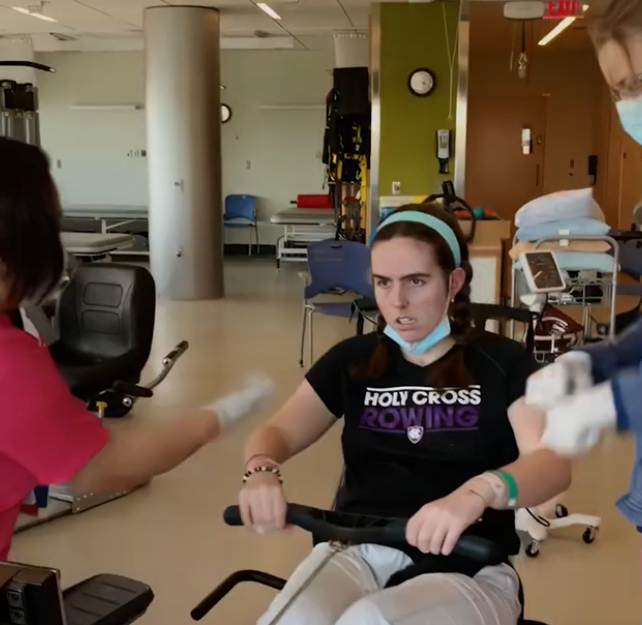
Recovering from Disorders of Consciousness follows the powerful true story of Hannah Strom, a young woman who survived a severe traumatic brain injury (TBI) and spent weeks in a disorder of consciousness. Through her journey — and the experiences of patients, families, and clinicians — this video explores how consciousness can slowly return, why early prognoses are often uncertain, and how specialized inpatient rehabilitation can change outcomes after severe brain injury.
What is neurofatigue? How does it affect people with brain injury (TBI)? Find out what it is, what it feels like, and what you can do to help mitigate symptoms and start to feel better.
Creating boundaries can feel awkward or wrong when you first start setting them. You might even get pushback if you haven’t done it before. But don’t stop.
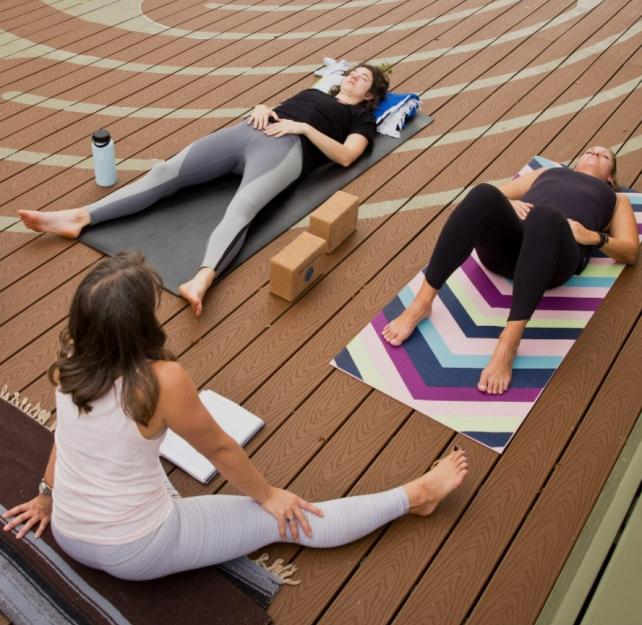
LoveYourBrain Retreats is a novel, free, five-day multimodal program designed to benefit people with traumatic brain injury (TBI) and their caregivers. This study showed the integration of mindfulness, gentle yoga, brain health nutrition, art therapy, and community is an effective rehabilitation model to improve quality of life and has significant potential for expanding access to complementary therapy after TBI.
After fighters' cessation of RHI exposure, cognitive function and brain thickness measures may stabilize and blood NfL levels may decline. This study could be a starting point to identify potential predictors of individuals who are at a higher risk of RHI-related long-term neurologic conditions.
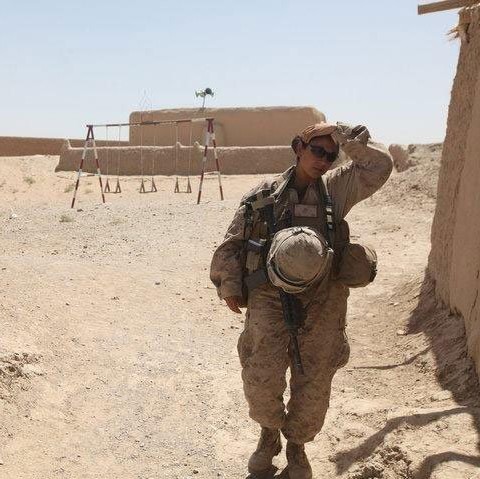
A Field Operator in the Marines, Ashton Kroner downplayed her symptoms after sustaining traumatic brain injuries, which may have exacerbated them in the long term.
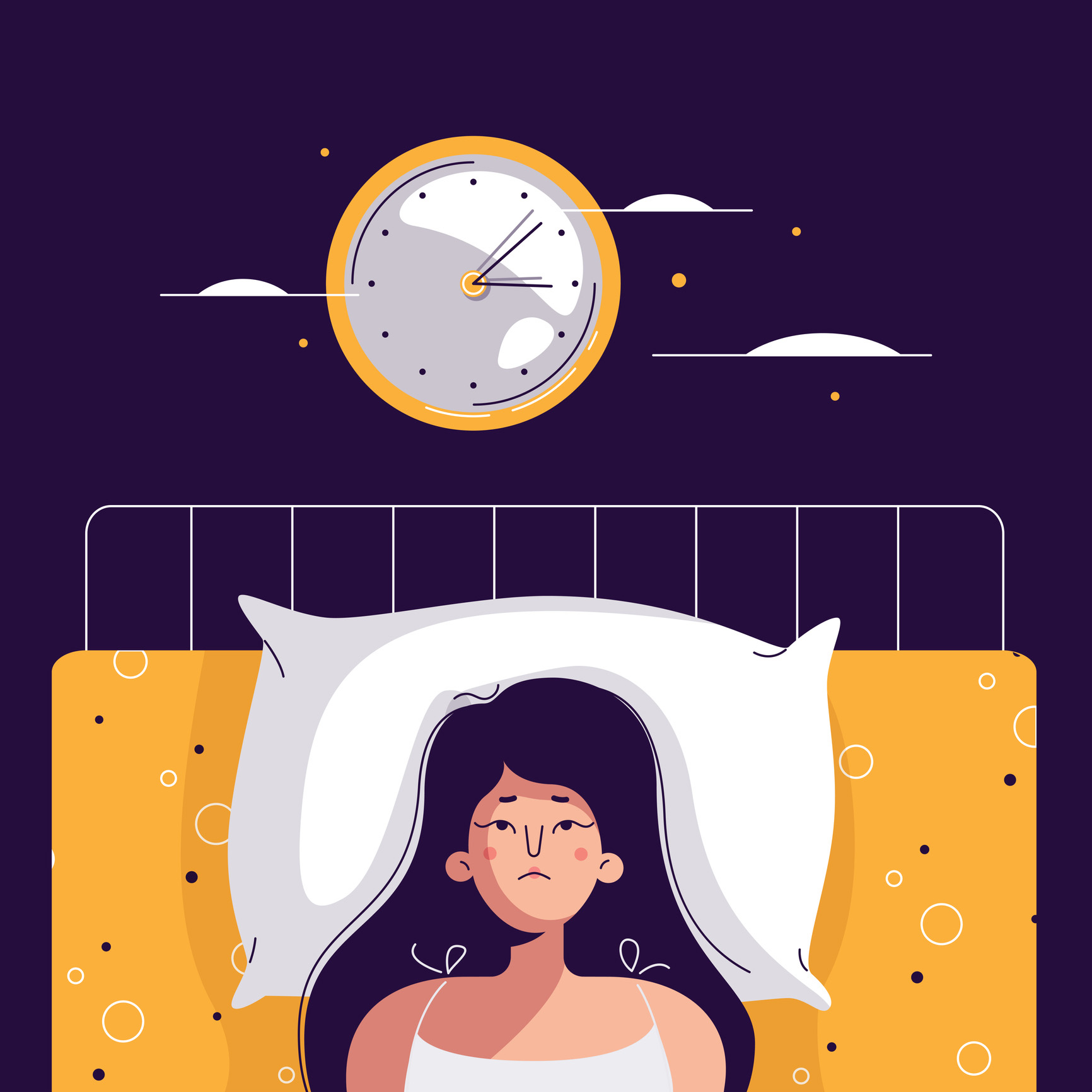
What is the natural history of insomnia in the 12 months after traumatic brain injury (TBI)? In the analysis of over 2,000 adults from a large cohort study, insomnia was common during the 12 months after TBI and should be assessed early in recovery.
This training is designed for anyone interested in learning about how the brain operates, what happens when it’s injured, and how yoga and meditation can be used for healing.
Being organized and having a routine makes each day smoother for Natalie Vines who has TBI and PTSD and for her caregiver husband and fellow vet, Brian Vines who also has PTSD.
Many non-profits have helped Brian Vines, a military veteran with PTSD and fulltime caregiver for his veteran wife with TBI and PTSD, over the last decade.
Natalie Vines—who sustained several TBIs in combat and who has PTSD—found great strength from attending a two-week immersive PTSD program through the Wounded Warrior Project.
Genevieve Chase accomplishes everything she attempts. She made master sergeant in 15 years in the Army reserves... she was inducted into the Army Women’s Hall of Fame. In the military, she learned Pashto and was an intelligence soldier in Afghanistan. But, like a lot of military women, one dream eludes her: She hasn’t been able to get pregnant.
The jury is still out on the exact ways that repeated blast injuries affect the brain. Some believe that the blast waves travel through the organs, producing a change in the gray-white matter of the brain. Others believe that blast-related injuries produce a unique pathology while others still think that the pathological signals from these injuries result in behavioral disturbance. But all researchers seem to agree that repeated blast-related injuries affect a person’s brain in the short-term as well as in the long-term with the risk of neurodegenerative disease.
Telling your loved one with PTSD that you cherish them, you care about them, and that you will help them if they will let you is a powerful first step toward getting that person needed treatment. You can’t take on someone else’s suffering—unproductive, anyway—but you can steer them toward the resources and providers who can help them.
Researchers and doctors are learning more about how blast injuries, especially if repetitive and sustained close together, can affect the brain far more significantly than a singular blow to the head as from football, boxing, or a car crash. When treating veterans and service members, clinicians in the Home Base program start by taking an in-depth TBI history starting from childhood to the present. The more they understand the mechanism, frequency, and interval between any sustained injuries, the more pointed their treatment can be.
Dr. Iaccarino shares how suffering a spine injury as a teenager sparked her passion for helping others with brain injury using neurological rehabilitation and recovery, especially veterans and military service members.
Dr. Balbir shares how the Wounded Warrior Project's Independence Program supports and provides additional wrap-around services for veterans after they transition home.
Dr. Ann McKee, Director of the VA-BU-CLF Brain Bank, explains what CTE is, what causes it, how it spreads, its symptoms, and how the disease is diagnosed.