Use the filters to browse the information we have available or to narrow your search results for a specific audience (e.g. caregivers, military, children), a preferred type of content (e.g. videos, blogs, articles), or by topics of interest (e.g. family concerns, legal issues, symptoms).
A surprising thing happened when researchers began exploring whether early-life stress compounds the effects of a childhood head injury on health and behavior later in life: In an animal study, stress changed the activation level of many more genes in the brain than were changed by a bump to the head.
In this case series of 152 contact sport athletes younger than 30 years at the time of death, chronic traumatic encephalopathy (CTE) was found in 63 (41.4%), with nearly all having mild CTE (stages I and II).
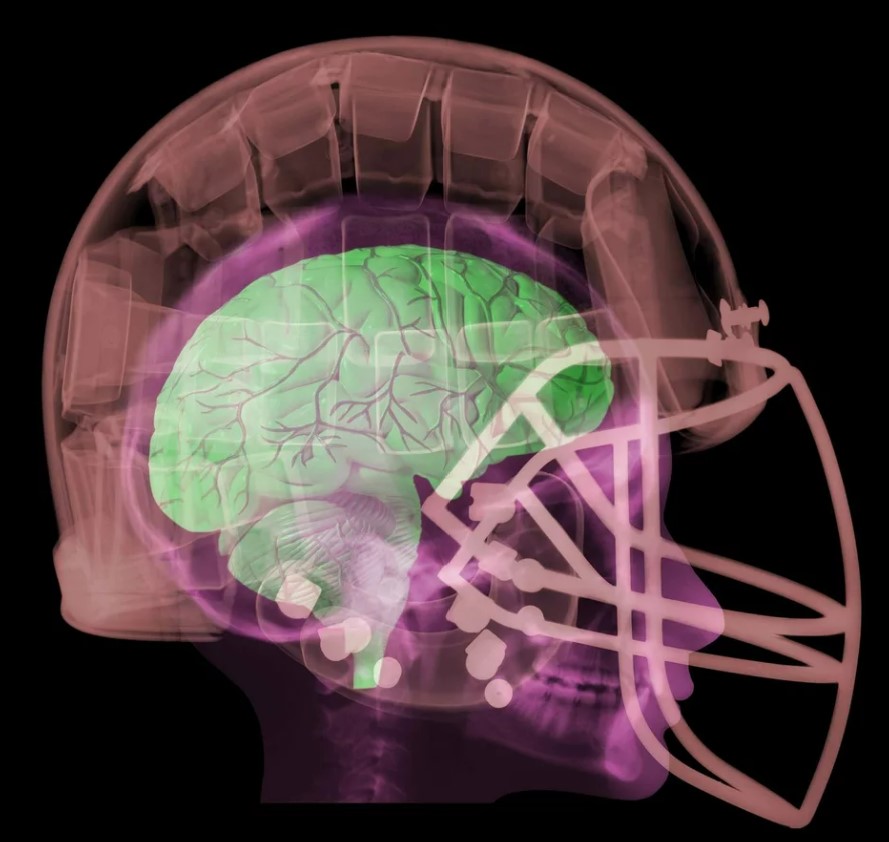
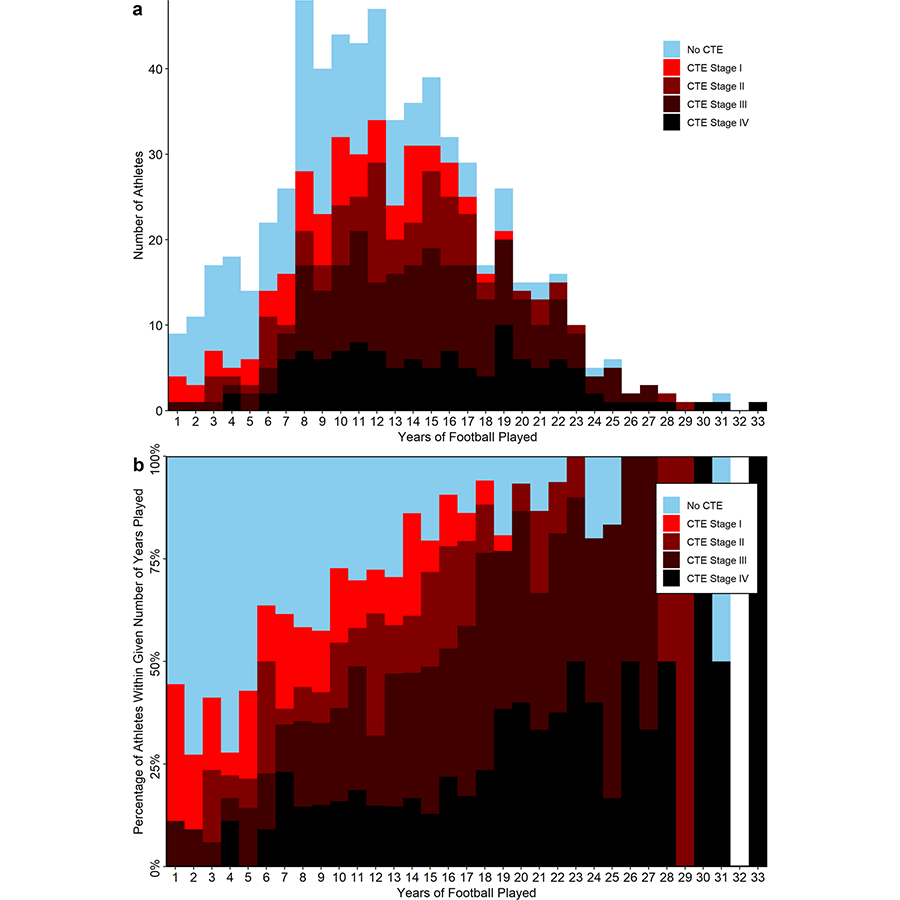
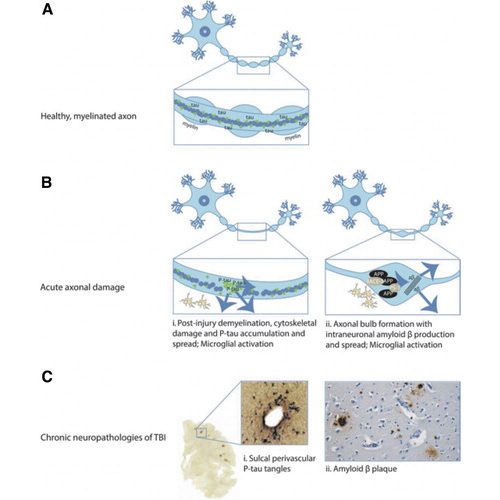
Chronic traumatic encephalopathy (CTE) is a neurodegenerative tauopathy associated with repetitive head impacts. These findings implicate cumulative head impact intensity in CTE pathogenesis.
Chronic traumatic encephalopathy (CTE) is a neurodegenerative disease associated with a history of repetitive head impacts (RHI). To better understand the strength of evidence underlying the possible causal relationship between RHI and CTE, we examined the medical literature through the Bradford Hill criteria for causation.
Female athletes are more susceptible to sport-related concussions (SRCs) and experience worse outcomes compared with male athletes. Although numerous studies on SRC have compared the outcomes of concussions in male and female athletes after injury, research pertaining to why female athletes have worse outcomes is limited.
A study involving more than 1,500 found that an earlier return to school benefited children ages 8 to 18, who had less severe symptoms two weeks after their concussion compared with kids who stayed home longer.
Experiencing three or more concussions is linked with worsened brain function in later life, according to major new research. The study – the largest of its kind - also found having just one moderate-to-severe concussion, or traumatic brain injury (TBI), can have a long-term impact on brain function, including memory.
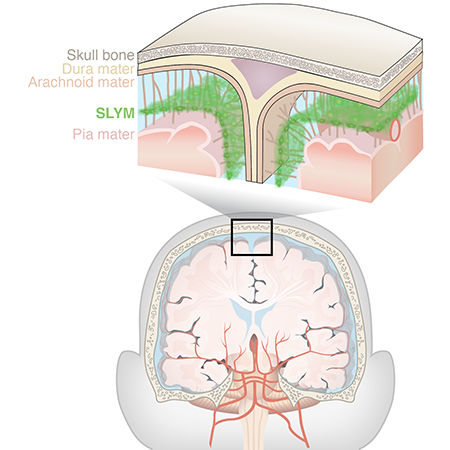
The traditional view is that the brain is surrounded by three layers, the dura, arachnoid, and pia mater. Møllgård et al. found a fourth meningeal layer called the subarachnoid lymphatic-like membrane (SLYM). SLYM is immunophenotypically distinct from the other meningeal layers in the human and mouse brain and represents a tight barrier for solutes of more than 3 kilodaltons, effectively subdividing the subarachnoid space into two different compartments. SLYM is the host for a large population of myeloid cells, the number of which increases in response to inflammation and aging, so this layer represents an innate immune niche ideally positioned to surveil the cerebrospinal fluid.
LoveYourBrain Retreats is a novel, free, five-day multimodal program designed to benefit people with traumatic brain injury (TBI) and their caregivers. This study showed the integration of mindfulness, gentle yoga, brain health nutrition, art therapy, and community is an effective rehabilitation model to improve quality of life and has significant potential for expanding access to complementary therapy after TBI.
Survivors of abuse and trauma are vastly more likely than other people to develop alcohol use disorder (AUD); according to some estimates, as many as three-quarters of people with post-traumatic stress disorder (PTSD) report drinking problems. Now, Scripps Research scientists have identified a class of drugs that might break this link.
Symptoms of mental disorders are common, are underrecognized, and contribute to worse outcomes after traumatic brain injury (TBI). Post-TBI, prevalence of anxiety disorders and prevalence of posttraumatic stress disorder (PTSD) are comparable with that of depression, but evidence-based treatment guidelines are lacking. The investigators examined psychotropic medication use and psychotherapy patterns among individuals diagnosed with anxiety disorders and PTSD post-TBI.
After fighters' cessation of RHI exposure, cognitive function and brain thickness measures may stabilize and blood NfL levels may decline. This study could be a starting point to identify potential predictors of individuals who are at a higher risk of RHI-related long-term neurologic conditions.
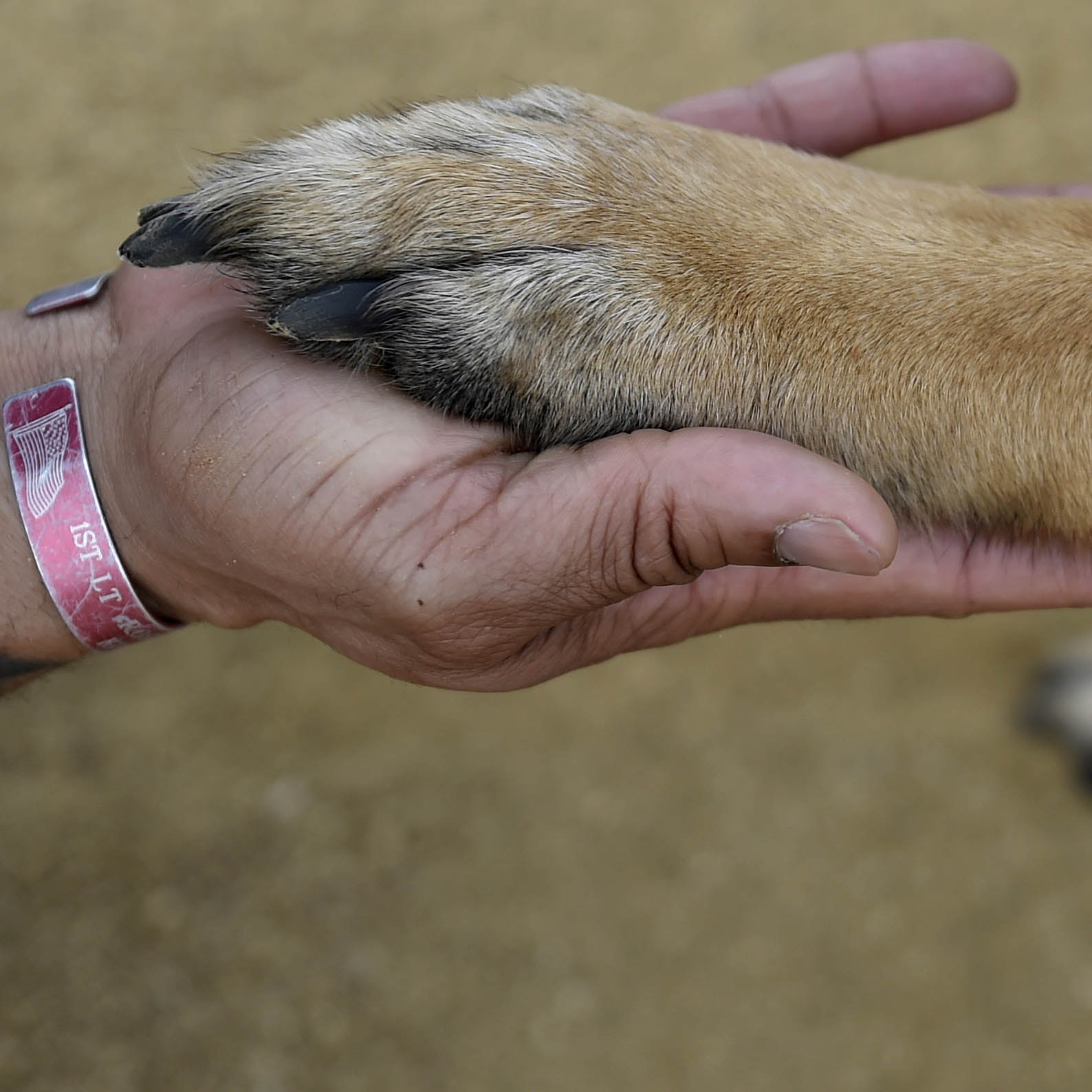
Meta-analysis (9 articles) revealed that partnership with an assistance dog had a clinically meaningful, significant, and large effect on PTSD severity scores. Increasingly prevalent research on assistance dogs for veterans with PTSD provides support for the impact of this complementary and integrative health intervention on PTSD symptom severity, and signs of meaningful improvements in adjacent domains including mental and social health.
The serotonin hypothesis of depression is still influential. Our comprehensive review of the major strands of research on serotonin shows there is no convincing evidence that depression is associated with, or caused by, lower serotonin concentrations or activity.
Ideally, trigger warnings allow individuals who have experienced trauma to be forewarned about material that may elicit unwanted memories of past traumatic events. However, some have hypothesized that trigger warnings have more costs than benefits, even for those with relevant traumas.
Adults who have suffered childhood trauma exhibit a higher degree of somatization (i.e., mental suffering expressed through physical complaints that may lead them to consulting a physician). A mother's trauma impacts the mother-child relationship.
State-level resources and supports have a small but significant impact on outcomes following serious TBI. Better Long-Term Services and Supports increase community participation and life satisfaction.
A new study published in Neurology dispels the notion that "mild" concussions have no lasting impact on mental skills like thinking, remembering, and learning. Poor cognitive outcomes are common 1 year after injury.
What is the natural history of insomnia in the 12 months after traumatic brain injury (TBI)? In the analysis of over 2,000 adults from a large cohort study, insomnia was common during the 12 months after TBI and should be assessed early in recovery.
Due to its relatively brief course of treatment, written exposure therapy may be a more efficient method in reducing PTSD symptoms among U.S. military members, according to a randomized clinical trial published in JAMA Network Open.
Is concussion and/or mild traumatic brain injury (TBI) associated with a higher risk of suicide? This systematic review and meta-analysis found a 2-fold higher risk of subsequent suicide among more than 700 000 patients diagnosed with concussion and/or mild TBI, compared with more than 6.2 million individuals who had not been so diagnosed. Experiencing concussion and/or mild TBI was also associated with a higher risk of suicide attempt and suicidal ideation. These results suggest that experiencing concussion and/or mild TBI is associated with an increased risk of suicide.