Use the filters to browse the information we have available or to narrow your search results for a specific audience (e.g. caregivers, military, children), a preferred type of content (e.g. videos, blogs, articles), or by topics of interest (e.g. family concerns, legal issues, symptoms).
I have a streaming service subscription. Unlike the popular streaming services so many of us are familiar with, the rules for this service are different: The terms of agreement are lifelong, and there is no opportunity to cancel. And this streaming service allows new content based entirely on my previous viewing habits.
The group rushed down the halls and stairways as a growing trail of people followed. All searched for a path to safety. The security at the Pentagon, meant to keep enemies from breaching its perimeter, had trapped them within the fortified walls.
The Insight segment focuses on the current events in Afghanistan, how they're impacting those who have served, and some potential ways to address how we feel about it.
The news about the United States withdrawing military forces from Afghanistan is hard to stomach. I am angry. I am sad. And I am worried. Worried about the people left there under the Taliban regime. Worried about the possible backlash to the Muslim community here in the United States. Worried about the troops still there working with humanitarian aid. Worried about the veterans and their families who sacrificed so much. Decades of work, deployments, injuries, and death for seemingly nothing.
Duane France has a conversation with Layla Hernandez, Behavioral Health Manager for Silver Key Senior Services. In the Insight Segment, Duane looks at former service members who might be overlooked when it comes to mental health.
Sir, I do not request an apology, explanation, or acknowledgment of my letter. As a lecturer at Texas A&M who advises future leaders, I wrote this to say that I mattered then, and I matter now. I did not deserve to be relegated to a second-class soldier.
This week Duane France explores the paradoxes service members face, a conversation with Eli Varney, combat veteran and mental health counselor and the resource of the week: Onward to Opportunity.
Duane France talks with Kate Hatten, Executive Director of The Homefront Military Network, highlights the resource of the week, CASA of the Pikes Peak region.
Duane France talks with Charlton Clarke, a licensed professional therapist and co-clinical director at the Family Care Center. Plus the reasons why service members avoid therapy and the resource segment highlighting Project Sanctuary.
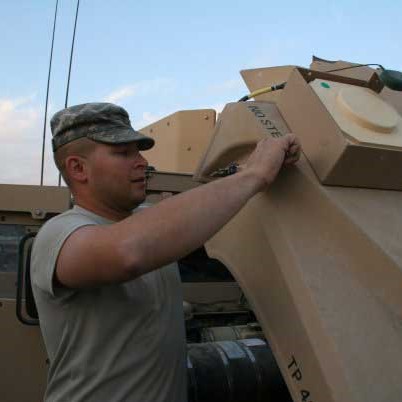
I stared through a sand-crusted windshield. It was more of a film, wiped clear along the path of the wiper blades. A dirty blonde desert haze, matching the Humvee’s paint—not that weird orange-tinged tone oddly clinging to some of our vehicles.
This week on Inside the Military Mind, your host Duane France interviews Molly Wingate, founder and executive director of Poetry Heals. Plus, information on Angels of America's fallen and more on Inside the Military Mind, presented by Family Care Center.
You may think you know about Veteran Mental Health: PTSD, TBI, depression, anxiety, all of the bad and broken stuff. That kind of thing happens, but it's not what veteran mental health is all about.
...“hope for the best, plan for the worst.” Eventually, the “hope” part fades away, and they get into the habit of planning for the worst. Then they simply expect the worse to happen, especially as it has happened frequently in the past.
It can be awkward or uncomfortable for veterans to accept or acknowledge personal compliments, which can possibly speak to their self-esteem and self-worth. Resolving the Taking Credit paradox can improve self-worth and make post-military life much more pleasant.
Veterans don’t seem to understand that some of the skills that they developed in the military are easily transferrable. Networking seems overwhelming and daunting…
They say that hindsight is always 20-20…that we understand the ramifications of our behavior only from the perspective of looking back on that behavior.
Service Members and Veterans can demonstrate their genuine concern for others by being aggressive or mean, either to help improve others or to protect others from the veteran’s own pain.
Service members and veterans are experts at calculating and mitigating risks in the military but engage in high-risk behaviors outside of the military environment
In the military, risk and danger are part of the obstacles to overcome; many veterans, however, see the world as an unsafe place that they need to protect against once they leave the military.