Use the filters to browse the information we have available or to narrow your search results for a specific audience (e.g. caregivers, military, children), a preferred type of content (e.g. videos, blogs, articles), or by topics of interest (e.g. family concerns, legal issues, symptoms).
Almost 12 years ago my life changed forever as I joined the brain injury club, a club that no one ever expects — or wants — to be part of. And early on, the phrase “recovery is lifelong” completely and totally annoyed me. I had always been and remain a classic Type A personality. So, it comes as no surprise that I wanted no part of the “recovery is lifelong” model of living out the rest of my life. My plan was to get over my brain injury and move on.
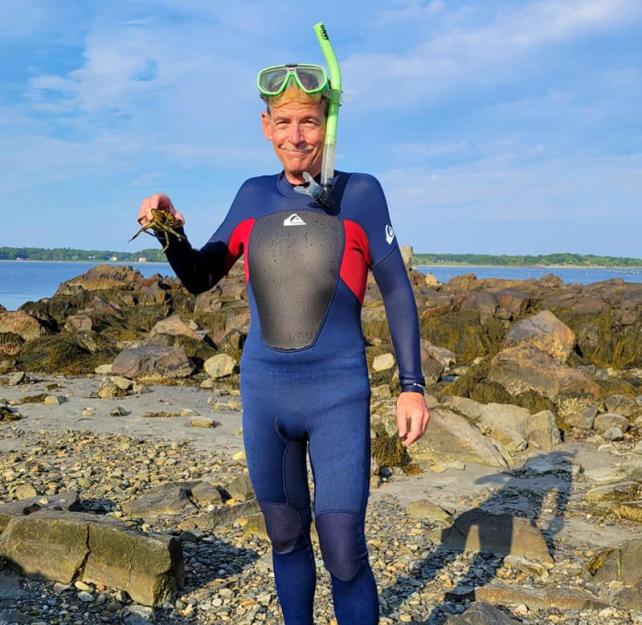
Last month, Sarah and I took a trip to rural Maine for another first-time life experience. I was more excited than fearful when I jumped out of a plane at 14,000 feet and I can now add skydiver to my life résumé! Had I listened to the advice I received from doctors a decade earlier, the thought of jumping out of a plane would have seemed preposterous.
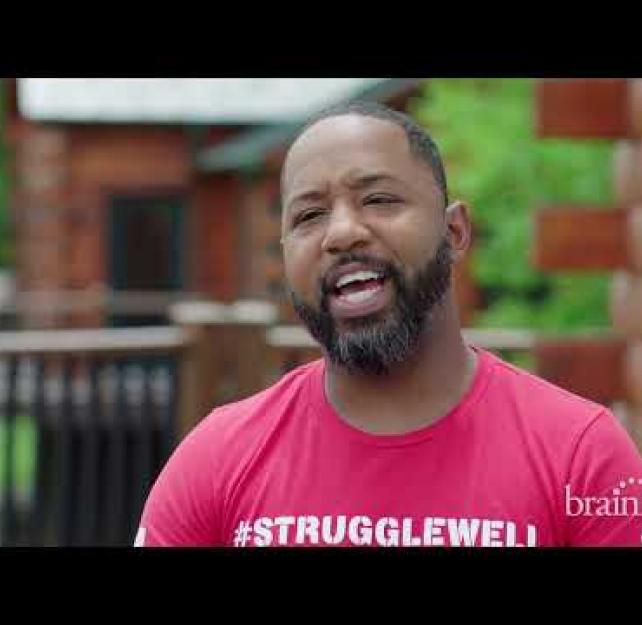
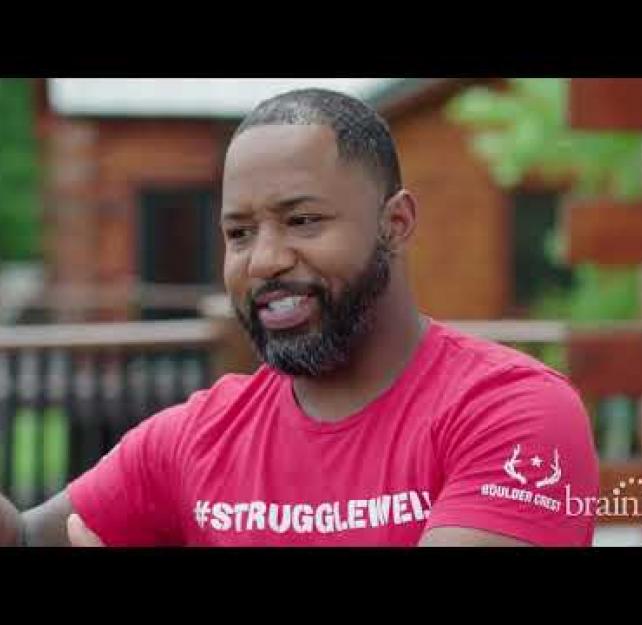
At Boulder Crest veterans talk constantly, supporting each other and reminding each other of the personal growth they are continuing to make in the program.
Many people with disabilities use a service animal in order to fully participate in everyday life. Dogs can be trained to perform many important tasks to assist people with disabilities, such as providing stability for a person who has difficulty walking, picking up items for a person who uses a wheelchair, preventing a child with autism from wandering away, or alerting a person who has hearing loss when someone is approaching from behind.
None of us has a crystal ball. The fact that the future is veiled is a gift. What I can do is live my best possible life with what I’ve got. If I look at my life right here, right now, it’s hard not to be grateful.
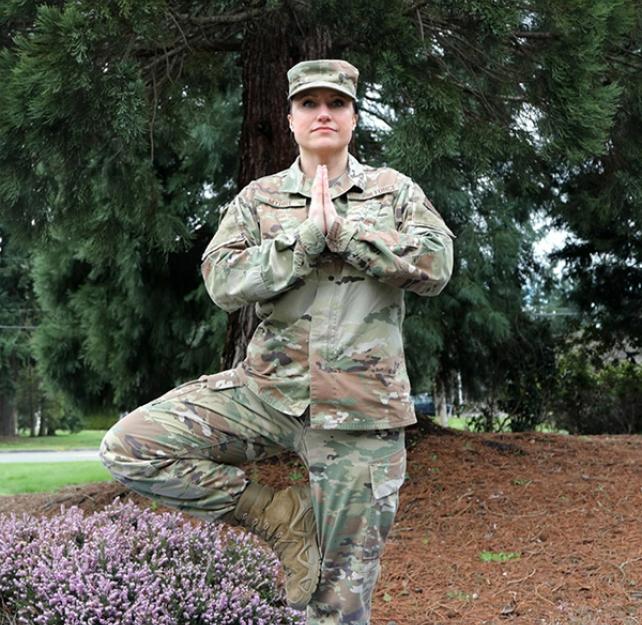
A Marine Veteran herself, she was resistant to try mindfulness, meditation, and yoga; these practices seemed ridiculous to her. But with time and patience, she began to feel great benefits of them.
A Field Operator in the Marines, Ashton Kroner downplayed her symptoms after sustaining traumatic brain injuries, which may have exacerbated them in the long term.
Being mindfully aware in the present moment meant that the past no longer owned me and that there really was no such thing as the future — there is just the here and now.
“When I meet people, post-injury who may be stuck in a dark place, who may think their lives are destroyed, I say it’s going to be hard to picture the future but start by dipping your toes into the waters of adaptive sports in a group setting. The sooner you get involved, the better. You don’t have a clue what you will accomplish in life.”
The human brain is a three-pound organ that remains largely an enigma. But most people have heard of the brain’s gray matter, which is needed for cognitive functions such as learning, remembering and reasoning.
Three of my four sons abruptly walked out of my life with no explanation and no communication. I was being ghosted long before that term even existed. It was, by far, the most painful part of my journey.
The brain is the organ that orchestrates all the diverse functions and complex decisions that take place in biological systems. Despite its critical nature, it is equally as fragile: the neurons that make up the brain do not regenerate like many other cell types.
The National Military Family Association understands deeply that “military families serve, too,” alongside their service member or veteran parent or spouse.
Our Miiltary Kids recognizes children for being brave despite their parent’s deployment and all the challenges — large and small — that can come with a parent’s recovery from combat injuries.
To be human is to grieve, and everyone grieves differently and in their own time. But there is a type of grief that many people experience that is less common, less talked about, but none the less real and painful. It’s called ambiguous grief or ambiguous loss.
If you are anything like me, when you or your loved one are first given a diagnosis, you research. There is so much information available online, it can be overwhelming or frustrating to know which is accurate, but I find research helpful in being able to report or advocate to doctors for both myself and my loved ones.
A new study published in Neurology dispels the notion that "mild" concussions have no lasting impact on mental skills like thinking, remembering, and learning. Poor cognitive outcomes are common 1 year after injury.
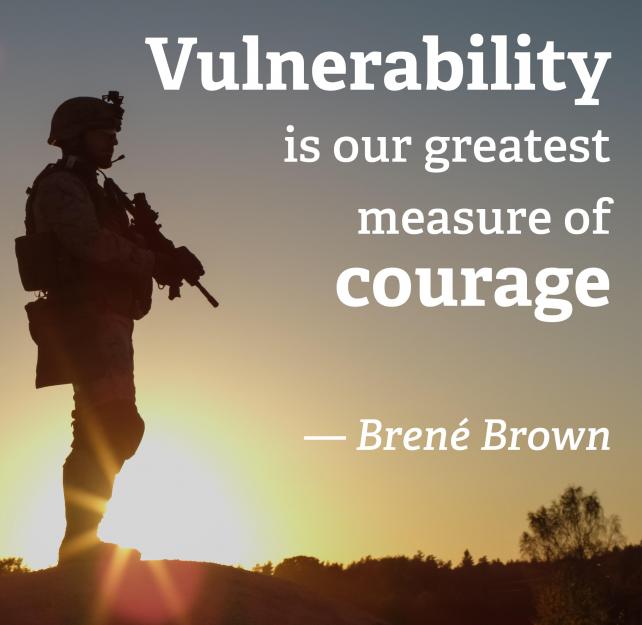
One lesson I have learned since I started meditating is the connection between courage and vulnerability. Yes, vulnerability. I know, it sounds like the antithesis of everything related to being a SEAL, but I have come to understand that while vulnerability and courage aren’t necessarily the same thing, it takes courage to show vulnerability and, in turn, as you show more vulnerability, you actually become more courageous.