Use the filters to browse the information we have available or to narrow your search results for a specific audience (e.g. caregivers, military, children), a preferred type of content (e.g. videos, blogs, articles), or by topics of interest (e.g. family concerns, legal issues, symptoms).
Trauma can be a strange and often insidious beast. We can be traumatized by directly being impacted by an event like a violent physical attack, a rape, a natural disaster, or an experience in combat, but we can also be traumatized indirectly by caring for, hearing about, or witnessing the intense suffering of others. Both the direct and indirect impact of traumatic events can lead to post-traumatic stress disorder (PTSD).
“Open therapeutic discussion works. It’s like you’re in the woods, it’s pitch-black, there are noises and shadows … and it’s just you, alone, with your one beam of flashlight light bouncing around as you turn this way and that, fight or flight. It’s terrifying. It’s a lot less scary if you’ve got 20 buddies at your side, 20 flashlights that can easily illuminate the forest for what it is, yes, noises and shadows, but once revealed, not so frightening at all. So, all this listening, talking, and sharing made possible by gaming and streaming worked for me and there are a lot of people out there struggling in similar ways who can similarly heal."
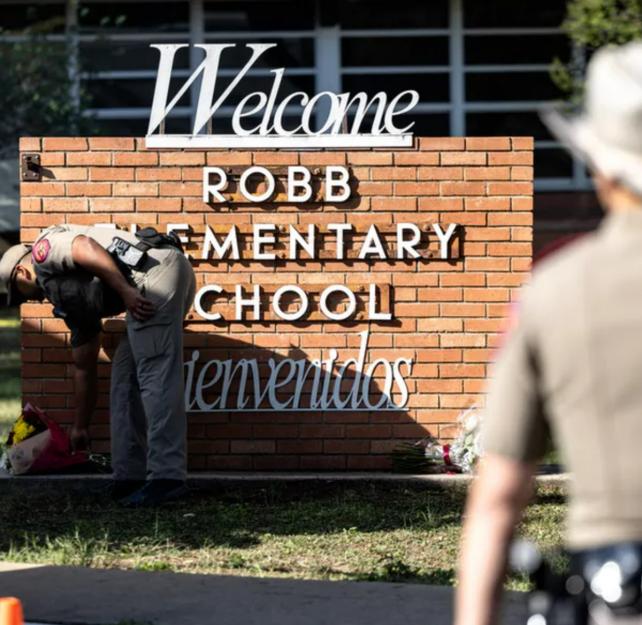
It is important to understand that no two people experience such horrific exposure in the same way. The extent of the trauma, stress or fear can vary. Survivors of a shooting may want to avoid the neighborhood where the shooting occurred or the context related to shooting, such as grocery stores, if the shooting happened at one. In the worst case, a survivor may develop post-traumatic stress disorder.
“When I meet people, post-injury who may be stuck in a dark place, who may think their lives are destroyed, I say it’s going to be hard to picture the future but start by dipping your toes into the waters of adaptive sports in a group setting. The sooner you get involved, the better. You don’t have a clue what you will accomplish in life.”
Three LSU Health New Orleans licensed professional counselors and registered play therapists have created a new book to help children cope with the experience and aftermath of Hurricane Ida. A couple of very talented children, Susanna (age 8) and Ellie (age 6) Frischhertz, drew the illustrations.
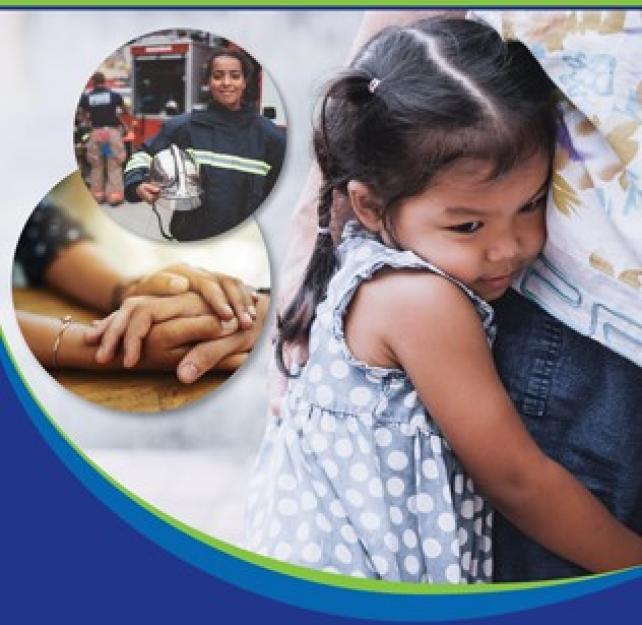
Todos los años, hay niños y adolescentes que están expuestos a acontecimientos catastróficos y otras experiencias traumáticas. Los padres de familia, los socorristas y los miembros de la comunidad en general pueden ayudar a los niños a iniciar el proceso de recuperación y a superar estas experiencias.
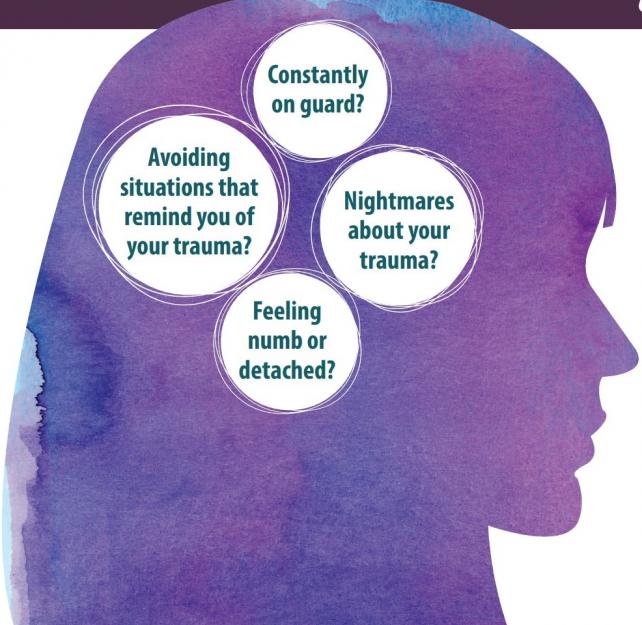
Trauma is common in women; five out of ten women experience a traumatic event. Women tend to experience different traumas than men. While both men and women report the same symptoms of PTSD (hyperarousal, reexperiencing, avoidance, and numbing), some symptoms are more common for women.
Anger and irritation after a brain injury are common. Those emotions can be difficult to control, leading to trouble in relationships or at work. Researchers are learning new ways to identify and lessen those feelings. Here are resources that provide information and support for those with brain injury and their families.
Caring for someone with a brain injury can be challenging sometimes. After a brain injury, people often behave differently than they did before. Sometimes people become more angry or irritable. Finding ways to accept and cope with these emotions can help you and the person you love. Here are some ideas that might help:
Anger and irritability are common side effects of a brain injury. They’re heightened when we view other’s actions through a negative lens. Here are some strategies to help reduce anger, irritation, and aggression. Sometimes it helps to PAUSE before you react:
Questions about how to manage emotional reactions in people with brain injury, how to address caregiver concerns, and other issues are answered by Dr. Dawn Neumann.
Imagine waking up one morning and your loved one lost the ability to recognize and empathize with your feelings. For the last couple of decades, researchers have been showing this to be a common outcome for people who have suffered a traumatic brain injury.
After his brain injury, her husband "never comforted her in times of sadness or worry...He never participated in her joys, not even when their first child was born. Was this because he didn’t care?"
The Brain Injury Research Center at Mount Sinai Hospital is seeking volunteers who have had a traumatic brain injury and are experiencing difficulties in any of the following areas: • Understanding emotions • Feeling upset for no reason • Losing patience • Controlling behavior • Getting things done when upset • Taking it out on others when upset This online study delivers an emotion regulation
Some signs and symptoms of concussion are evident soon after the traumatic event, while others you may only become aware of others days or weeks later.