Use the filters to browse the information we have available or to narrow your search results for a specific audience (e.g. caregivers, military, children), a preferred type of content (e.g. videos, blogs, articles), or by topics of interest (e.g. family concerns, legal issues, symptoms).
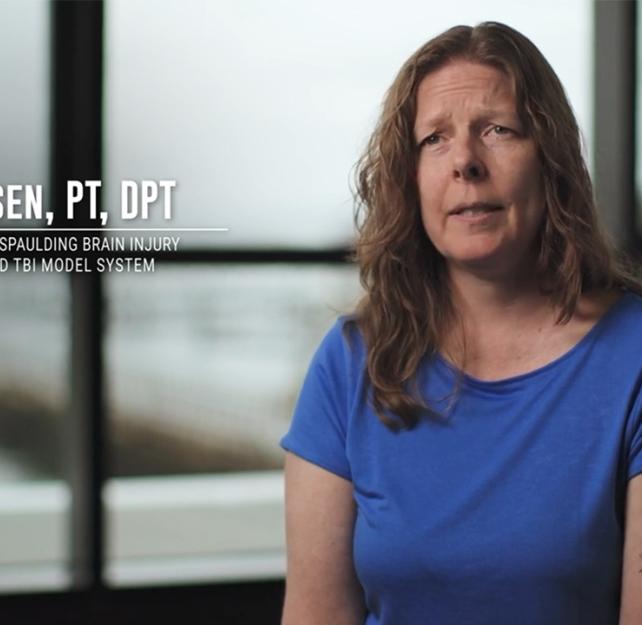
In this video, Beth Hansen, PT, DPT, explains what families should look for when choosing an inpatient rehabilitation program for someone with a disorder of consciousness.
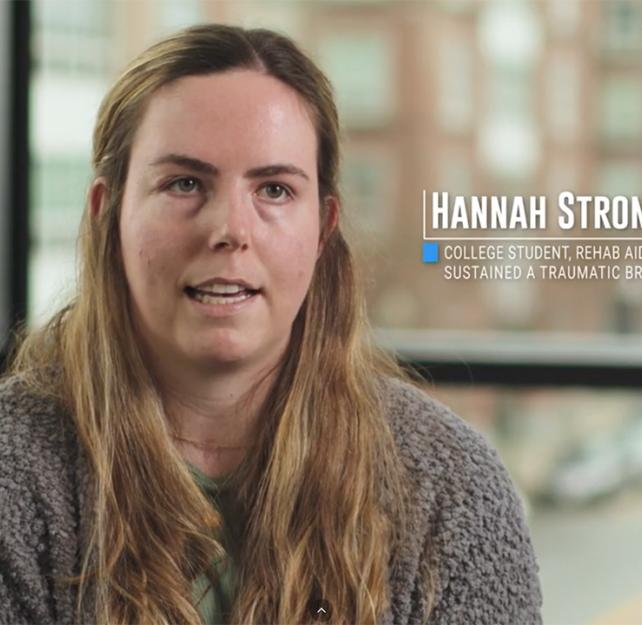
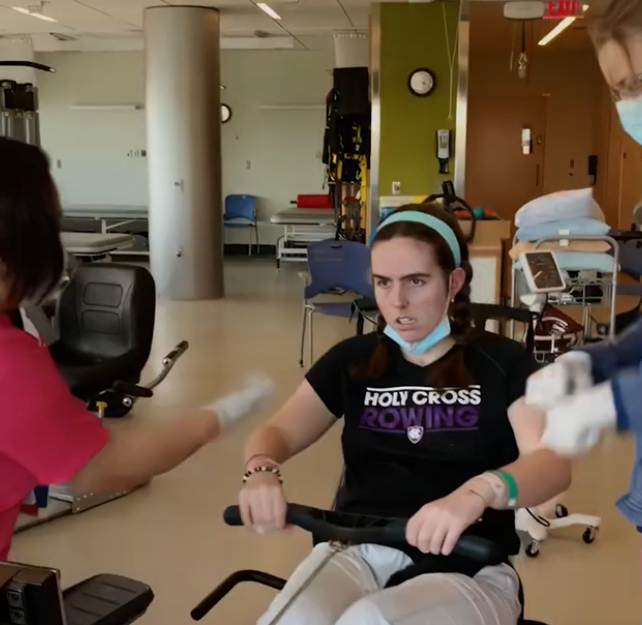
Recovering from Disorders of Consciousness follows the powerful true story of Hannah Strom, a young woman who survived a severe traumatic brain injury (TBI) and spent weeks in a disorder of consciousness. Through her journey — and the experiences of patients, families, and clinicians — this video explores how consciousness can slowly return, why early prognoses are often uncertain, and how specialized inpatient rehabilitation can change outcomes after severe brain injury.
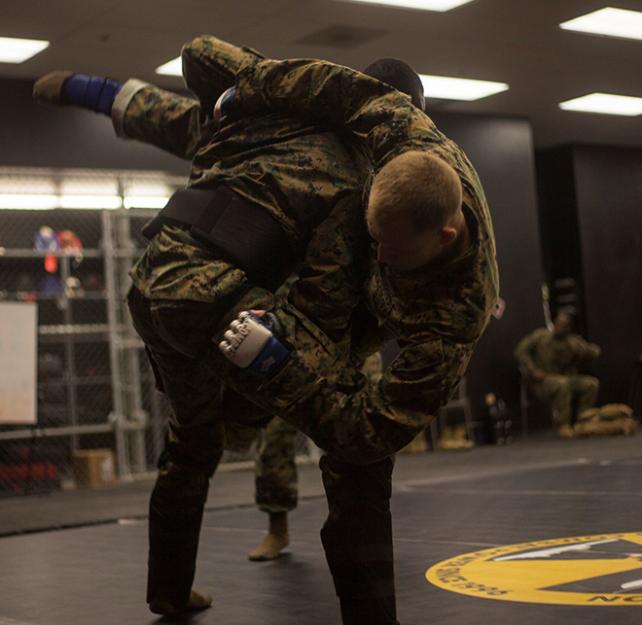
Veterans taking part in Warrior Care Network receive a year’s worth of mental health care during a 2-3 week intensive outpatient program (IOP) using evidenced-based treatments and alternative therapies.
A Field Operator in the Marines, Ashton Kroner downplayed her symptoms after sustaining traumatic brain injuries, which may have exacerbated them in the long term.
Tonya Oxendine, United States Army Command Sergeant Major, Retired, joined the military for safety and security but found much of the same trauma she faced at home.
My husband is a vet with PTSD and will not stop playing video games … he stays up all hours of the night. Should I be worried? Dr. Klassen answers your questions about mental health treatment.
Looking at a person’s heart rate, skin conductance, or other ways the physical body reacts to the stressors of PTSD offers providers a more nuanced path toward understanding how PTSD impacts a person’s life and in what ways treatments can alter those physical and emotional reactions.
Connor Martin's brother, veteran and athlete Kevin Ash, returned from his deployments changed. He sought help and his mother fought for him, but they never found what he needed.
When he returned from his first deployment Connor Martin's brother Kevin Ash wasn't the same. Even though Connor was young he recognized Kevin's increasing anger and isolation.
Connor Martin talks about donating his brother Kevin Ash's brain for study. Kevin was a veteran and an athlete who began exhibiting personality changes and his family wanted to understand what had happened, even if it was after his death.
Veteran Morgan Luttrell was part of a terrible helicoper crash that left him with a spinal cord injury and a TBI. He says, "The physical injuries are the easy part...it was the neck up [that was problematic]."
Veteran Jonathan Warren was very skeptical of transcranial magnetic stimulation session, but as his sessions continued his improved sleep continued and his heavy use of alcohol and marijuana reduced.
Veteran Jonathan Warren came back from service convinced he was fine -- until things started to change. Even though tests told him nothing was physically wrong, he new something wasn't right. So he took action. He dove in to finding treatments that might help -- and he started seeing results.
Dr. James Kelly knows that many of those in the millitary receive "invisible wounds" while in service and those can go unnoticed. The Marcus Institute evaluates to see if a person for those wounds and then provides comprehensive care for the physical, emotional, and cognitive changes that can accompany trauma to the head using a combination of traditional and complementary treatments.
Kristi Kragthorpe knew she had cognitive issues after her brain injury but struggled to find the help she needed. Without support from her doctor she had to take matters in to her own hands, which wasn't easy.
Kristi Kragthorpe uses smartphone apps as aids to help make her life easier after brain injury, but she makes sure not to overwhelm herself with too many.
Many people with a brain injury lose their social connections. In this video three people with TBI bring their experiences of social isolation, stigma, and difficulties with communication to this short comedy film.
Language is an essential part of our lives that we often take for granted. But, if the delicate web of language networks in your brain became disrupted by stroke, illness, or trauma, you could find yourself truly at a loss for words. Susan Wortman-Jutt details a disorder called aphasia, which can impair all aspects of communication.