Use the filters to browse the information we have available or to narrow your search results for a specific audience (e.g. caregivers, military, children), a preferred type of content (e.g. videos, blogs, articles), or by topics of interest (e.g. family concerns, legal issues, symptoms).
If you are new to a life that now includes brain injury and everything feels different and unfamiliar, you are not alone. We all go through it. But I can share with you that time will change your perspectives...
The Amazing Brain Injury Survivor Support Group in Framingham, MA, shares what they wish they had known earlier about living with brain injury. We invite you to add your thoughts as well!
Amanda Stombaugh shares how she managed through the trauma, her daughter Ashlyn's rehabilitation, managing the behavior of a young child with a severe TBI, how to practice self-care while parenting three children, communicating with Ashlyn’s school, helping Ashlyn with social situations, and more.
Over the last few months, a group of people has weighed heavily on my heart. I’ve been thinking about them, and I’ve wanted to express my concern and compassion for them. They are the siblings of brain injury survivors. What happens when your brother or sister suffers with a brain trauma?
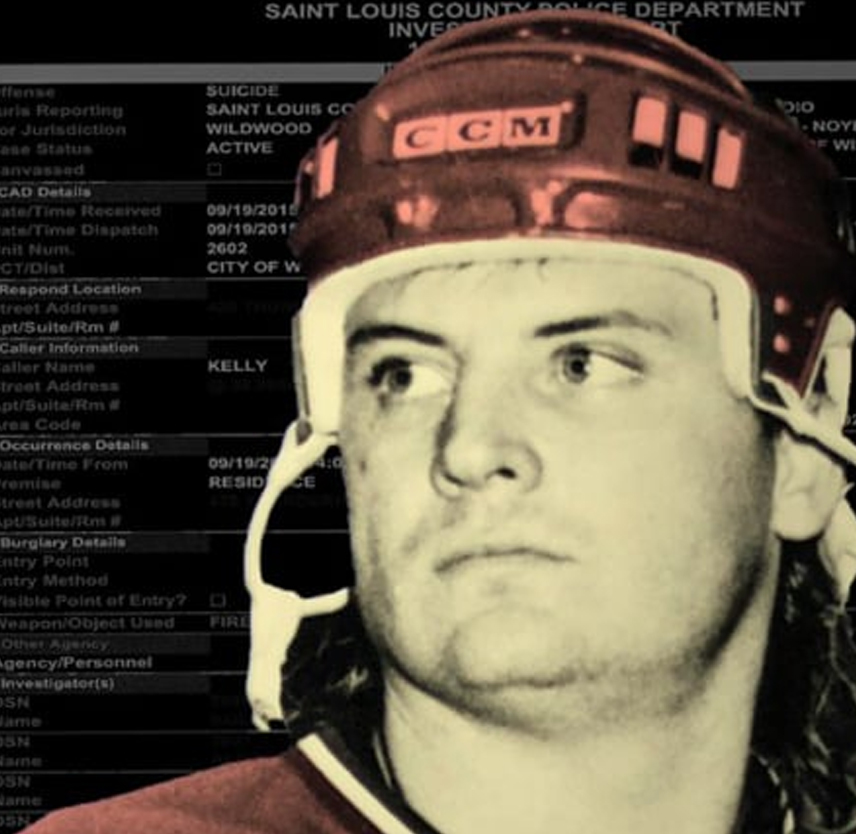
Todd Ewen, a former professional hockey player, took his own life in 2015. Before his death, he confided in his wife, Kelli, that he feared he may have chronic traumatic encephalopathy, or CTE.
If you were to look into the windows in our house of life, we would appear to be a “normal” family, but the reality is, we don’t feel normal. Most days are spent figuring out what will help Kyle on that day; how can that brain of his be calmed.
Hope—love—tenacity—go for it—get mad, let yourself be sad—but don’t let the madness or sadness swallow you. These were repeated themes, said in a thousand ways for a thousand reasons. These are the messages we need to hear again and again.
I don’t think the meaning of life is really any different without a brain injury, except it may be more clear after TBI. It is clearer because it is less clouded by alternatives.
It is impossible to deny that my husband is now a stranger. Despite everything we learned at the hospital, I don’t know how much to help TC and how much to get out of his way. Every morning, I wake up still a little bit shocked that doctors let me take him home at all. Who am I to be trusted with something so fragile?
Last month, I hit a low point and realized that it was time to seek professional help again. I sought out a local doctor familiar with using EMDR to treat my PTSD.
We admit, despite celebrating Steven’s recovery, we did fall into the dismal comparison trap. "Why is Steven’s rehab roommate already walking?" "His accident was as severe as Steven’s; how did he escape a craniectomy and the helmet?" "How did she escape the epilepsy curse?"
The consequences of mild traumatic brain injury turn worlds upside down. Headache, double vision, and balance difficulties are the most obvious problems, but less visible symptoms can be the most insidious and difficult to manage.
Hope is complicated. It represents believing something can improve, despite the current state of circumstances. It also means having the courage to believe when things appear hopeless. I have become well acquainted with the infinite value of hope, but also the tightrope on which it teeters.
Though solutions come in unexpected places, I never expected my local Target store to hold to key to freedom from one of my biggest challenges since my brain injury – living with Post Traumatic Stress Disorder.
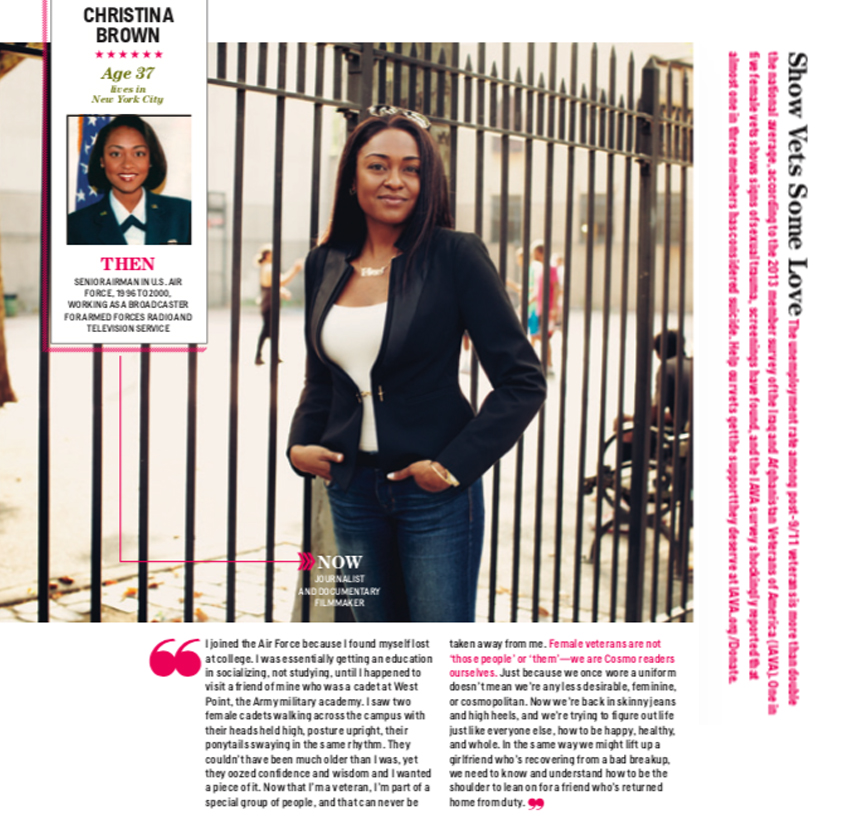
Less than a year after the Cosmopolitan magazine article was published, a car crash derailed my prospects in documentary film. The auto wreck left me with a brain injury and redefined what it meant to truly start over. Like two sides of the same coin, suddenly there was life before TBI and life after TBI.
For the past 14 years, I’ve been living a reasonably productive life with a brain injury. All things considered, I’ve done pretty well except for one big stumbling block.
Caregiving is hard. The lack of support for adults with brain injury (in our area) is ridiculous. I find myself wanting to scream when people ask, "Don't they have services for that?”
Some may question the morality of lying. As I moved deeper into my new role as a caregiver, I reached out to learn as much as I could about caring for someone with mom’s type of brain injury. My mistruths are categorized as Therapeutic Lying.
It’s been six and a half years since I began this brain injury journey. Or, to compute, 2,372 days, 56,928 hours, 3,415,680 minutes. As I think back, I take pride in each of those days (the bad ones included), remembering too vividly a time in which I was convinced we couldn’t make it at all.
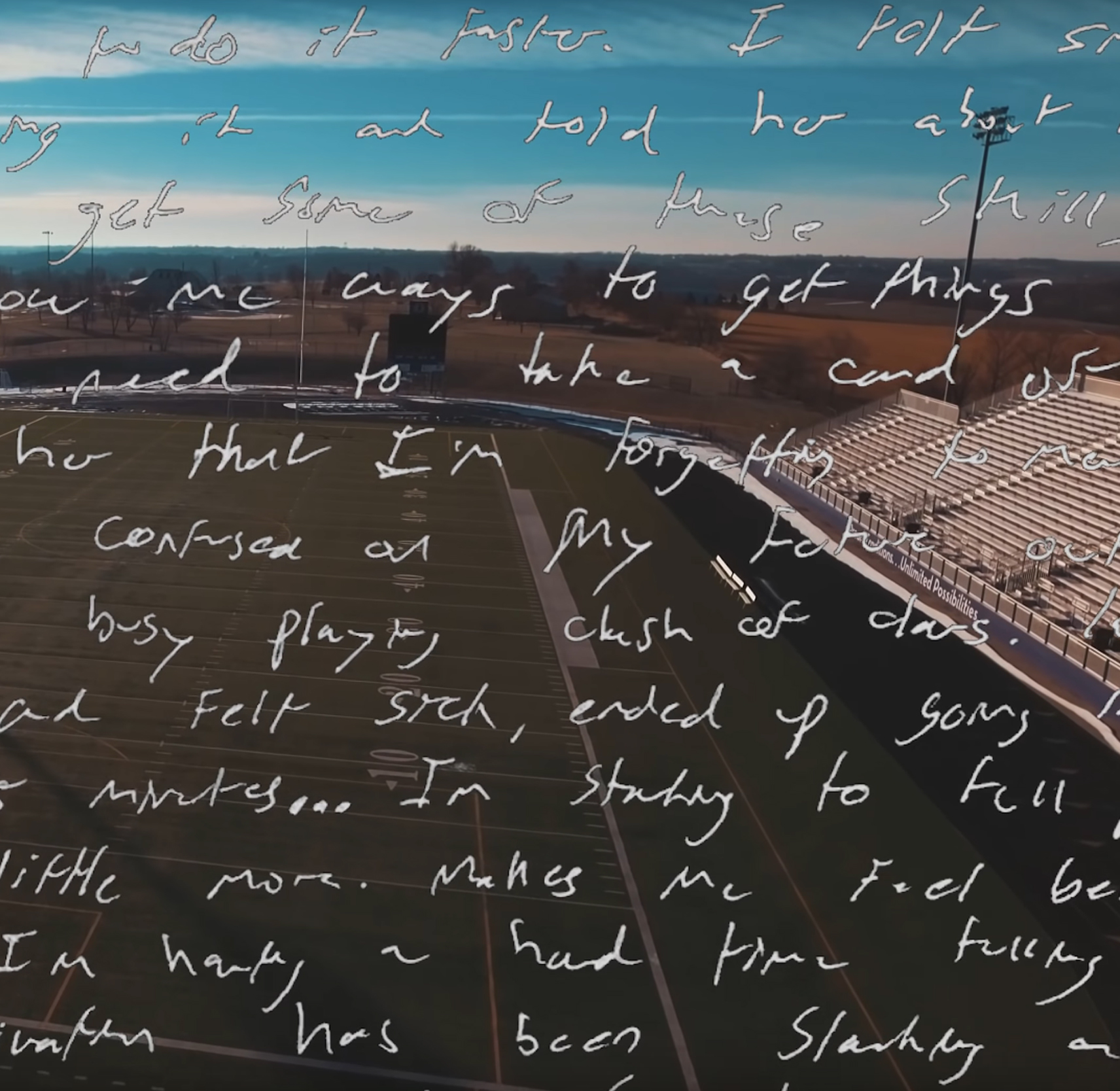
Zac Easter knew what was happening to him. So he decided to write it all down—to let the world know what football had done to him, what he’d done to his body and his brain for the game he loved. And then he shot himself.
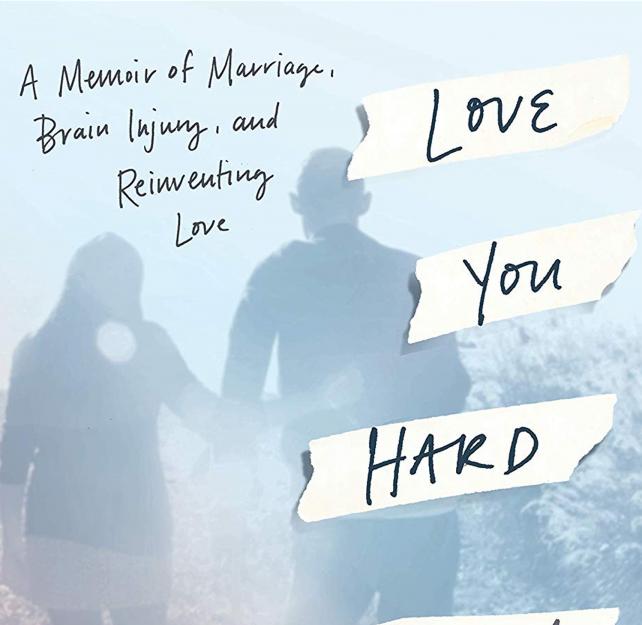
This book packs a lot of wisdom. You’ll learn about aphasia; you’ll understand ambiguous loss; you’ll follow Abby down dark hallways and into sunlit rooms and learn what it means to own a life built on raw truth.
The emotional equivalent of being caught in the undertow came earlier this week. I was scrolling through old photos, reconnecting to moments captured in time. I found my mind trapped in the tumultuous waters of ambiguous grief, fighting my way to the surface.
It’s time to put a label on one of my biggest fears as a brain injury survivor: Backsliding. Over the last couple of months, I began to fear that this was happening to me until another survivor shared with me that lack of sleep exacerbated brain injury symptoms. And in two ticks of a clock, the lightbulb went on over my head.