Use the filters to browse the information we have available or to narrow your search results for a specific audience (e.g. caregivers, military, children), a preferred type of content (e.g. videos, blogs, articles), or by topics of interest (e.g. family concerns, legal issues, symptoms).
"There have been people who didn't leave me even when I told them to, who gave me chances, who listened even during my darkest times post-injury. I couldn't have made it without them." Navy veteran Derek McGinnis shares his experience.
The wife of Navy veteran Derek McGinnis, in a supportive and loving way, helped him become independent after his brain and other injuries. She acted like his wife, not his caregiver.
Facebook and other social media sites are effective ways for military vets like Navy veteran Derek McGinnis to connect with other vets who are experiencing the same challenges post-injury, post-deployment.
Team Semper Fi has given Navy veteran Derek McGinnis and many other veterans with TBI and/or lost limbs a place to face challenges and meet them with pride and a sense of belonging.
Vets and service members need help after injury not only to build on the strengths they once had but also to realize how to grow and change from there. Navy veteran Derek McGinnis shares his experience.
"Being in the hospital after a TBI — tubes and machines attached everywhere — is scary and frustrating. Only the Marines were able to calm me down." Navy veteran Derek McGinnis shares his experience.
Realizing you are not the only one with a brain injury gives you the abiity to get insight into the injury-related challenges, get help, make a plan, and carry on from there. Navy veteran Derek McGinnis shares his experience.
Cognitive rest after a brain injury for kids means a break from sports and intense school work. It also means no tweeting, texting, internet, cell phone ...
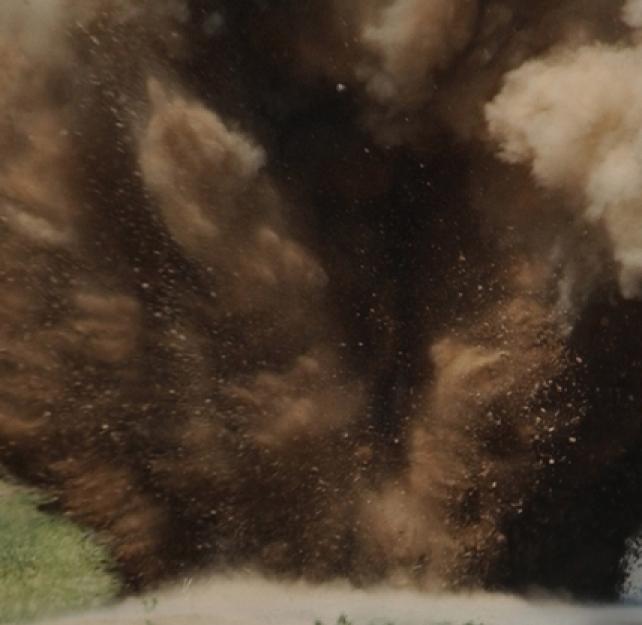
Special Forces are being studied during breacher training in which they experience real explosive events in hopes of answering more questions about the effects of blasts on the brain.
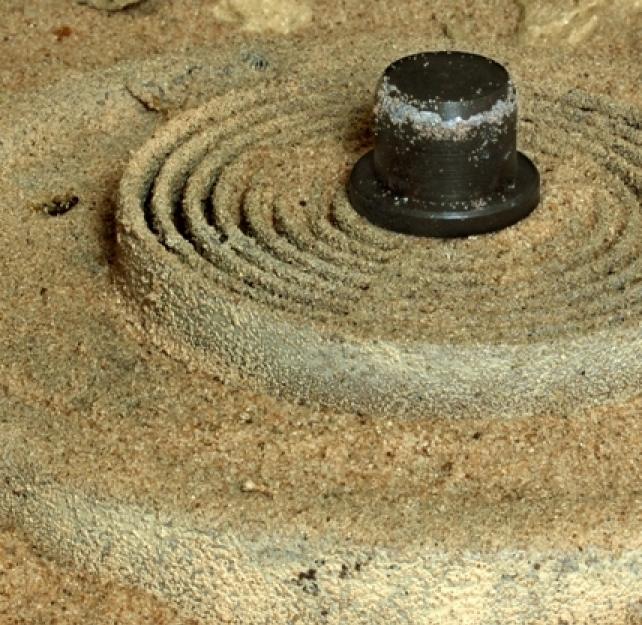
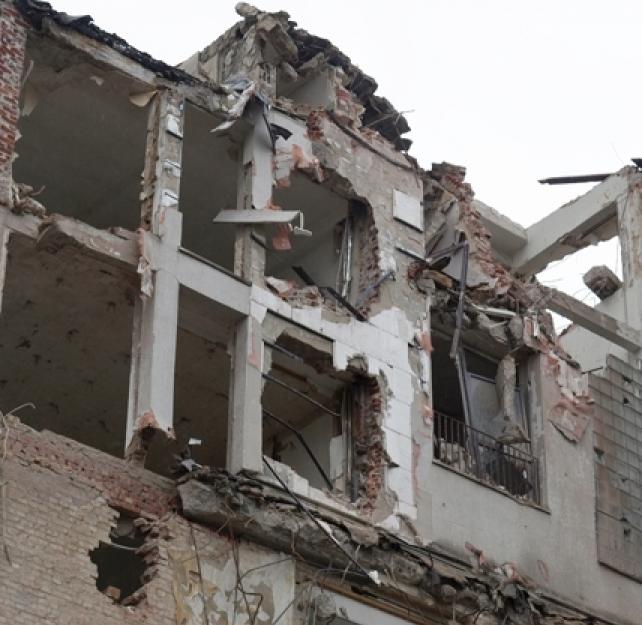
An IED explosion can not only cause a blast injury from the shock waves themselves, but can also cause concussion or a penetrating injury at the same time.
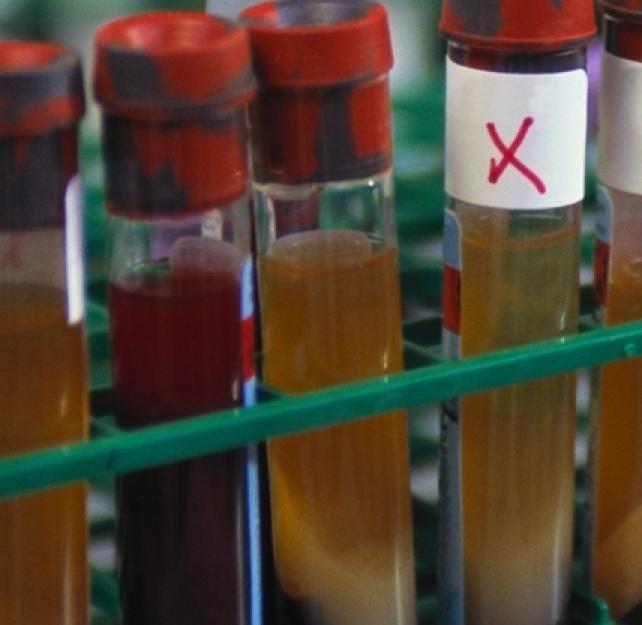
Research on the use of blood biomarkers for diagnosing brain injuries — in theater and in the civilian world — is getting closer. The hope is to be able to use it as a standard diagnostic tool.
Diagosing a mild TBI often has to rely on subjective evaluations. A standard, objective screening tool like a blood biomarker would help with diagnosis and with tracking recovery.
The changes in weaponry during the recent conflicts compared with weaponry in previous wars have made TBI, especially mTBI, a common and complex injury among returning service members.
We know that blast waves alone can damage the human brain. But more research is needed to learn how exactly blast waves alone damage the brain's cells, blood vessels, and structure as a whole.