Use the filters to browse the information we have available or to narrow your search results for a specific audience (e.g. caregivers, military, children), a preferred type of content (e.g. videos, blogs, articles), or by topics of interest (e.g. family concerns, legal issues, symptoms).
As caregivers, we have to tread very delicately in interpreting our loved one’s behavior. When our default assumption is to blame brain injury, we run the risk of creating self-doubt in the survivor.
One of the distinct markers in the aftermath of my son’s brain injury is the presence of an emotional space I’ve never before experienced called ambiguous grief. For both survivors and family members, it can be challenging to address the path of this type of grief.
There is a nice thing about learning to live after a brain injury. Once you realize you can live life again, most everything else seems like a cakewalk.
The prevalence of PTSD across different populations based on recent studies that have assessed the prevalence of PTSD in nationally representative samples as well as in samples of Veterans.
Recovery from a TBI involves personal commitment and a tremendous amount of time, along with contributions from family and friends. The most important part in most of these cases begins with caregivers – whom I consider angels.
In the blink of an eye for our sons, and with an unwelcomed knock on our door for my husband and me, our family changed in a way that we could not even begin to comprehend.
After my brain injury, I could not tolerate most sounds or most music. I did find, however, that there was certain music or sounds that worked like “brain massage” for me.
Simple things become a challenge after a brain injury. During the extremely challenging years of my recovery, here is what I did to help myself get through a phone call and accomplish what I needed to do.
A couple of weeks with a respite from the worst of brain injury symptoms does not mean that I am abruptly recovering. It simply means that I’ve been able to string together a decent number of tolerable days.
I never wish to glamorize the process of returning to work, nor unfairly claim credit for it. TC was at the helm for most of this journey. With that said, there are a few pieces of wisdom I’ve gathered from the experience...
In the past ten years, I found myself laughing when I thought of Hugh’s pre-injury days—those glorious days when I thought I was so busy and hectic. Once the dreaded accident phone call came and I rushed to the emergency room, I discovered what busy was all about.
Taylor is still fragile in his recovery, and yet stronger than many can imagine. In that analysis, I also see myself and many others who are navigating the tightrope of brain injury.
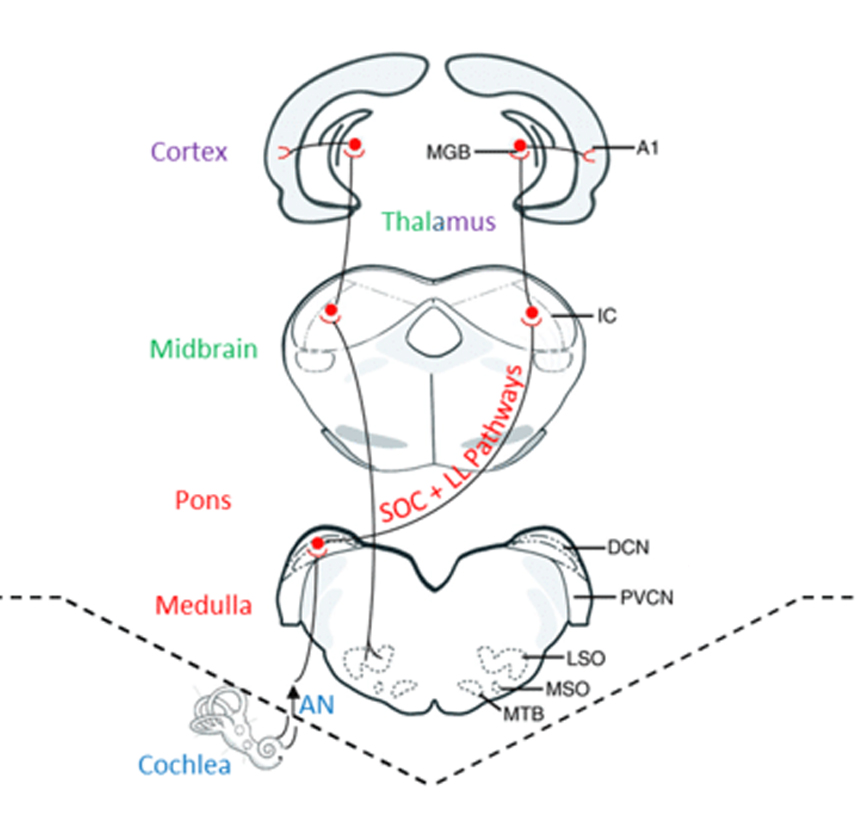
Research findings suggest mild blast trauma suffered by military personnel affects portions of the auditory system that have not been extensively studied after injuries occur, and this impairment might be diagnosed using well-established testing methods.
I still have bad days. By looking at me, you’d never know that it was a “bad TBI day.” Today happens to be one of those days. Let me tell you a bit more about a bad TBI day and why a bad TBI day is different than it was a few years ago.
Brain injury has been a type of boot camp for our family, a crash course in thickening our skins and tackling struggle head-on. And although none of us signed up for it willingly, I think we can all agree it’s been strenuous and valuable preparation for whatever challenges lie ahead.
Navigating through neurostorms is just one of the many challenges we have had to face. Hopefully, by sharing our journey, we can help educate and empower other brain injury survivors and their caregivers.
As weeks and then months went by, the monitors were gradually removed and it became more important for family and friends to communicate with nursing staff regarding Josh's neurostorms.
When a loved one sustains a serious head injury, there is certainly pain and hardship and the list of hardships is varied and long. TBI’s deliver potent cocktails of mental, emotional, physical, and psychological trauma not only to the injured person but also to their families.