Use the filters to browse the information we have available or to narrow your search results for a specific audience (e.g. caregivers, military, children), a preferred type of content (e.g. videos, blogs, articles), or by topics of interest (e.g. family concerns, legal issues, symptoms).
Hope is complicated. It represents believing something can improve, despite the current state of circumstances. It also means having the courage to believe when things appear hopeless. I have become well acquainted with the infinite value of hope, but also the tightrope on which it teeters.
Though solutions come in unexpected places, I never expected my local Target store to hold to key to freedom from one of my biggest challenges since my brain injury – living with Post Traumatic Stress Disorder.
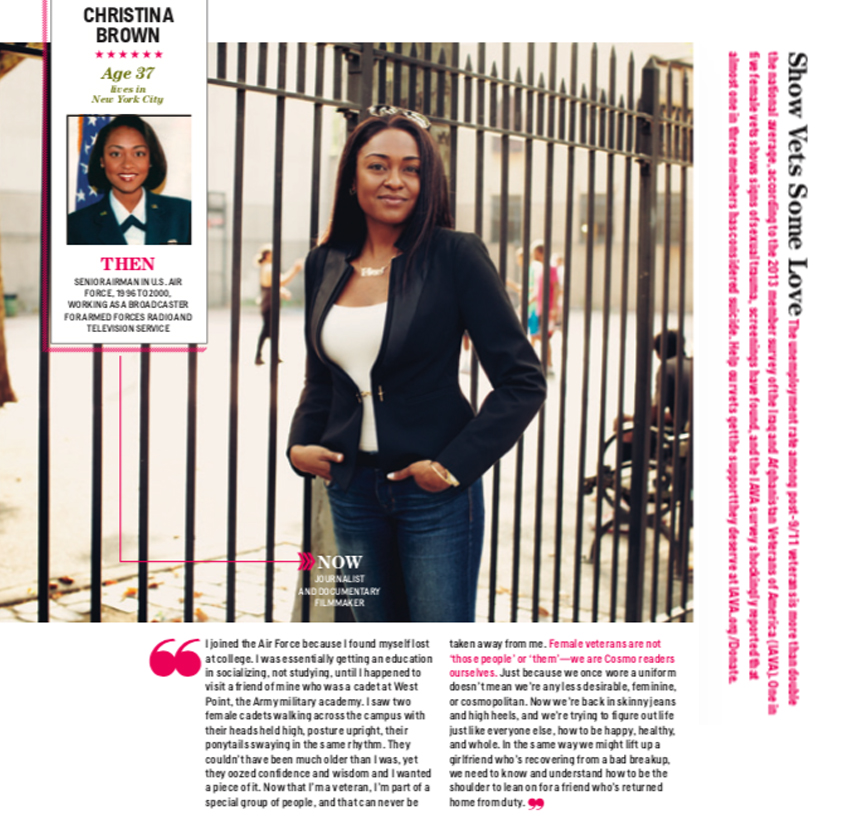
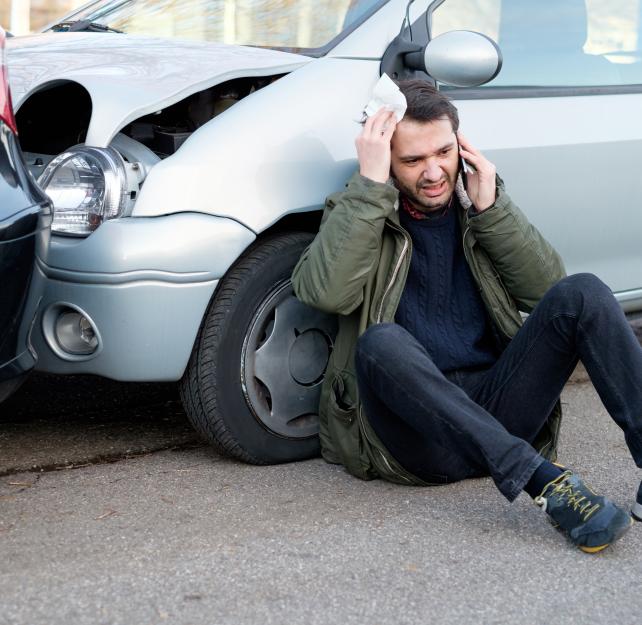
Less than a year after the Cosmopolitan magazine article was published, a car crash derailed my prospects in documentary film. The auto wreck left me with a brain injury and redefined what it meant to truly start over. Like two sides of the same coin, suddenly there was life before TBI and life after TBI.
Kristin Gwin, a Social Worker at Walter Reed National Military Medical Center understands that getting help can be an intimidating process. She offers advice on how to get started by letting a professional know you want help.
For the past 14 years, I’ve been living a reasonably productive life with a brain injury. All things considered, I’ve done pretty well except for one big stumbling block.
You’ve reached out for help, you’ve found the right provider, now Kristin Gwin from Walter Reed National Military Medical Center shares what to expect at your first appointment.
Meditation may hold some benefits for those with TBI, but currently there is not enough research on the ability of those affected by TBI to meditate or the impact of meditation on those with TBI, and the few published studies report different results, so its effectiveness remains to be proven.
Acupuncture can be highly effective in treating a wide range symptoms associated with traumatic brain injuries, such as depression, anxiety, insomnia, and headaches.
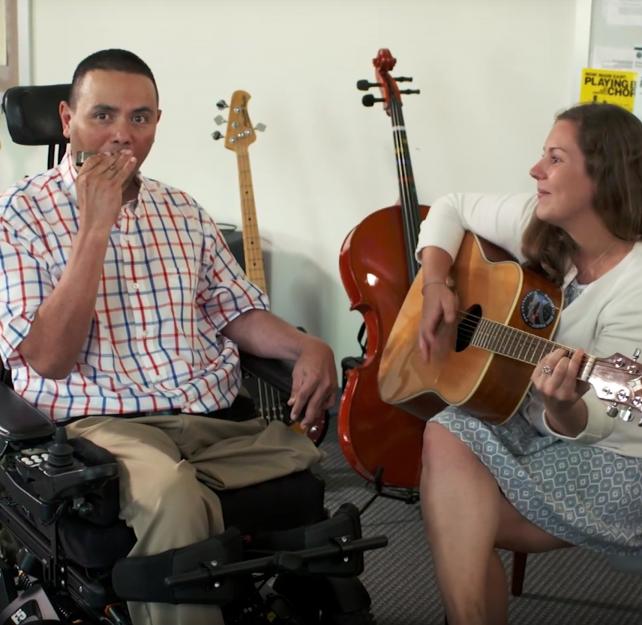
Music therapy is an evidence-based therapeutic application for the treatment of brain and psychological injuries such as TBI and PTSD. Substantial scientific evidence supports how and why music therapy works, but it also can be understood intuitively.
Today there is more interest in concussions and their lingering effects, which has led to more funding and research. Dr. James Kelly sees the information gathering and treatment implemenation landscape growing even further as time goes on.
Dr. James Kelly talks about how a lot of people were interested in concussion in the 1980s. It's taken a long time, but more and more people have come on board with the view that brain injury is an important issue. This change is leading to more developments in the diagnosis and treatment of mTBI.
Dr. James Kelly believes that taking extra time with patients means developing a more accurate diagnosis and, therefore, a more effective treatment plan for the patient.
Showing a patient's improvement after a brain injury using accepted standardized metrics means those results can be analyzed and diseminated. It can also inform trials aimed at improving the identification and treatment of TBIs.
At the Marcus Institute, the focus is on spending time learning about their veteran patients and finding as accurate a diagnosis as possible in order to best tailor treatment.
Dr. James Kelly discusses NICoE's major focus on helping those with brain injury become independent. To help with that goal the program helps patients learn the nature of their problem, what triggers their symptoms, and how they can address those symptoms as they arise.
NICoE, the National Intrepid Center of Excellence, was created with the goal of helping duty service members with TBI relieve symptoms, put them on a trajectory of recovery, and aim them back into the the military world that they live in.
Dr. James Kelly knows that brain injury results in physical changes to the body which can be addressed and improved using rehabilitiation therapies. Vestibular rehabilitation has proven effective in addressing issues of balance and mobility.