Use the filters to browse the information we have available or to narrow your search results for a specific audience (e.g. caregivers, military, children), a preferred type of content (e.g. videos, blogs, articles), or by topics of interest (e.g. family concerns, legal issues, symptoms).
Life after brain injury remains a bit surreal. One might think that after fifteen years, I would have mastered the subtle nuances of this second life, but not even close. Occasionally, I am reminded that I live on a different plane than the neuro normals of the world but I've found ways to adapt and celebrate.
March is Brain Injury Awareness Month, my 16th as a brain injury survivor. Looking back, until my life became defined by brain injury, I had never heard of Brain Injury Awareness Month. For several years after my injury, the goal was simple: I wanted to be the person I was prior to my injury. I wanted to be “the old me.” But what if I told you I could be better than my old self in ways I never saw coming?
Brain injury anniversaries are complicated. Like an unseen gravitational force, my mind is drawn back to that day. But this year feels different. My anniversary is still many months away… but thoughts of it are already creeping in at unexpected times.
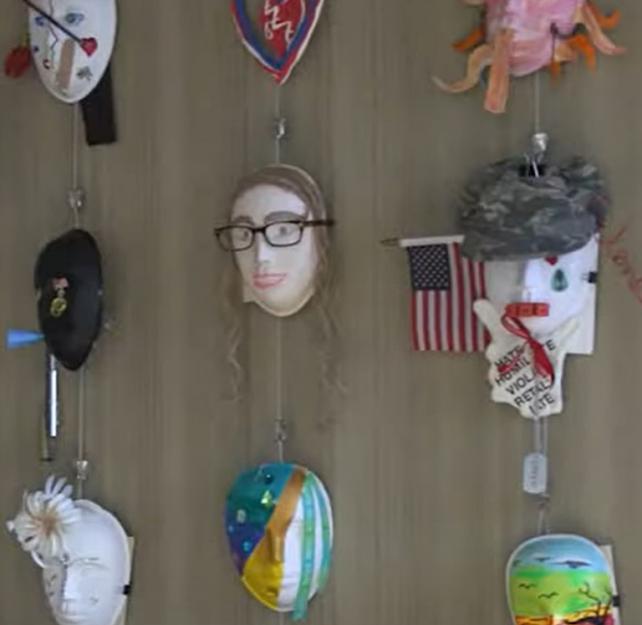
Showing the fronts and backs of masks made by veterans with PTSD and TBI, Art Therapist Stephanie Clark talks about how through the process of making, a veteran can process and better understand their traumas.
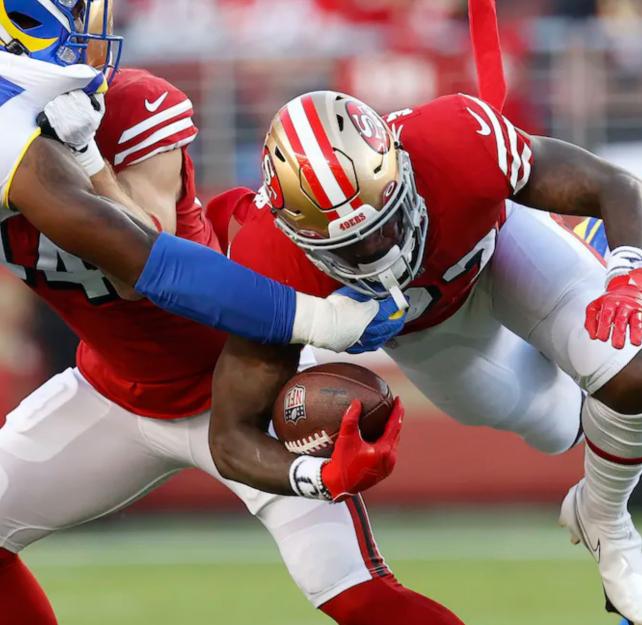
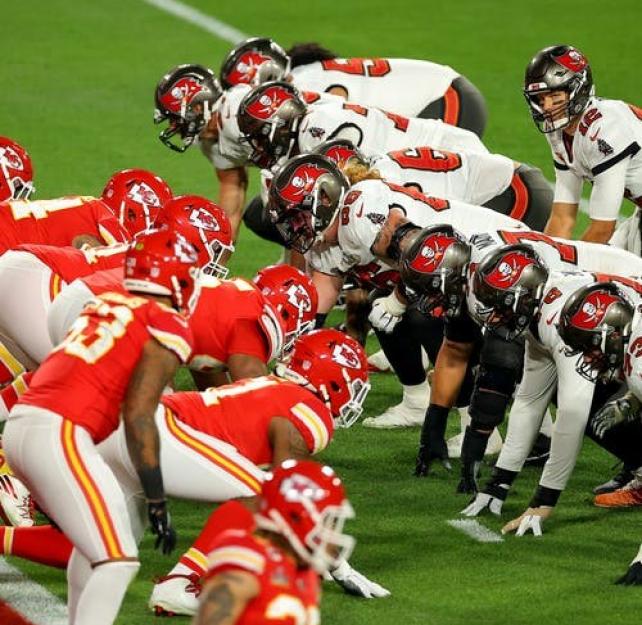
Chronic traumatic encephalopathy (CTE) is a neurodegenerative disease associated with a history of repetitive head impacts (RHI). To better understand the strength of evidence underlying the possible causal relationship between RHI and CTE, we examined the medical literature through the Bradford Hill criteria for causation.
After fighters' cessation of RHI exposure, cognitive function and brain thickness measures may stabilize and blood NfL levels may decline. This study could be a starting point to identify potential predictors of individuals who are at a higher risk of RHI-related long-term neurologic conditions.
The human brain is a three-pound organ that remains largely an enigma. But most people have heard of the brain’s gray matter, which is needed for cognitive functions such as learning, remembering and reasoning.
If you are anything like me, when you or your loved one are first given a diagnosis, you research. There is so much information available online, it can be overwhelming or frustrating to know which is accurate, but I find research helpful in being able to report or advocate to doctors for both myself and my loved ones.
A new study published in Neurology dispels the notion that "mild" concussions have no lasting impact on mental skills like thinking, remembering, and learning. Poor cognitive outcomes are common 1 year after injury.
Over the past two decades, researchers have gained a great deal of insight into the risks surrounding concussions – some of which has led to sweeping policy changes.
Intimate partner violence (IPV) affects up to 1 in 3 women over their lifetime and has intensified during the COVID-19 pandemic. Although most injuries are to the head, face, and neck, the intersection of IPV and brain injury (BI) remains largely unrecognized. This article reports on unexplored COVID-19–related impacts on service providers and women survivors of IPV/BI.
This training is designed for anyone interested in learning about how the brain operates, what happens when it’s injured, and how yoga and meditation can be used for healing.
Creating individualized treatment plans for veterans is crucial as they may be experiencing symptoms from PTSD, TBI or other concussive injuries as well as moral injury. Often, soldiers enter a war in their late teens or early 20s when their brain has not yet reached full maturation. Providers must consider all of a veteran’s physical and psychological factors when tailoring treatment strategies.
The jury is still out on the exact ways that repeated blast injuries affect the brain. Some believe that the blast waves travel through the organs, producing a change in the gray-white matter of the brain. Others believe that blast-related injuries produce a unique pathology while others still think that the pathological signals from these injuries result in behavioral disturbance. But all researchers seem to agree that repeated blast-related injuries affect a person’s brain in the short-term as well as in the long-term with the risk of neurodegenerative disease.
Researchers and doctors are learning more about how blast injuries, especially if repetitive and sustained close together, can affect the brain far more significantly than a singular blow to the head as from football, boxing, or a car crash. When treating veterans and service members, clinicians in the Home Base program start by taking an in-depth TBI history starting from childhood to the present. The more they understand the mechanism, frequency, and interval between any sustained injuries, the more pointed their treatment can be.
Connor Martin and his family donated his brother Kevin Ash's and evidence of CTE was discovered, a condition that can only be diagnosed after death. Kevin's family encourages others to donate as well so we can learn more about brain injuries and CTE.
Would Connor Martin's brother, veteran and athlete Kevin Ash, have lived his life differently if he'd know more about traumatic brain injury? Connor doesn't think so. But Connor knows the dangers now and he tries to make things safer when he's active.
Connor Martin believes that donating his brother Kevin Ash's brain made a difference in how his family coped with Kevin's altered behavior and death after receiving traumatic brain injuries (TBIs).
Veteran Kevin Ash suffered blast injuries during his deployment, but it was a rugby tackle that put him in a coma. His brother Connor Martin said that when Kevin work up he had lost both hearing and sight but the family accepted these changes as the "new normal."
Connor Martin's brother, veteran Kevin Ash, fell into a coma after receiving a traumatic brain injury. After he woke up, though, his family discovered he had lost his sight and hearing which cost him a lot of independence. But his family fought to keep him active and engaged with life.