Use the filters to browse the information we have available or to narrow your search results for a specific audience (e.g. caregivers, military, children), a preferred type of content (e.g. videos, blogs, articles), or by topics of interest (e.g. family concerns, legal issues, symptoms).
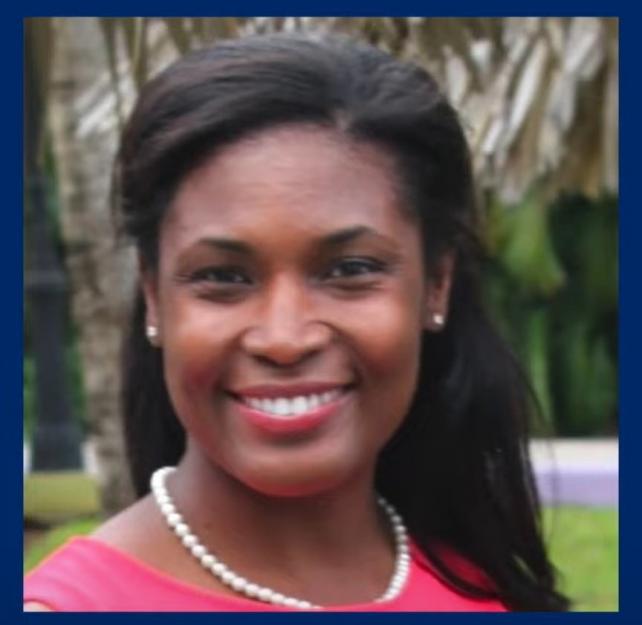
How can we process traumatic events like the COVID-19 pandemic? Johns Hopkins University School of Nursing Assistant Professor Tamar Rodney, PhD, MSN, RN explains.
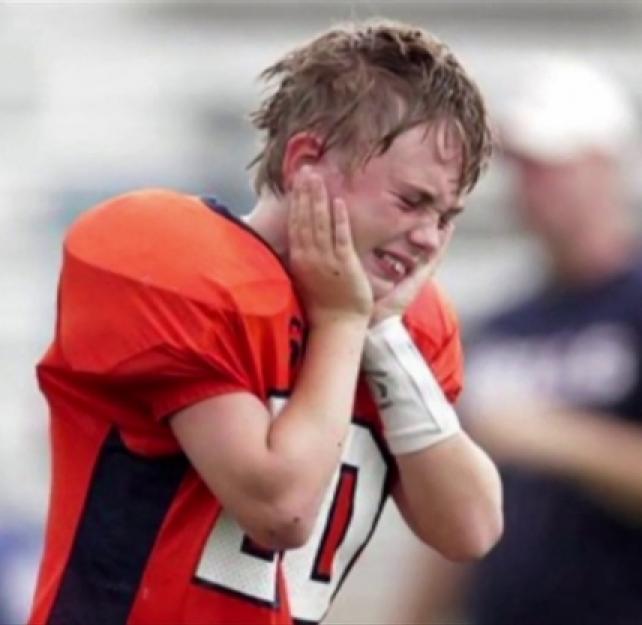
Connor Martin and his family donated his brother Kevin Ash's and evidence of CTE was discovered, a condition that can only be diagnosed after death. Kevin's family encourages others to donate as well so we can learn more about brain injuries and CTE.
Veteran Morgan Luttrell doesn't regret his military service, despite all the dangers he knew about going in. But the more we learn about the brain, the we can help prevent or repair those injuries to the brain.
Dr. Robert Cantu talks about ways kids can use simple resistance exercises to strengthen their neck muscles, which in turn helps them be less vulnerable to concussion.
Like treating heart disease before a heart attack, says Michael Roy, MD, Col. (Ret.), treating symptoms like anxiety and hypervigilance before they may become part of a full PTSD diagnosis makes the most sense.
You can't have a head without a neck ... more research is needed on how the neck moves and what impact those movements have on shearing within the brain during injury.