Use the filters to browse the information we have available or to narrow your search results for a specific audience (e.g. caregivers, military, children), a preferred type of content (e.g. videos, blogs, articles), or by topics of interest (e.g. family concerns, legal issues, symptoms).
The brain is the organ that orchestrates all the diverse functions and complex decisions that take place in biological systems. Despite its critical nature, it is equally as fragile: the neurons that make up the brain do not regenerate like many other cell types.
How can we process traumatic events like the COVID-19 pandemic? Johns Hopkins University School of Nursing Assistant Professor Tamar Rodney, PhD, MSN, RN explains.
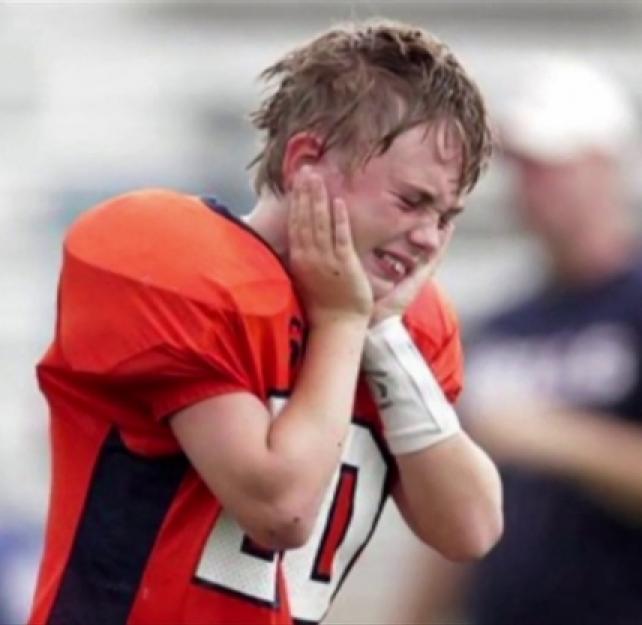
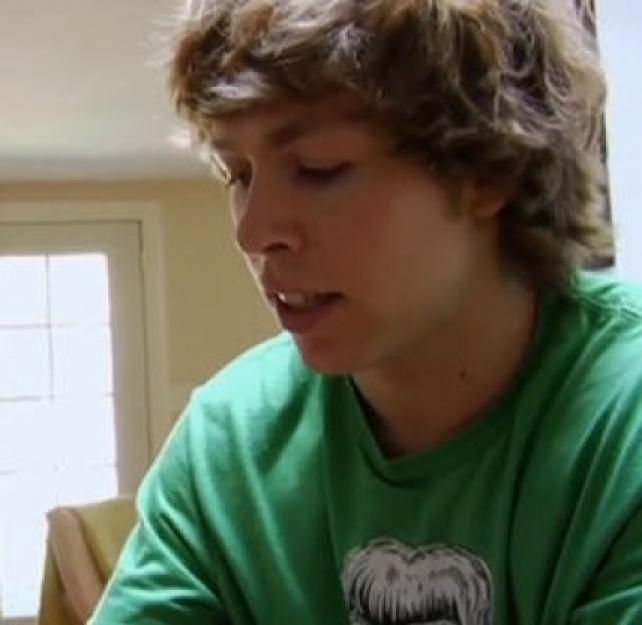
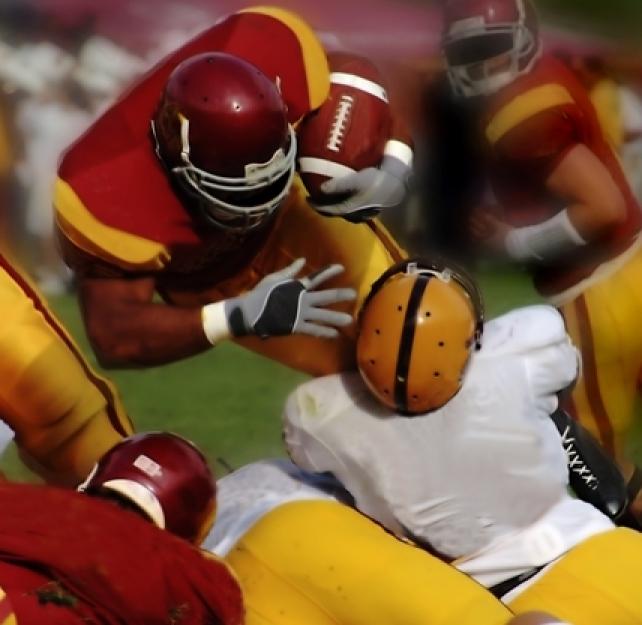
Connor Martin and his family donated his brother Kevin Ash's and evidence of CTE was discovered, a condition that can only be diagnosed after death. Kevin's family encourages others to donate as well so we can learn more about brain injuries and CTE.
Veteran Morgan Luttrell doesn't regret his military service, despite all the dangers he knew about going in. But the more we learn about the brain, the we can help prevent or repair those injuries to the brain.
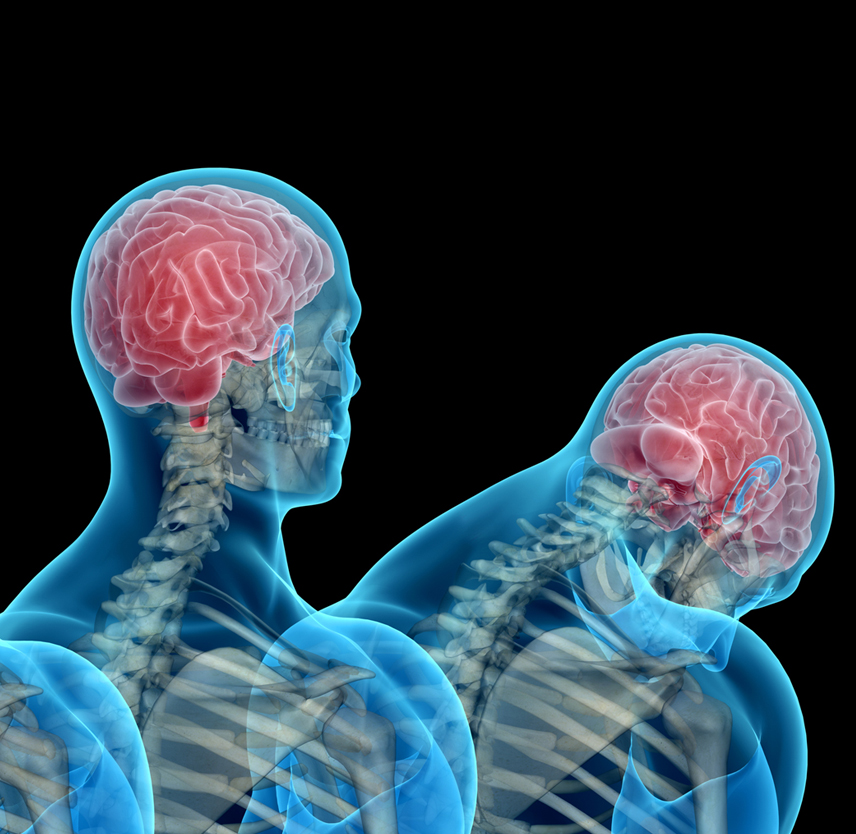
The way our head and neck are positioned during a head-on impact may significantly affect the risk of concussion — but tensed up neck muscles seem to offer far less protection.
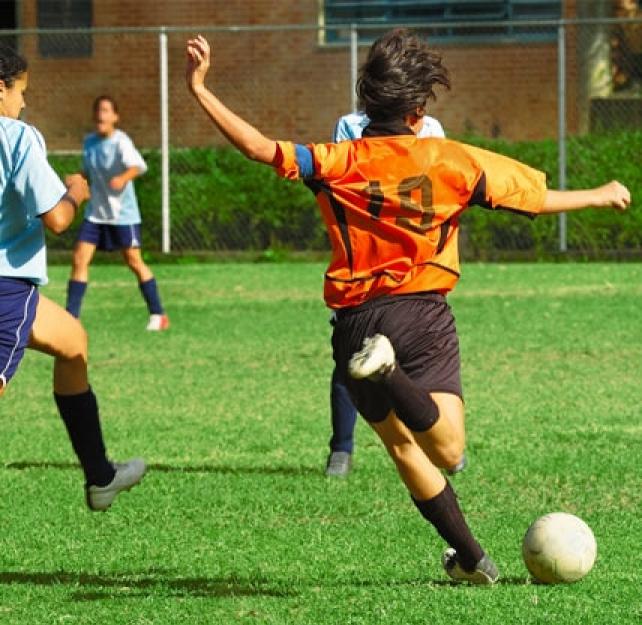
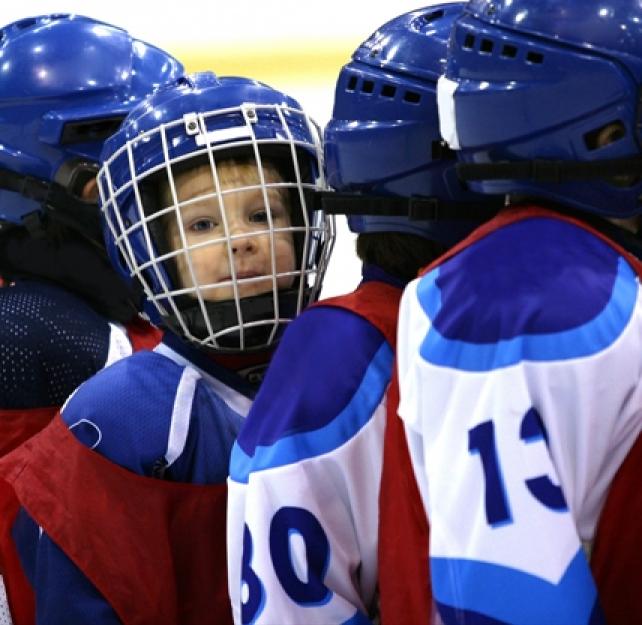
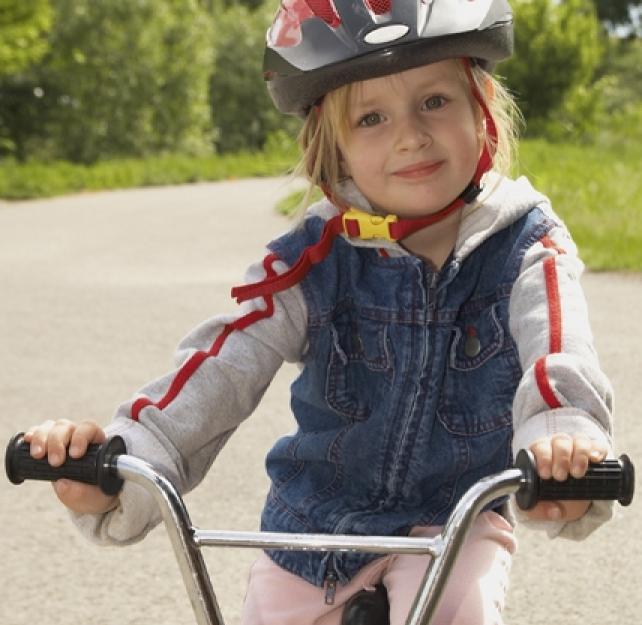
In whatever sport a child chooses, to feel more comfortable and confident with their participation as it relates to concussion risk, parents must do their homework and ask questions of the league and coaches about how they handle head safety.
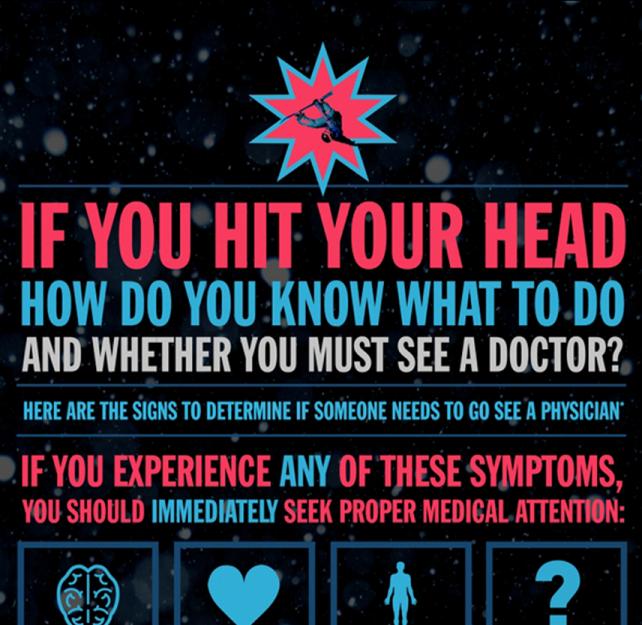
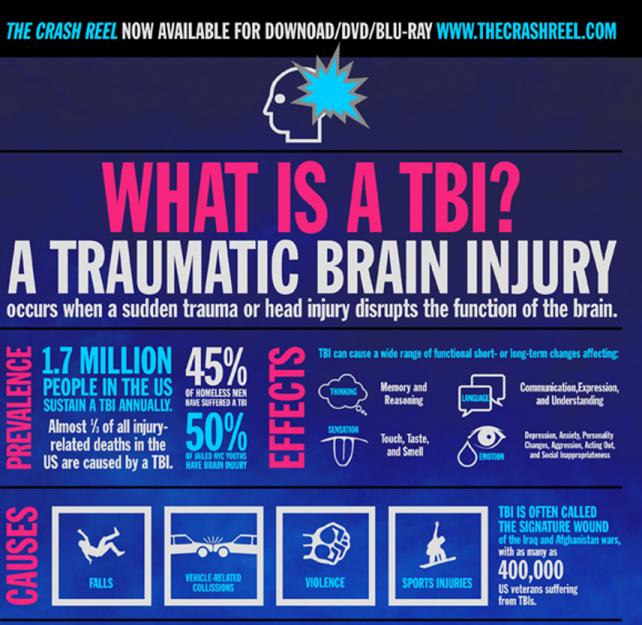
Learn to recognize if you need to go to the hospital from a hit to the head from this infographic from retired snowboarder Kevin Pearce's LoveYourBrain campaign.
Dr. Robert Cantu talks about ways kids can use simple resistance exercises to strengthen their neck muscles, which in turn helps them be less vulnerable to concussion.
Your home may be filled with fall hazards, so take a look around every room. There are easy preventative measures you can take to prevent falls and eliminate hazards.
Like treating heart disease before a heart attack, says Michael Roy, MD, Col. (Ret.), treating symptoms like anxiety and hypervigilance before they may become part of a full PTSD diagnosis makes the most sense.