Use the filters to browse the information we have available or to narrow your search results for a specific audience (e.g. caregivers, military, children), a preferred type of content (e.g. videos, blogs, articles), or by topics of interest (e.g. family concerns, legal issues, symptoms).
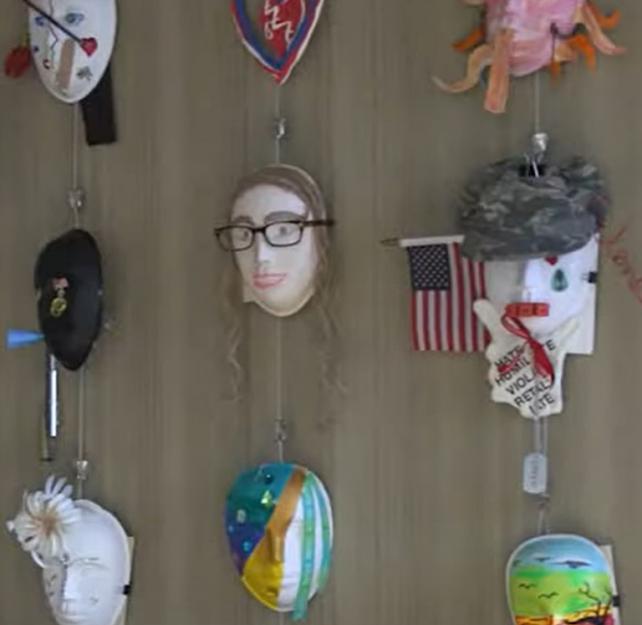
Showing the fronts and backs of masks made by veterans with PTSD and TBI, Art Therapist Stephanie Clark talks about how through the process of making, a veteran can process and better understand their traumas.
This training is designed for anyone interested in learning about how the brain operates, what happens when it’s injured, and how yoga and meditation can be used for healing.
Creating individualized treatment plans for veterans is crucial as they may be experiencing symptoms from PTSD, TBI or other concussive injuries as well as moral injury. Often, soldiers enter a war in their late teens or early 20s when their brain has not yet reached full maturation. Providers must consider all of a veteran’s physical and psychological factors when tailoring treatment strategies.
The jury is still out on the exact ways that repeated blast injuries affect the brain. Some believe that the blast waves travel through the organs, producing a change in the gray-white matter of the brain. Others believe that blast-related injuries produce a unique pathology while others still think that the pathological signals from these injuries result in behavioral disturbance. But all researchers seem to agree that repeated blast-related injuries affect a person’s brain in the short-term as well as in the long-term with the risk of neurodegenerative disease.
Researchers and doctors are learning more about how blast injuries, especially if repetitive and sustained close together, can affect the brain far more significantly than a singular blow to the head as from football, boxing, or a car crash. When treating veterans and service members, clinicians in the Home Base program start by taking an in-depth TBI history starting from childhood to the present. The more they understand the mechanism, frequency, and interval between any sustained injuries, the more pointed their treatment can be.
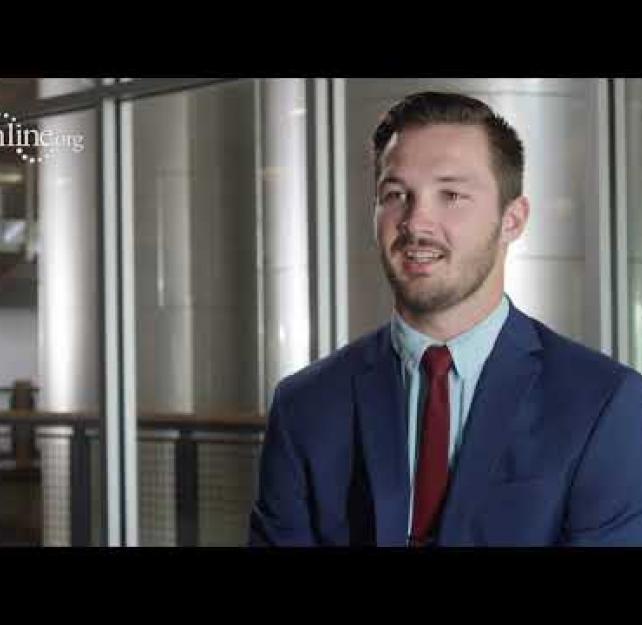
Connor Martin and his family donated his brother Kevin Ash's and evidence of CTE was discovered, a condition that can only be diagnosed after death. Kevin's family encourages others to donate as well so we can learn more about brain injuries and CTE.
Would Connor Martin's brother, veteran and athlete Kevin Ash, have lived his life differently if he'd know more about traumatic brain injury? Connor doesn't think so. But Connor knows the dangers now and he tries to make things safer when he's active.
Connor Martin believes that donating his brother Kevin Ash's brain made a difference in how his family coped with Kevin's altered behavior and death after receiving traumatic brain injuries (TBIs).
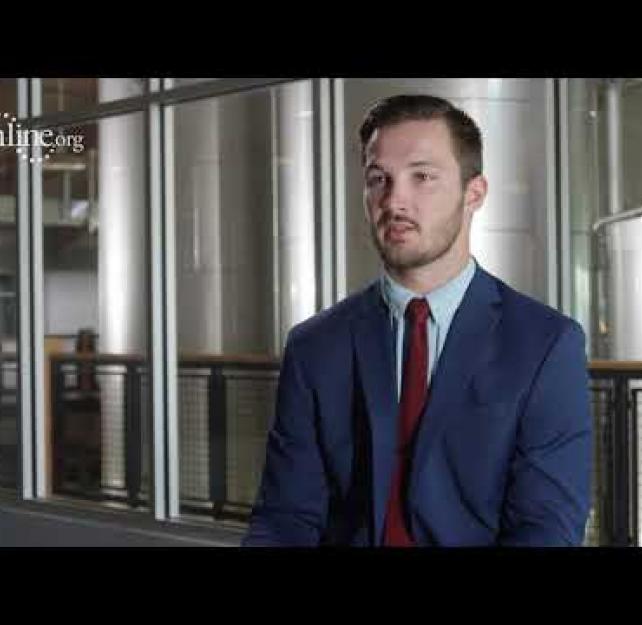
Veteran Kevin Ash suffered blast injuries during his deployment, but it was a rugby tackle that put him in a coma. His brother Connor Martin said that when Kevin work up he had lost both hearing and sight but the family accepted these changes as the "new normal."
Connor Martin's brother, veteran Kevin Ash, fell into a coma after receiving a traumatic brain injury. After he woke up, though, his family discovered he had lost his sight and hearing which cost him a lot of independence. But his family fought to keep him active and engaged with life.
Kevin Ash, a veteran, felt strongly about helping others. His brother Connor Martin knows Kevin would be proud to continuing helping others even after his death by raising awareness of TBI, CTE, and brain donation.
Connor Martin's brother, veteran and athlete Kevin Ash, received a traumatic brain injury (TBI) that put him in a coma. Once he came out of it, though, he didn't seem able to communicate with Connor. It took some investigating to find out why.
While Connor Martin's brother, veteran and athlete Kevin Ash, was stated to come out of his coma there were precious moments for his family, even amidst the difficulties.
Connor Martin's brother Kevin Ash sustained blast injuries during his deployments. When he returned to the States he found comradery by joining a rugby team. Unfortunately, a simple tackle resulted in a coma and significant large term effects.
Connor Martin was only 17 when his brother Kevin Ash had his last accident. Connor had spent his life looking up to Kevin and now his brother was unreactive in a hospital bed.
Connor Martin's brother, veteran and athlete Kevin Ash, returned from his deployments changed. He sought help and his mother fought for him, but they never found what he needed.
When he returned from his first deployment Connor Martin's brother Kevin Ash wasn't the same. Even though Connor was young he recognized Kevin's increasing anger and isolation.
Connor Martin talks about donating his brother Kevin Ash's brain for study. Kevin was a veteran and an athlete who began exhibiting personality changes and his family wanted to understand what had happened, even if it was after his death.
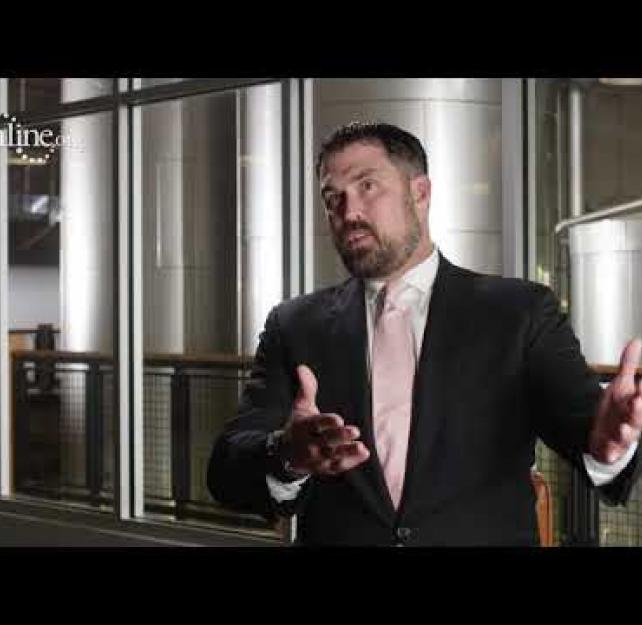
Transitioning from military to civilian life can be jarring and can sometimes lead to suicide, but veteran Morgan Luttrell says to stick it out. Take the reins, find the help you need, and commit to it.
Veteran Morgan Luttrell doesn't regret his military service, despite all the dangers he knew about going in. But the more we learn about the brain, the we can help prevent or repair those injuries to the brain.
Veteran Morgan Luttrell wasn't interested in focusing his studies on brain injuries, but he quickly became a resource for those who had questions. Soon he was helping others by sharing his experiences and connections.
Veteran Morgan Luttrell believes the Department of Veteran's Affairs (VA) is not built to handle the complex symptoms and treatments related to brain injury. Will they catch up or go under?
Veteran Morgan Luttrell traveled the country looking for help after the injuries to his brain and body. He found the most with Dr. James Kelly at the National Intrepid Center of Excellence (NICoE). They provided him with a whole picture and a plan.