Use the filters to browse the information we have available or to narrow your search results for a specific audience (e.g. caregivers, military, children), a preferred type of content (e.g. videos, blogs, articles), or by topics of interest (e.g. family concerns, legal issues, symptoms).
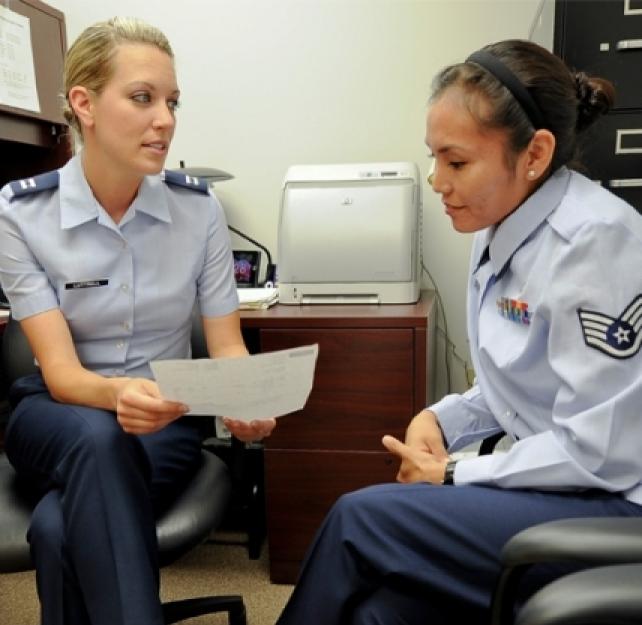
Bryan, who deployed to Iraq in 2009 as a psychologist in the Air Force started to view active-duty suicide as “death by a thousand paper cuts,” he says.
Social isolation and loneliness are increasingly becoming societal problems, as they contribute to polarization and affect our physical health. Mental health professionals, community advocates and health-care providers have been raising the alarm about this impending crisis.
“Long COVID is an umbrella term for the many post-acute consequences that result from COVID-19. The more we learn, the more we see that COVID-19 can affect nearly every organ in the body — from the heart and brain to the lungs, kidneys, skin, and gastrointestinal (GI) tract. We are still learning, but we need to listen to our patients, validate their experiences, and treat their symptoms.”
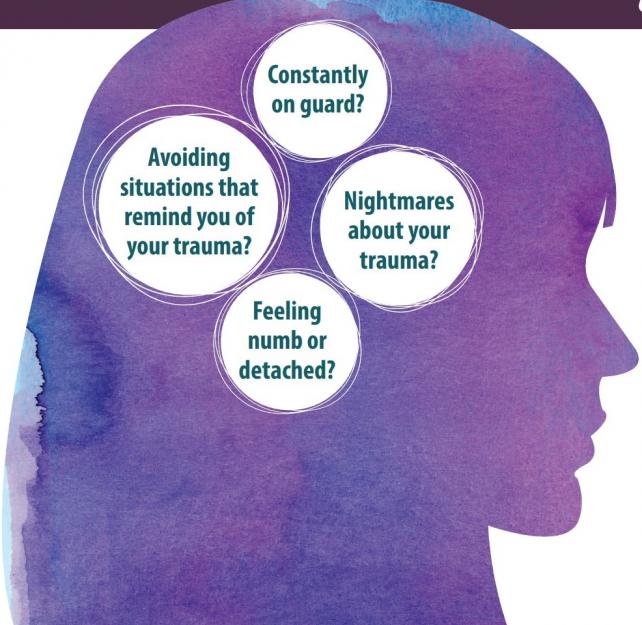
Trauma can be a strange and often insidious beast. We can be traumatized by directly being impacted by an event like a violent physical attack, a rape, a natural disaster, or an experience in combat, but we can also be traumatized indirectly by caring for, hearing about, or witnessing the intense suffering of others. Both the direct and indirect impact of traumatic events can lead to post-traumatic stress disorder (PTSD).
For accountants, it’s tax time; for teachers, it’s September. And for therapists, the busiest time of year is the holidays. Every therapist knows that the winter holiday season is rife with pain, angst and grief.
Todos los años, hay niños y adolescentes que están expuestos a acontecimientos catastróficos y otras experiencias traumáticas. Los padres de familia, los socorristas y los miembros de la comunidad en general pueden ayudar a los niños a iniciar el proceso de recuperación y a superar estas experiencias.
Trauma is common in women; five out of ten women experience a traumatic event. Women tend to experience different traumas than men. While both men and women report the same symptoms of PTSD (hyperarousal, reexperiencing, avoidance, and numbing), some symptoms are more common for women.
Luego de sufrir un trauma, los sobrevivientes a menudo dicen que su primera sensación es sentirse aliviados por estar vivos. Esto podría estar seguido por estrés, miedo e ira. Los sobrevivientes de un trauma también podrían descubrir que son incapaces de dejar de pensar en lo que ocurrió. Muchos sobrevivientes presentan un alto grado de alerta, lo que hace que reaccionen intensamente ante los sonidos e imágenes a su alrededor.
Most people have stress reactions after a trauma. Having such a reaction has nothing to do with personal weakness. Stress reactions may last for several days or even a few weeks. For most people, if reactions or symptoms that feel like PTSD occur, they will slowly decrease over time.
Acute stress disorder (ASD) is a mental disorder that can occur in the first month following a trauma. The symptoms that define ASD overlap with those for PTSD.
Anger and irritability are common side effects of a brain injury. They’re heightened when we view other’s actions through a negative lens. Here are some strategies to help reduce anger, irritation, and aggression. Sometimes it helps to PAUSE before you react:
Up to 40% of people with brain injury experience related vision disorders. Some vision-related issues can be permanent; others resolve quickly. Here's what you need to know.
For people recovering from a traumatic brain injury, sleep is especially important, but people with brain injury often have trouble getting the quantity and quality of sleep they need.
Memory is the brain taking in, keeping, recalling, and using information. A brain injury can affect any of these facets of memory. And it can also make it hard to learn and remember things.
Veterans who sustained a traumatic brain injury (TBI) may be suffering from a range of symptoms. Learn how to cope using these strategies and resources.