Use the filters to browse the information we have available or to narrow your search results for a specific audience (e.g. caregivers, military, children), a preferred type of content (e.g. videos, blogs, articles), or by topics of interest (e.g. family concerns, legal issues, symptoms).
Bryan, who deployed to Iraq in 2009 as a psychologist in the Air Force started to view active-duty suicide as “death by a thousand paper cuts,” he says.
“Long COVID is an umbrella term for the many post-acute consequences that result from COVID-19. The more we learn, the more we see that COVID-19 can affect nearly every organ in the body — from the heart and brain to the lungs, kidneys, skin, and gastrointestinal (GI) tract. We are still learning, but we need to listen to our patients, validate their experiences, and treat their symptoms.”
Trauma can be a strange and often insidious beast. We can be traumatized by directly being impacted by an event like a violent physical attack, a rape, a natural disaster, or an experience in combat, but we can also be traumatized indirectly by caring for, hearing about, or witnessing the intense suffering of others. Both the direct and indirect impact of traumatic events can lead to post-traumatic stress disorder (PTSD).
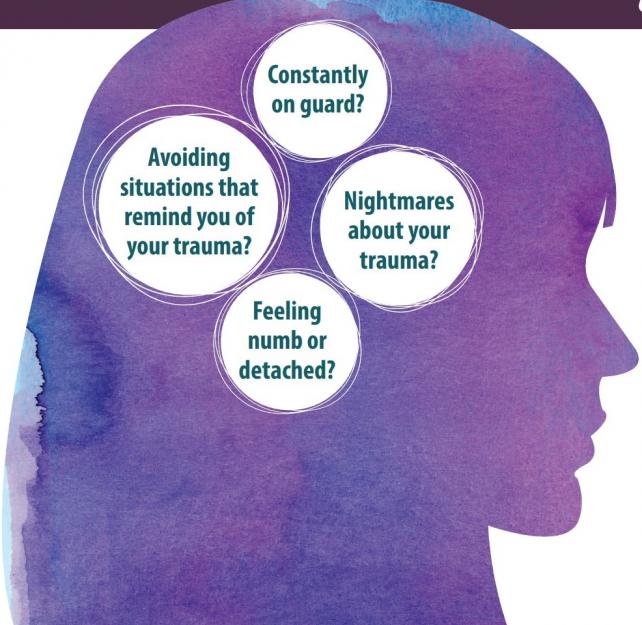
Trauma is common in women; five out of ten women experience a traumatic event. Women tend to experience different traumas than men. While both men and women report the same symptoms of PTSD (hyperarousal, reexperiencing, avoidance, and numbing), some symptoms are more common for women.
Most people have stress reactions after a trauma. Having such a reaction has nothing to do with personal weakness. Stress reactions may last for several days or even a few weeks. For most people, if reactions or symptoms that feel like PTSD occur, they will slowly decrease over time.
Acute stress disorder (ASD) is a mental disorder that can occur in the first month following a trauma. The symptoms that define ASD overlap with those for PTSD.
Memory is the brain taking in, keeping, recalling, and using information. A brain injury can affect any of these facets of memory. And it can also make it hard to learn and remember things.
Many people who sustain a brain injury experience problems with their ability to think, plan, concentrate, and remember. Some cognitive symptoms may appear right away, while others can arise long after the injury.
CRT may be like the proverbial elephant — it feels different to different people depending on their circumstances and perspective. But, it may be essential to quality of life for people with TBI.
Use classroom performance, not global scores on intelligence and achievement testing, as your guide to instructional objectives and modifications for kids with TBI.