Use the filters to browse the information we have available or to narrow your search results for a specific audience (e.g. caregivers, military, children), a preferred type of content (e.g. videos, blogs, articles), or by topics of interest (e.g. family concerns, legal issues, symptoms).
Questions to ask about your loved one's rehabilitation program after a moderate to severe brain injury — questions about the rehab program and rehab team, the role of the family in rehab, addressing behavioral problems and cognitive impairments, paying bills, planning for discharge and daily life.
Selecting a rehab facility is a crucial decision. It should not be rushed. There are hundreds of rehabilitation programs. They vary considerably in the philosophy, quality, and variety of the services they offer.
In an ideal world, rehabilitation begins as soon as the survivor is medically stable. No patient should be kept in an acute hospital setting or a nursing home any longer than necessary. Combining the brain’s natural healing process with rehabilitative therapy is crucial to the success of one’s recovery.
All survivors of a serious brain injury acquire a mix of lifelong impairments, but through hard work, they can regain some abilities lost to their injuries. How is this possible?
Post-traumatic amnesia is a state of awareness survivors pass through on their way from a coma to full consciousness. Many survivors, when they begin rehabilitation, are going through post-traumatic amnesia.
La EP le enseña a acercarse gradualmente a los recuerdos relacionados con su trauma, los sentimientos y las situaciones que ha estado evitando desde su trauma.
The essential therapeutic and medical components of TRR programs that promote restoration of function, participation in meaningful activities and significant life roles, and improve life satisfaction and quality of life.
When a person sustains a brain injury, they and their family are thrust into a health care system that is unfamiliar and difficult to navigate. Too often, patients do not have access to the full continuum of treatment. This article addresses why that is so and ways to change it.
As a school nurse you are a key member of the school-based return to learn (RTL) concussions management team. Here is what you need to know about HIPAA and Student Health Records.
The losses due to a brain injury are “moving targets” which continue to change over a long period of time: thus the losses are “mobile.” The injured individual and their family can't fully grieve lost abilities because there is no way to know which abilities are lost forever and which will eventually return.
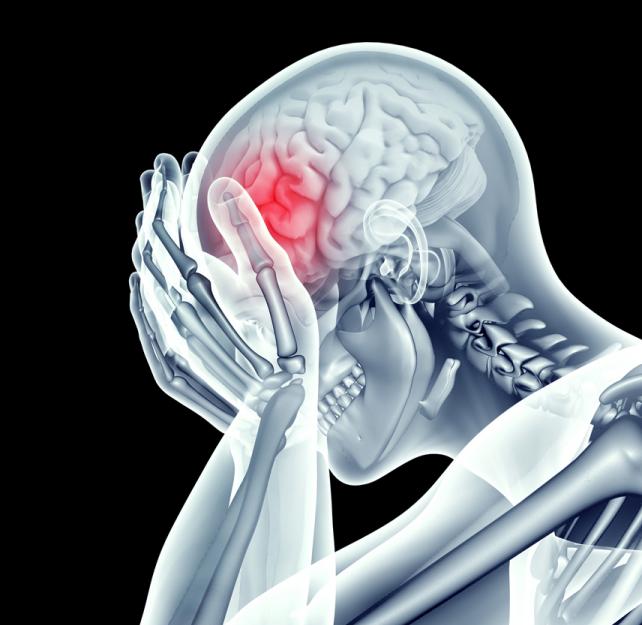
A jolt to your head also causes a jolt to your neck, headaches with neck pain are the most common types of pain after a TBI. About 50% of people with a TBI suffer from headaches.
Approaches that bridge the basic neuroscience of neural-cognitive functioning with the practical realities of clinical rehabilitation are valuable for intervention development, potentially opening the way for therapies that target biological systems and synergistically augment the specific effects of training.
The estimated burden of moderate and severe brain injury on public health and key policy strategies to address the long-term consequences of brain injury.