Use the filters to browse the information we have available or to narrow your search results for a specific audience (e.g. caregivers, military, children), a preferred type of content (e.g. videos, blogs, articles), or by topics of interest (e.g. family concerns, legal issues, symptoms).
My husband is a vet with PTSD and will not stop playing video games … he stays up all hours of the night. Should I be worried? Dr. Klassen answers your questions about mental health treatment.
"I used to think that if I was quiet as a mouse, my Mommy would be okay, but that’s not true. My Mom has PTSD." Read this book, written for kids who have a mom with PTSD.
COVID-19 has left many caregivers struggling with the emotional pressures of isolation. Nicole remembers a pivotal conversation about the inevitability of change and offers some advice on ways to find some comfort and calm in these difficult times.
In learning the stories of other TBI survivors and caregivers, I feel an immediate kinship, a sense of connectedness to those with a shared experience. But there is also a downside.
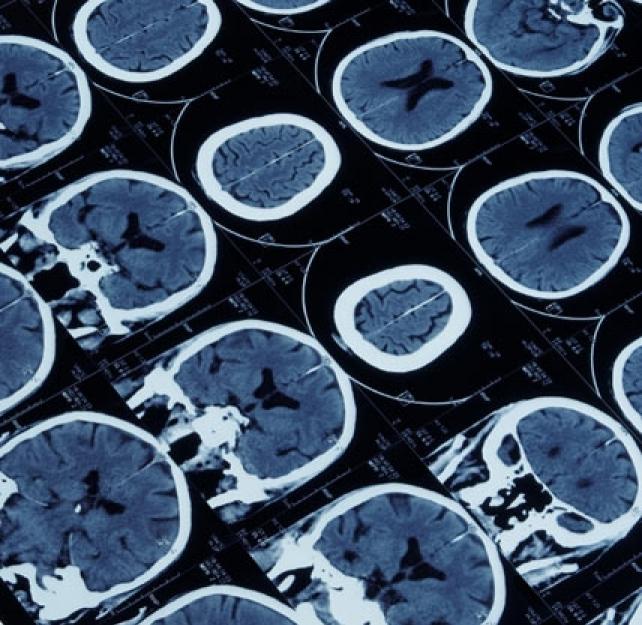
Patients who have right parietal damage and suffer from left hemineglect will often copy only the right half of a drawing, eat the food off only the right side of their plate and disown their left limbs.
In the past ten years, I found myself laughing when I thought of Hugh’s pre-injury days—those glorious days when I thought I was so busy and hectic. Once the dreaded accident phone call came and I rushed to the emergency room, I discovered what busy was all about.
April 13, 2002 started like any other Saturday morning for the Rawlins family. In her blog, Rosemary talks about the phone call that changed everything.
It's important to care of yourself so that you can help others who are important to you and to effectively deal with the losses and changes you are facing. Take this quiz to see where you rate in self-care.
Creating a feeling of community, inclusion, and understanding is part of the power of support groups. The holiday season illustrates just how impactful that support can be.
A paradox is something that seems like there is no way that it could be true. Like the Combat Addiction paradox: I hate war, but I love combat. Both of those things are true, but they seem like they shouldn’t be.
“I’m sorry your life got ruined,” a well-meaning friend sympathized one day. Her words landed like bricks. Wait, I thought to myself, was she right? Was my life really ruined? Was I the last to know of my own obvious fate?
Recovery from a TBI involves personal commitment and a tremendous amount of time, along with contributions from family and friends. The most important part in most of these cases begins with caregivers – whom I consider angels.