Use the filters to browse the information we have available or to narrow your search results for a specific audience (e.g. caregivers, military, children), a preferred type of content (e.g. videos, blogs, articles), or by topics of interest (e.g. family concerns, legal issues, symptoms).
Patients who suffer from traumatic brain injuries (TBI) often need a great deal of healthcare services after the injury, but the extent of care utilization is unknown. A new study from research scientists affiliated with the U.S. Department of Veterans Affairs (VA), Regenstrief Institute and IUPUI is one of the first to analyze how much care TBI patients use and identify areas of unmet need.
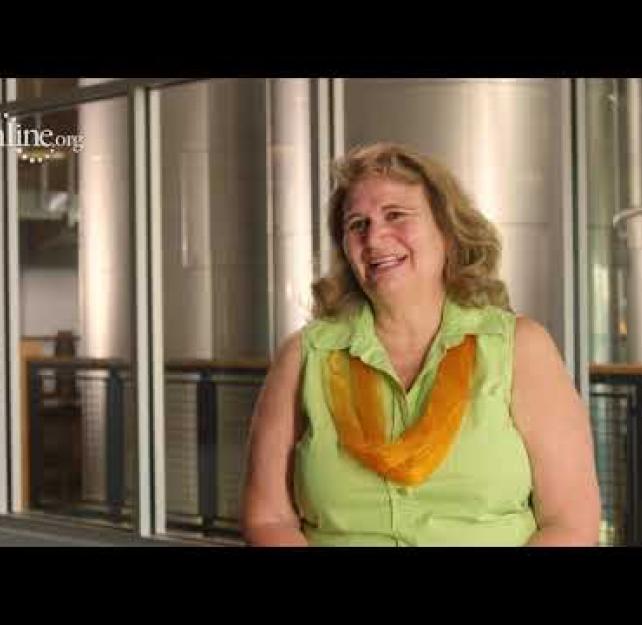
After her brain injury, Kristi Kragthorpe had to give up the classroom. The sounds, smells, and speed no longer fit with her new post-TBI lifestyle. But Kristi found a new way to educate others - sharing her knowledge of apps.
Kristi Kragthorpe knew she had cognitive issues after her brain injury but struggled to find the help she needed. Without support from her doctor she had to take matters in to her own hands, which wasn't easy.
Kristi Kragthorpe uses smartphone apps as aids to help make her life easier after brain injury, but she makes sure not to overwhelm herself with too many.
Kristi Kragthorpe only used her phone for texts and phone calls until she saw how powerful smartphone apps could be in helping her manage her post-TBI life.
A documentary film about isolation, art, and transformation after brain injury. Co-directed by a peer with TBI, this film takes you into the hearts of three artists and demonstrates how art can be a bridge back to a sense of self-pride and to the community. The psychosocial consequences of TBI can be some of the harshest and most misunderstood.
Many people with a brain injury lose their social connections. In this video three people with TBI bring their experiences of social isolation, stigma, and difficulties with communication to this short comedy film.
Many people with a brain injury lose their social connections. In this video three people with TBI bring their experiences of social isolation, stigma, and difficulties with communication to this short comedy film.
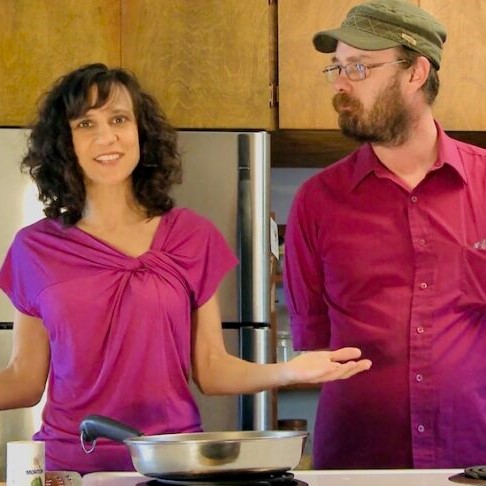
This short film from 2011 looks at daily struggles of life after TBI with dark, honest humor. It's a TV cooking show where the cooks are stymied by a piece of salmon and their own unpredictable obstacles.
This short film from 2011 looks at daily struggles of life after TBI with dark, honest humor. It's a TV cooking show where the cooks are stymied by a piece of salmon and their own unpredictable obstacles.
Karl Kajomo Moritz faced the ultimate life change when he was bicycle commuting home from work in 2010 and was hit head on by a car and spent five weeks in a coma. He woke up with a TBI and developed a healing plan with healthy eating, acupuncture, speech therapy, neurofeedback, and high cardio velodrome track riding.
Karl Kajomo Moritz faced the ultimate life change when he was bicycle commuting home from work in 2010 and was hit head on by a car and spent five weeks in a coma. He woke up with a TBI and developed a healing plan with healthy eating, acupuncture, speech therapy, neurofeedback, and high cardio velodrome track riding.
Service Members and Veterans can demonstrate their genuine concern for others by being aggressive or mean, either to help improve others or to protect others from the veteran’s own pain.
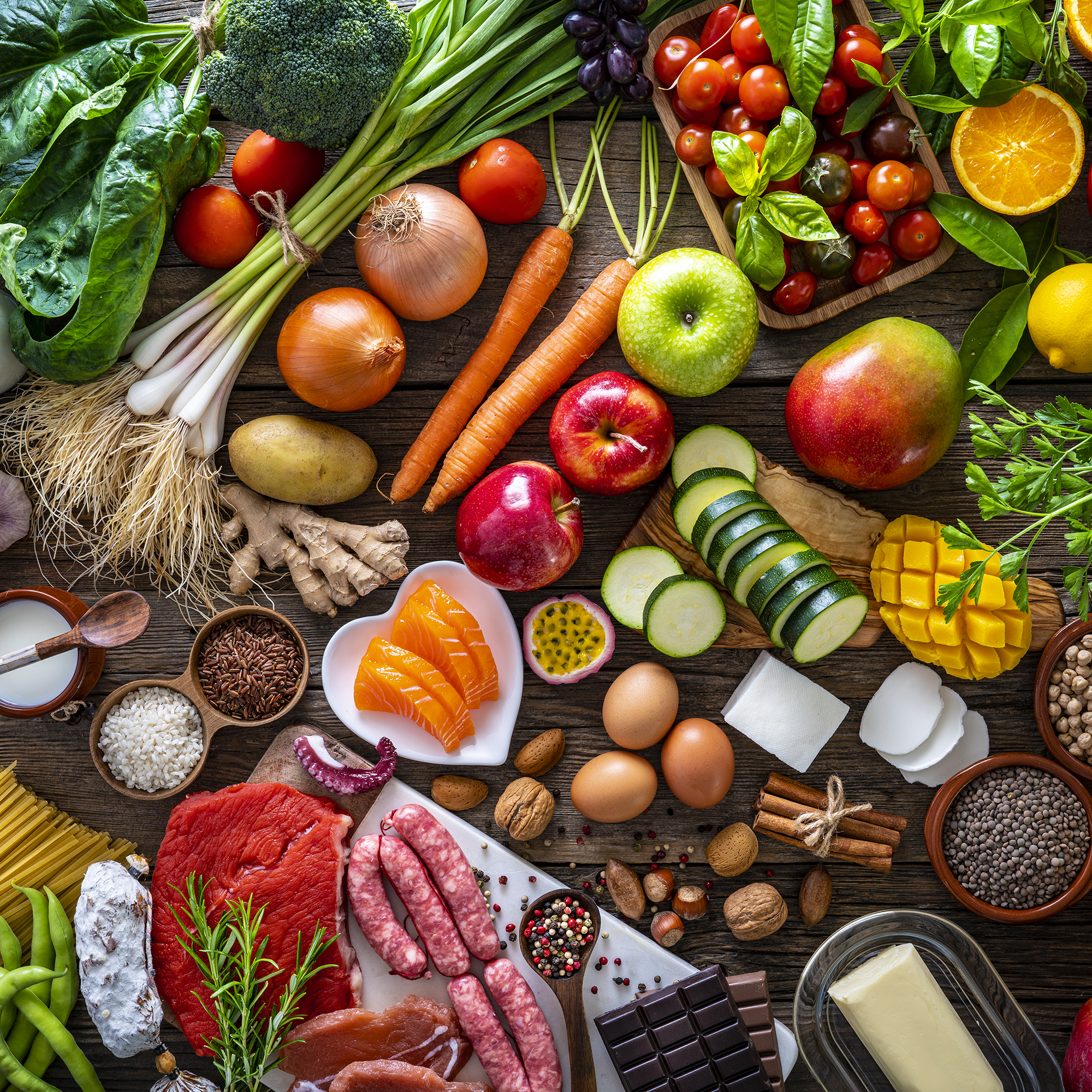
How does a traumatic brain injury affect the way you cook and eat? Filmmaker Cheryl Green, who has a brain injury, satirizes her own experiences in the kitchen in a short video called “Cooking With Brain Injury.”
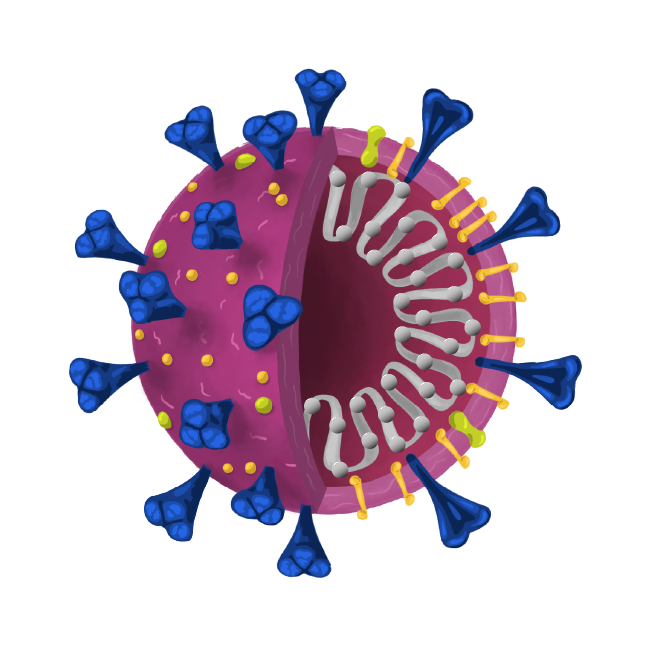
Patients with COVID‐19 often suffer from psychological problems such as post‐traumatic stress disorder (PTSD) and self‐stigmatization that may negatively impact their quality of life and sleep. This study examined mental health as a potential mediating factor linking self‐stigmatization and PTSD to quality of life and sleep.
While five years may sound like a long time, I know today that I was still such a TBI Newbie. At some point, just before my five-year anniversary, I learned through our statewide Brain Injury Association that it was at five years that most people reached out for help.
Service members and veterans are experts at calculating and mitigating risks in the military but engage in high-risk behaviors outside of the military environment
Experts tell us that for some people, the basics of a good diet, exercise, and sleep may do as much or more to improve your TBI or your PTSD as other treatments.