Use the filters to browse the information we have available or to narrow your search results for a specific audience (e.g. caregivers, military, children), a preferred type of content (e.g. videos, blogs, articles), or by topics of interest (e.g. family concerns, legal issues, symptoms).
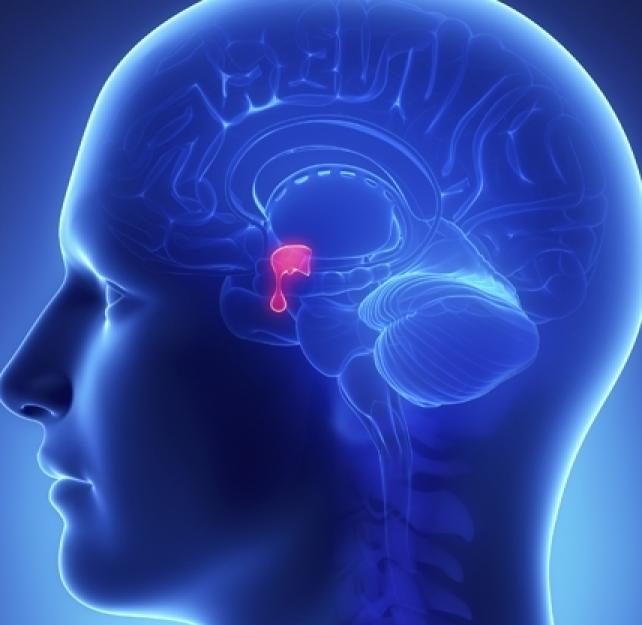
Symptoms of hypopituitarism — a condition in which the pituitary gland does not produce normal amounts of some or all of its hormones — would most likely show up soon after a TBI.
More than 50 percent of people suffer from chronic pain disorders in the years following a brain injury. Getting the right treatment can be complex, but doable.
"Ladies and Gentlemen, this is your Captain speaking. If you have had a TBI, prepare for a very short flight. The rest of you, well, make yourself comfortable for the next few hours."
Dr. Jack Tsao says that, to date, there is no research showing that TBI directly causes PTSD but there may be a higher likelihood of someone with TBI developing PTSD.
Age, gender, time since injury, independence in activities of daily activities, depression, and self-esteem all played a role in issues of sexuality following a brain injury.
Traumatic brain injury makes quirky seem quirkier, especially when a person is in the initial months of recovery. Rosemary learned that Hugh's loss of his sense of smell came with both dangers and quirkiness.
Dr. Amy Wagner talks about seizures — a common complication after a brain injury, especially one that is more severe or from a penetrating injury — and how and why they develop after injury.
"I don't measure how far I have come by goals achieved .... For me, what counts is that pain no longer rules my life," so writes Iraq veteran Derek McGinnis.