Use the filters to browse the information we have available or to narrow your search results for a specific audience (e.g. caregivers, military, children), a preferred type of content (e.g. videos, blogs, articles), or by topics of interest (e.g. family concerns, legal issues, symptoms).
Luego de sufrir un trauma, los sobrevivientes a menudo dicen que su primera sensación es sentirse aliviados por estar vivos. Esto podría estar seguido por estrés, miedo e ira. Los sobrevivientes de un trauma también podrían descubrir que son incapaces de dejar de pensar en lo que ocurrió. Muchos sobrevivientes presentan un alto grado de alerta, lo que hace que reaccionen intensamente ante los sonidos e imágenes a su alrededor.
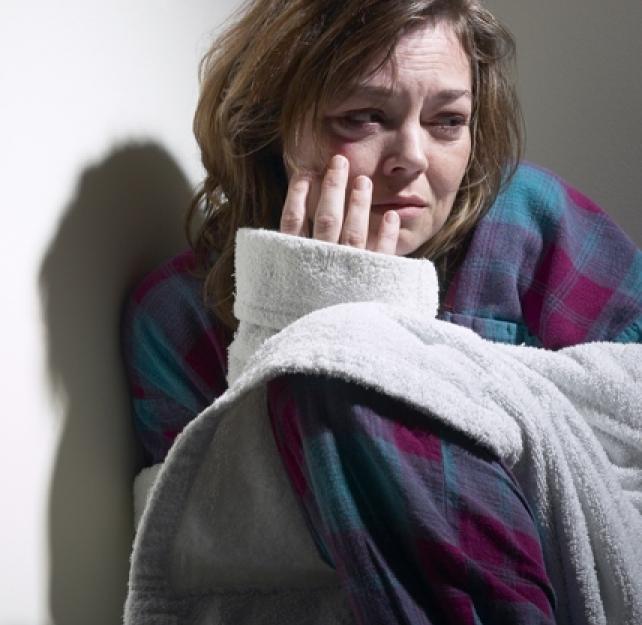
Most people have stress reactions after a trauma. Having such a reaction has nothing to do with personal weakness. Stress reactions may last for several days or even a few weeks. For most people, if reactions or symptoms that feel like PTSD occur, they will slowly decrease over time.
Women represent the fastest-growing segment of the veteran population – they make up 9% of the total veteran population in the U.S. (U.S. Census Bureau, 2019), and are projected to make up 16% of all living veterans by 2043 (National Center for Veteran Analysis and Statistics, 2017). Of warriors who completed the 2020 Wounded Warrior Project® (WWP) Annual Warrior Survey, 20% are women – a larger representation when compared to the general veteran population.
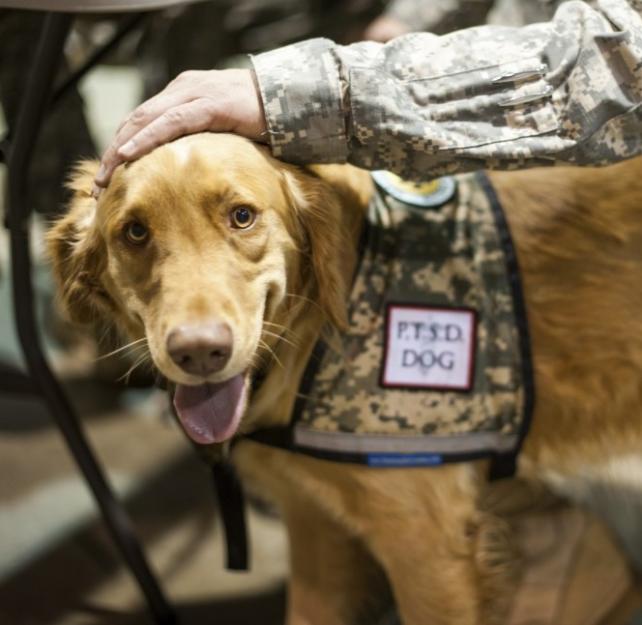
Owning a dog can lift your mood or help you feel less stressed. Dogs can help people feel better by providing companionship. All dog owners, including those who have posttraumatic stress disorder (PTSD) can experience these benefits.
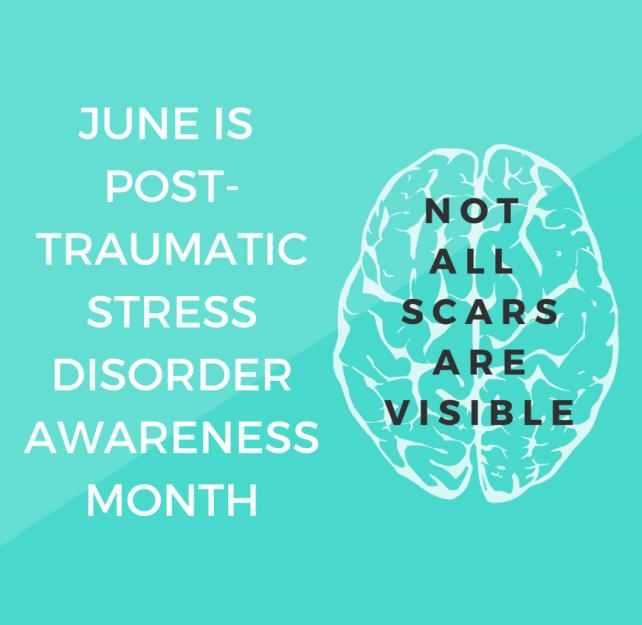
June is Post-Traumatic Stress Disorder (PTSD) Awareness Month, an observance intended to raise public awareness about issues related to the disorder, reduce ITS stigma, and help to ensure that those suffering from the disorder have access to proper care.
“During the pandemic, we have all been riding on the same water, but in different boats.” -- Tamar Rodney, PhD, MSN, RN, assistant professor, Johns Hopkins School of Nursing
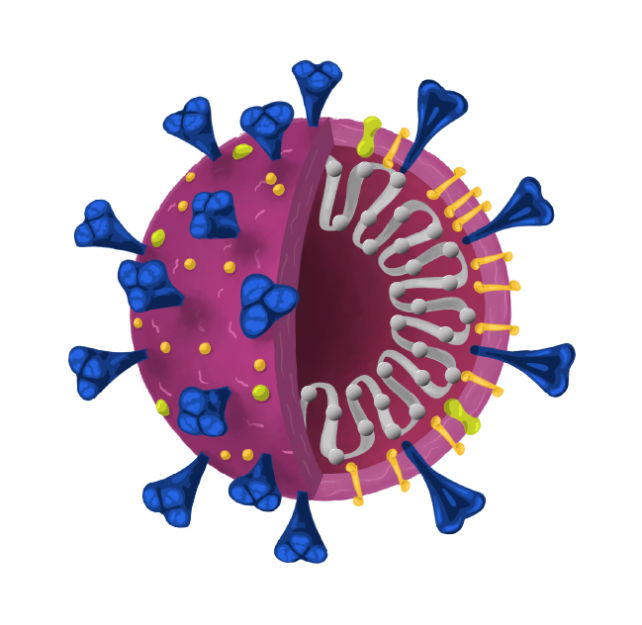
For those with PTSD, the pandemic may trigger or affect your PTSD symptoms. Learn how you may be affected and get tips on what to do if you need support.
BrainLine sat down with Dr. Edward C. Wright to discuss PTSD. Dr. Wright is a board-certified clinical psychologist in the Home Base Program of Massachusetts General Hospital, focused primarily on providing treatment for PTSD. He is also part of the Wounded Warrior Project’s® Warrior Care Network®, which helps veterans transition to civilian life. Dr. Wright spoke about PTSD and his use of cognitive-behavioral therapies to treat anxiety and depression.
This decision aid from the National Center for Posttraumatic Stress Disorder helps you learn about effective PTSD treatment options. You can read about the treatments or watch videos explaining how they work. You can even build a chart to compare the treatments you like most. At the end, you will get a personalized summary.
BrainLine sat down with Dr. Barbara Rothbaum, a professor in the Department of Psychiatry and Behavioral Sciences and director of the Trauma and Anxiety Recovery Program at Emory University School of Medicine and part of the Wounded Warrior Project’s® Warrior Care Network®. Dr. Rothbaum spoke about treating PTSD and her pioneering work in virtual reality exposure therapy.
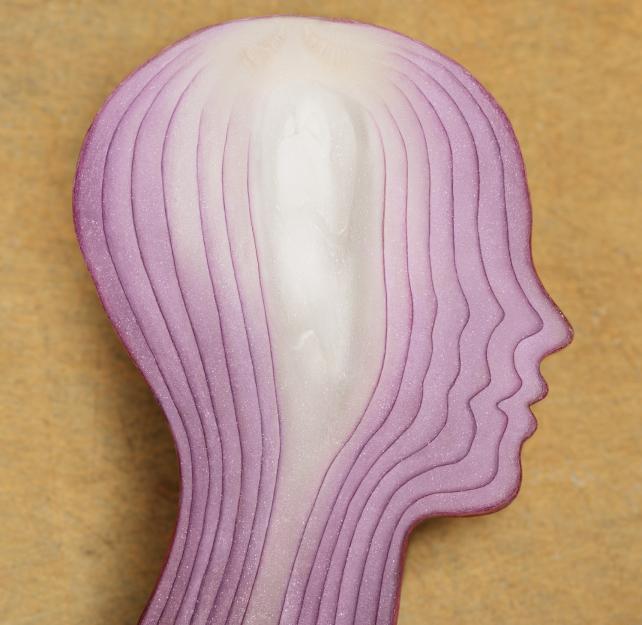
Scientists are now able to see that PTSD causes distinct biological changes in your brain. Not everybody with PTSD has exactly the same symptoms or the same brain changes, but there are observable patterns that can be understood and treated.
Sleep problems and post-traumatic stress disorder (PTSD) share a complicated relationship, so for those experiencing or at risk for this double whammy, as well as for those treating patients, it’s important to understand how they can influence each other in a cycle. Learn the connection between PTSD and sleep, the different ways to approach treatment, the therapies available, and explore the connection between trauma and nightmares.
Post-traumatic growth (PTG) means many who experience trauma can come out stronger as a consequence. Here are some positive changes you might see after trauma.
Generalized anxiety, panic disorder, and anxiety related to PTSD are common. An estimated 31 percent of U.S. adults experience anxiety at some point in their lives. Learn more.
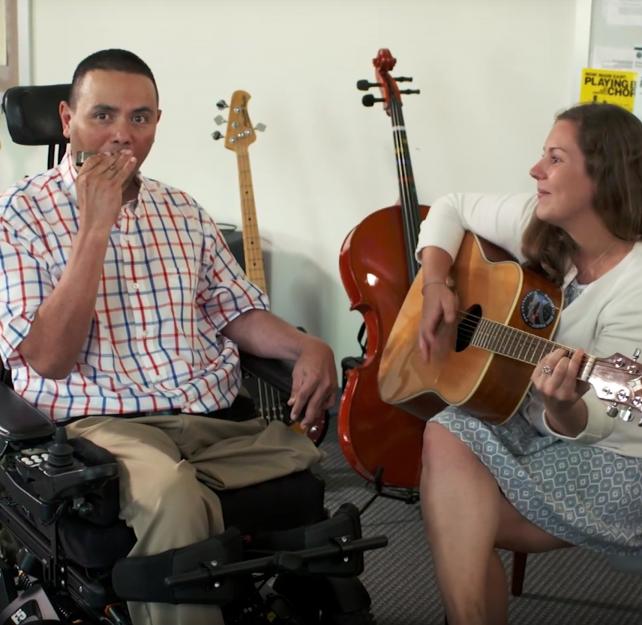
Music therapy is an evidence-based therapeutic application for the treatment of brain and psychological injuries such as TBI and PTSD. Substantial scientific evidence supports how and why music therapy works, but it also can be understood intuitively.
Medications that have been shown to be helpful in treating PTSD symptoms are some of the same medications also used for symptoms of depression and anxiety.
Leer una descripción sobre los tratamientos que han demostrado ser más eficaces para el TEPT. Esos tratamientos incluyen terapia de conversación y medicamentos.