Use the filters to browse the information we have available or to narrow your search results for a specific audience (e.g. caregivers, military, children), a preferred type of content (e.g. videos, blogs, articles), or by topics of interest (e.g. family concerns, legal issues, symptoms).
Her husband was different when he came home from his deployment. Jenna married the love of her life, Isaac, in the United States Navy. He returned home from Afghanistan a changed man. Jenna started feeling stressed out herself.
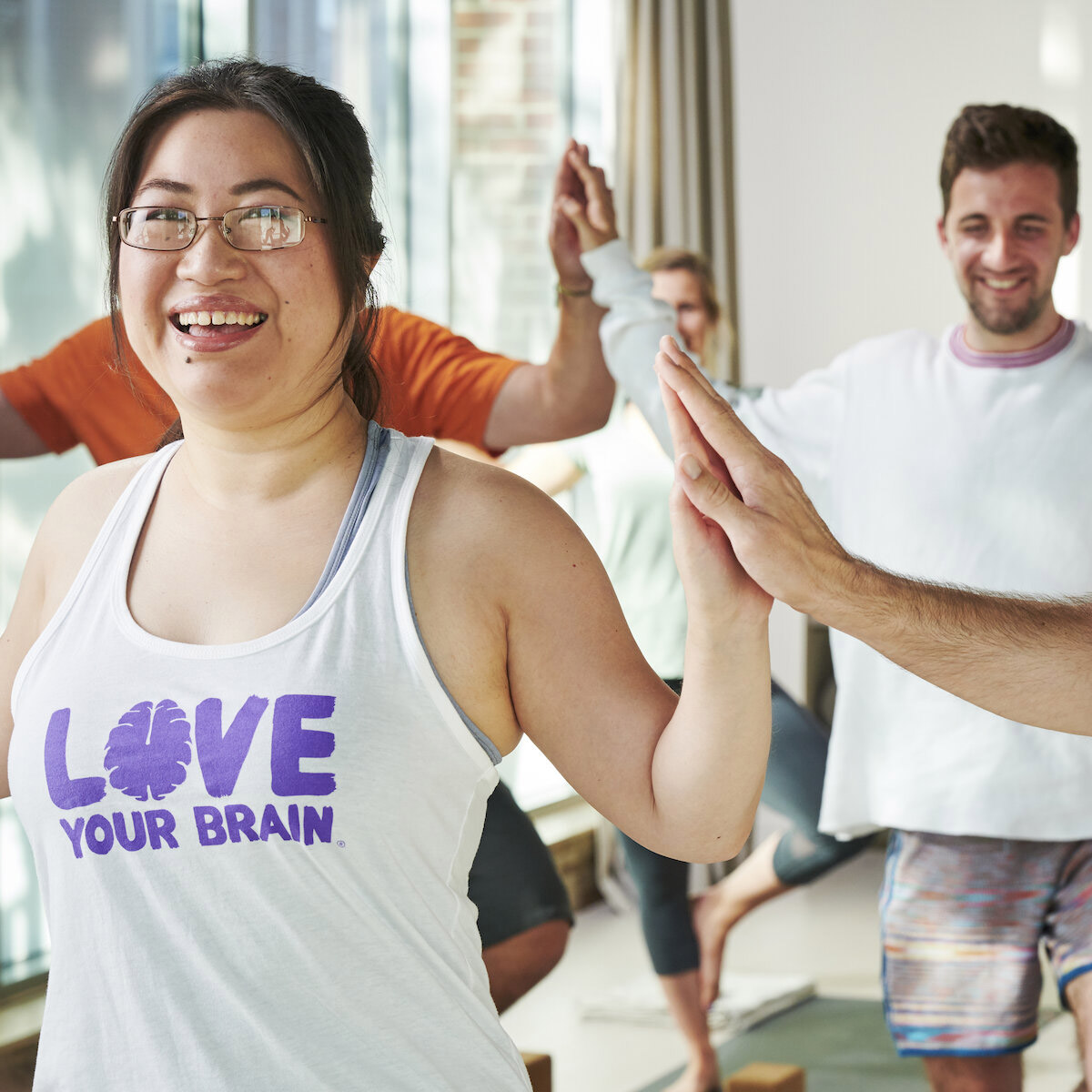
LoveYourBrain Retreats is a novel, free, five-day multimodal program designed to benefit people with traumatic brain injury (TBI) and their caregivers. This study showed the integration of mindfulness, gentle yoga, brain health nutrition, art therapy, and community is an effective rehabilitation model to improve quality of life and has significant potential for expanding access to complementary therapy after TBI.
Army veteran Victor Hurtado has had a very successful career as a musician, producer, and talent coach, but suffered from emotional challenges living with PTSD. It wasn’t until he met Holly that he began to find hope for greater happiness in his life.
Early on after my 2010 brain injury, "old-timers" in the brain injury survivor community told me that “it” would get better, but they never really told me what “it” was.
But this is how I’ve been feeling about the holidays this year. I just don’t want to. There is so much going on at home, at work, and in the world, and it’s all weighing heavily on my mind. There is just too much!
Picture a retaining wall — a structural feature that allows you to support landscaping and help prevent erosion. My retaining wall comes with its own definition because it is an emotional retaining wall that I — consciously, subconsciously, or both — constructed after my sons Aaron and Steven’s car accident in 2012.
It is with profound sadness that I share that someone very dear to me is nearing death. In fact, he may not still be with us by the time this is published. As one of the most cherished relationships in my life, his imminent death is kicking the legs out from underneath me.
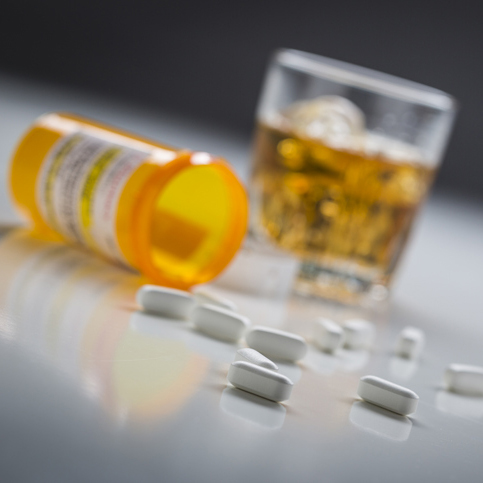
Survivors of abuse and trauma are vastly more likely than other people to develop alcohol use disorder (AUD); according to some estimates, as many as three-quarters of people with post-traumatic stress disorder (PTSD) report drinking problems. Now, Scripps Research scientists have identified a class of drugs that might break this link.
Thanksgiving is a uniquely American tradition that includes feasting and sharing all for which we are grateful. But this year, I’m just not feeling it. There’s too much weighing heavily on my mind.
Symptoms of mental disorders are common, are underrecognized, and contribute to worse outcomes after traumatic brain injury (TBI). Post-TBI, prevalence of anxiety disorders and prevalence of posttraumatic stress disorder (PTSD) are comparable with that of depression, but evidence-based treatment guidelines are lacking. The investigators examined psychotropic medication use and psychotherapy patterns among individuals diagnosed with anxiety disorders and PTSD post-TBI.
Veterans taking part in Warrior Care Network receive a year’s worth of mental health care during a 2-3 week intensive outpatient program (IOP) using evidenced-based treatments and alternative therapies.
Dr. Erin Fletcher describes what exactly happens at Wounded Warrior Project (WWP)'s Warrior Care Network, what types of treatments and other services are provided, and what the veteran and their family will experience.
After fighters' cessation of RHI exposure, cognitive function and brain thickness measures may stabilize and blood NfL levels may decline. This study could be a starting point to identify potential predictors of individuals who are at a higher risk of RHI-related long-term neurologic conditions.
“Long COVID is an umbrella term for the many post-acute consequences that result from COVID-19. The more we learn, the more we see that COVID-19 can affect nearly every organ in the body — from the heart and brain to the lungs, kidneys, skin, and gastrointestinal (GI) tract. We are still learning, but we need to listen to our patients, validate their experiences, and treat their symptoms.”
Doing something kind for another person, no matter how big or small, not only positively impacts our own mental health but it can also bring joy to someone else. Even tiny actions go a long way. It feels good to do good. And, in my experience, good begets good.
This is the month that I mark 12 years as a brain injury survivor. These “crash anniversaries” have pushed me to reflect; it’s hard not to look back at the “before and after” chapters of my life — sifting, shuffling, and reinterpreting the contents of each.
I almost died giving birth. I don’t talk about it much because I didn’t die. I am here. Baby just turned 6 and her little sister is 4. They are thick as thieves and their dad and I are over the moon. But I almost died.
I am a big believer in working through what I walk through. If I have learned anything from everything that has come from the day of the crash, it is that we are each responsible for how we respond — and heal from — what happens in our lives. We must learn to heal our way.
Almost 12 years ago my life changed forever as I joined the brain injury club, a club that no one ever expects — or wants — to be part of. And early on, the phrase “recovery is lifelong” completely and totally annoyed me. I had always been and remain a classic Type A personality. So, it comes as no surprise that I wanted no part of the “recovery is lifelong” model of living out the rest of my life. My plan was to get over my brain injury and move on.
“During pregnancy, a mother celebrates the journey with family and friends — think baby names, baby showers, nurseries, tiny clothes … smiles from strangers and proud hands on an ever-expanding belly. The journey of being pregnant is both personal and public. So, what should be one of the most magical experiences shared with family, friends, and colleagues becomes one of private emotional and physical trauma in a closed room, an experience that is then often not acknowledged nor spoken about. The mother returns home still looking pregnant, her hormones still acting as if she is pregnant, but her arms and heart are empty.”
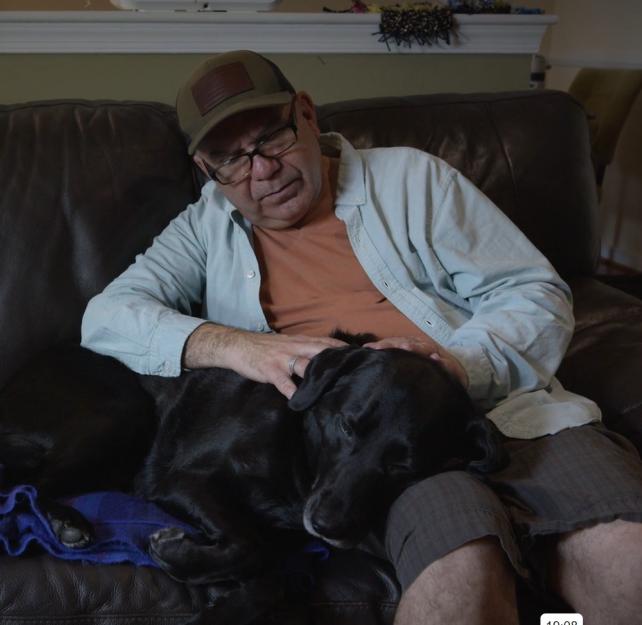
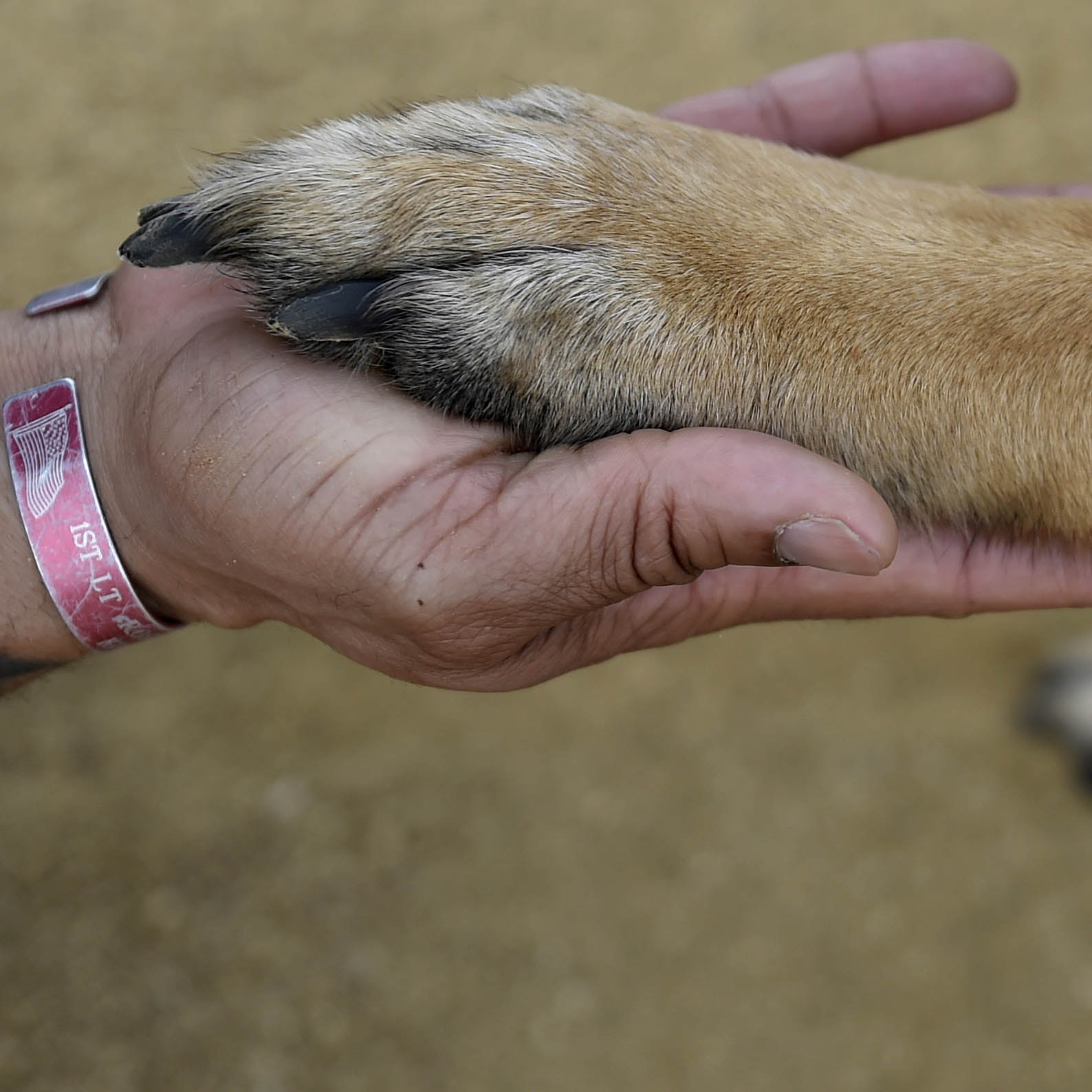
Meta-analysis (9 articles) revealed that partnership with an assistance dog had a clinically meaningful, significant, and large effect on PTSD severity scores. Increasingly prevalent research on assistance dogs for veterans with PTSD provides support for the impact of this complementary and integrative health intervention on PTSD symptom severity, and signs of meaningful improvements in adjacent domains including mental and social health.
September is Suicide Prevention Awareness Month. If you are military-connected then you know the 22-veterans-a-day average. You’ve seen the blue ribbons plastered everywhere on base/post. If you are a veteran or caregiver, you’ve seen similar posters at the VA. You’ve probably gone to an annual suicide prevention training or two. You know the signs, you know what to look for and what to do if you are worried about someone’s safety. But nothing can truly prepare you for when it happens.
Trauma can be a strange and often insidious beast. We can be traumatized by directly being impacted by an event like a violent physical attack, a rape, a natural disaster, or an experience in combat, but we can also be traumatized indirectly by caring for, hearing about, or witnessing the intense suffering of others. Both the direct and indirect impact of traumatic events can lead to post-traumatic stress disorder (PTSD).