Use the filters to browse the information we have available or to narrow your search results for a specific audience (e.g. caregivers, military, children), a preferred type of content (e.g. videos, blogs, articles), or by topics of interest (e.g. family concerns, legal issues, symptoms).
What is neurofatigue? How does it affect people with brain injury (TBI)? Find out what it is, what it feels like, and what you can do to help mitigate symptoms and start to feel better.
Living alongside David Grant's TBI was a treatment-resistant case of PTSD. For over fifteen years, he lived with innumerable night terror events. The kitchen calendar counted the bad nights. A good month noted three or four bad nights. A tough month, like last November, came with nineteen night terror events. Last November was as bad as it gets. Life was unsustainable… until it wasn’t.
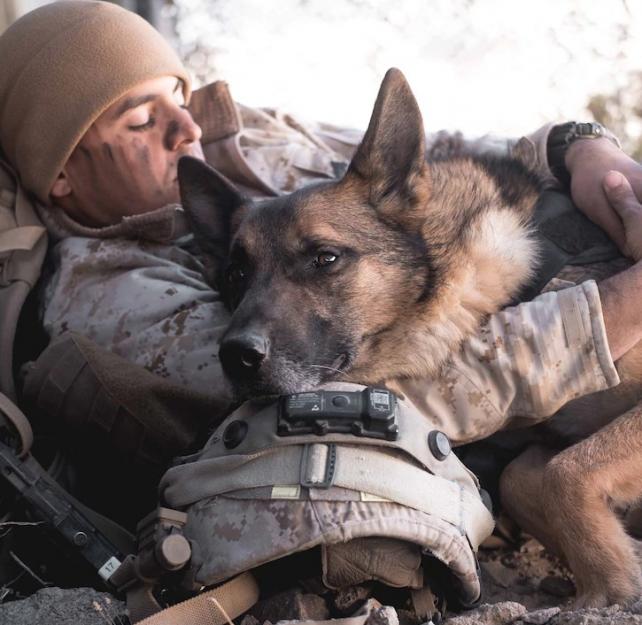
USAF Staff Sergeant Adam Watson joined the military just before 9/11 to find a sense of direction as a young adult. He was trained as a linguist and worked in intelligence. He found purpose and fulfillment in his mission to target terrorists but at a high cost. His time in service took a toll on him and, eventually, his family.
Hear how Home Base, a part of the Wounded Warrior Project's Warrior Care Network, helped Adam treat his depression and post-traumatic stress disorder (PTSD) with Prolonged Exposure Therapy (PE) and other complementary therapies in their Intensive Outpatient Program (IOP). For information about treatments for PTSD please visit The Treatment Hub: https://www.brainline.org/treatment/ Don’t forget to like and subscribe! Information about Prolonged Exposure Therapy (PE): https://www.brainline.org/treatment/pe Home Base in Boston, MA, USA: https://homebase.org/ Wounded Warrior Project's Warrior Care Network: https://www.woundedwarriorproject.org/programs/warrior-care-network Website: https://www.BrainLine.org Donate: https://tinyurl.com/BrainLineDonation Facebook: https://www.facebook.com/brainline Twitter: https://twitter.com/brainline LinkedIn: https://www.linkedin.com/company/brainline.org/
“Long COVID is an umbrella term for the many post-acute consequences that result from COVID-19. The more we learn, the more we see that COVID-19 can affect nearly every organ in the body — from the heart and brain to the lungs, kidneys, skin, and gastrointestinal (GI) tract. We are still learning, but we need to listen to our patients, validate their experiences, and treat their symptoms.”
Being mindfully aware in the present moment meant that the past no longer owned me and that there really was no such thing as the future — there is just the here and now.
What is the natural history of insomnia in the 12 months after traumatic brain injury (TBI)? In the analysis of over 2,000 adults from a large cohort study, insomnia was common during the 12 months after TBI and should be assessed early in recovery.
I can’t sleep, I feel irritated and fearful. And I worry about everything. I haven’t felt like myself in who knows how long. Could all these feelings be from the pandemic?
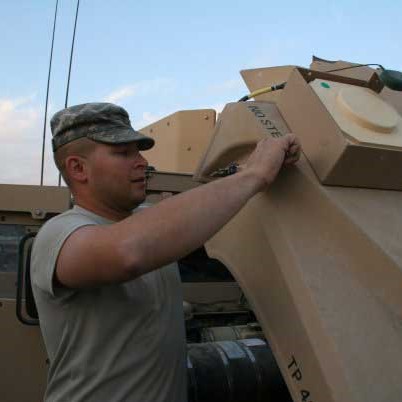
I stared through a sand-crusted windshield. It was more of a film, wiped clear along the path of the wiper blades. A dirty blonde desert haze, matching the Humvee’s paint—not that weird orange-tinged tone oddly clinging to some of our vehicles.
Connor Martin talks about donating his brother Kevin Ash's brain for study. Kevin was a veteran and an athlete who began exhibiting personality changes and his family wanted to understand what had happened, even if it was after his death.
Veteran Jonathan Warren was very skeptical of transcranial magnetic stimulation session, but as his sessions continued his improved sleep continued and his heavy use of alcohol and marijuana reduced.
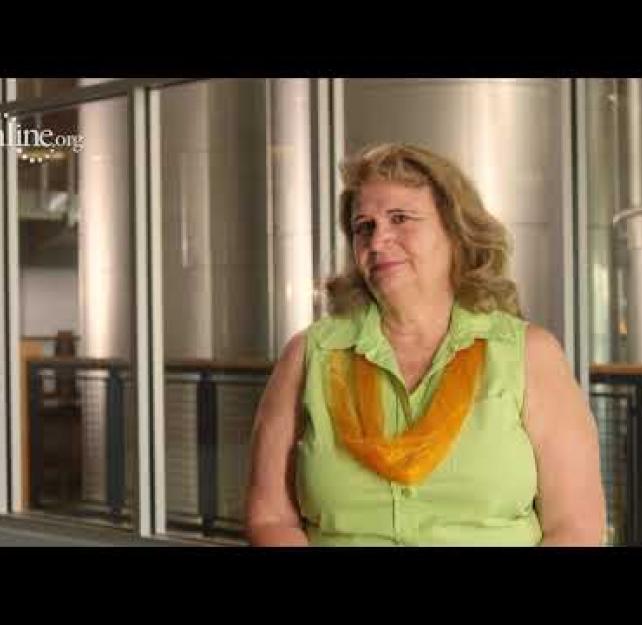
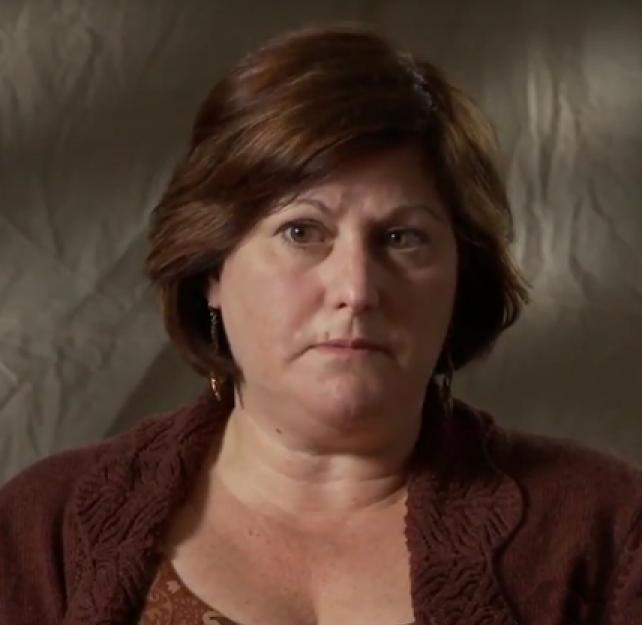
Kristi Kragthorpe quickly learned that her energy reserves were significantly lower after her brain injury. Apps have helped her learn how to monitor herself and keep from "hitting the wall."
Sleep problems and post-traumatic stress disorder (PTSD) share a complicated relationship, so for those experiencing or at risk for this double whammy, as well as for those treating patients, it’s important to understand how they can influence each other in a cycle. Learn the connection between PTSD and sleep, the different ways to approach treatment, the therapies available, and explore the connection between trauma and nightmares.
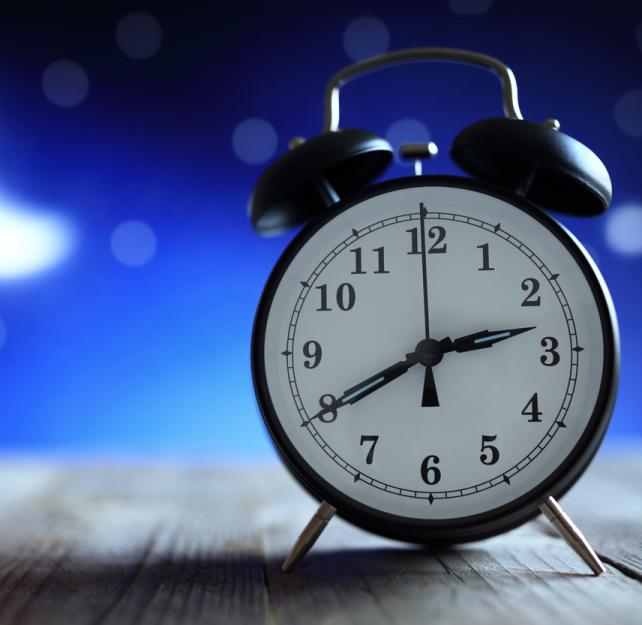
It’s time to put a label on one of my biggest fears as a brain injury survivor: Backsliding. Over the last couple of months, I began to fear that this was happening to me until another survivor shared with me that lack of sleep exacerbated brain injury symptoms. And in two ticks of a clock, the lightbulb went on over my head.
Sometimes unexpected and unrelated medical conditions can exacerbate my traumatic brain injury symptoms. I have known this for years, but have just learned a new lesson about how true this can be.
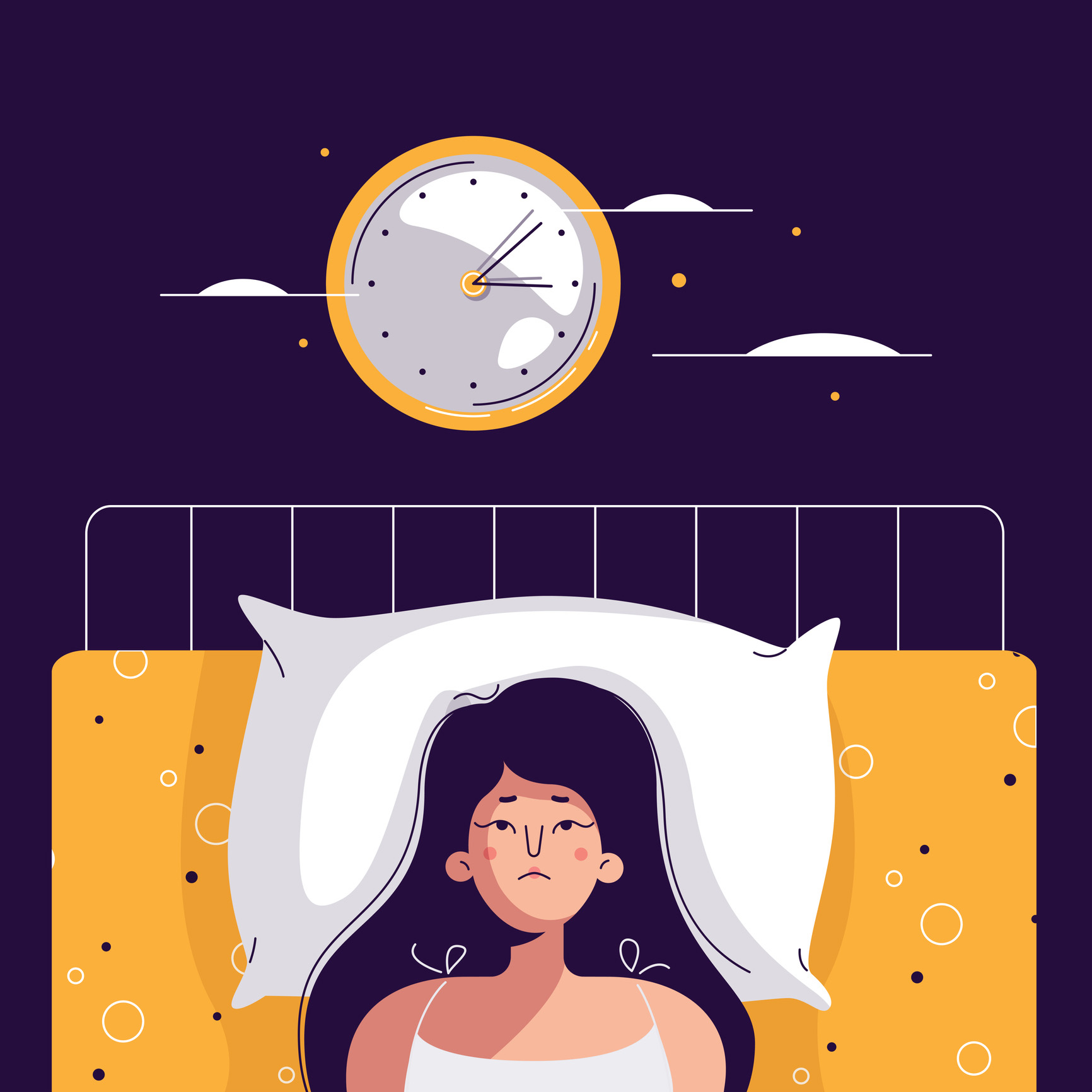
For people recovering from a traumatic brain injury, sleep is especially important, but people with brain injury often have trouble getting the quantity and quality of sleep they need.