Use the filters to browse the information we have available or to narrow your search results for a specific audience (e.g. caregivers, military, children), a preferred type of content (e.g. videos, blogs, articles), or by topics of interest (e.g. family concerns, legal issues, symptoms).
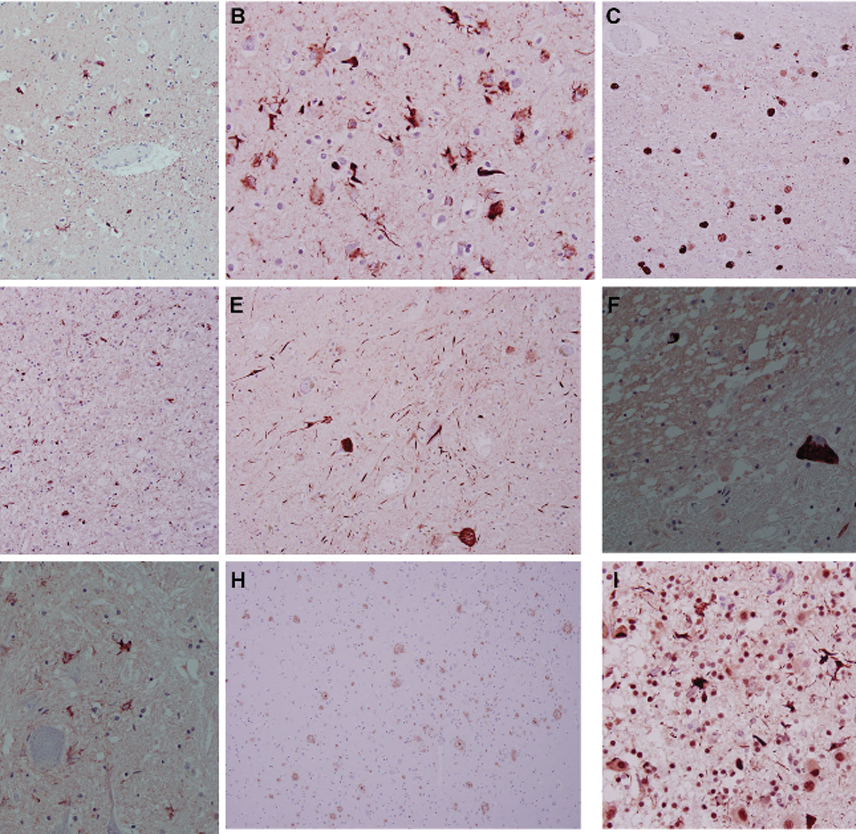
In this case series of 152 contact sport athletes younger than 30 years at the time of death, chronic traumatic encephalopathy (CTE) was found in 63 (41.4%), with nearly all having mild CTE (stages I and II).
Female athletes are more susceptible to sport-related concussions (SRCs) and experience worse outcomes compared with male athletes. Although numerous studies on SRC have compared the outcomes of concussions in male and female athletes after injury, research pertaining to why female athletes have worse outcomes is limited.
After fighters' cessation of RHI exposure, cognitive function and brain thickness measures may stabilize and blood NfL levels may decline. This study could be a starting point to identify potential predictors of individuals who are at a higher risk of RHI-related long-term neurologic conditions.
A look at how to describe clinical recovery time and factors that might impact recovery after a sports-related mild traumatic brain injury (SR-mTBI; concussion).
Concussion is a common childhood injury that may lead to long-term physical, behavioral, and neurocognitive effects, affecting learning and school performance. There is increasing concern about the potential for repeat concussions among professional and high school athletes, with specific attention focused on understanding how sustaining a concussion alters future concussion risk. Addressing repeat concussion risk among youth has substantial implications for clinical practice in terms of managing exposure — particularly regarding youth sports participation — and long-term health and development.
An analysis of news reports and high school participation data determines if there is an association between concussion concerns and declining participation of high school football.
“You’re supposed to rest after concussion.” This advice has been given countless times to patients recovering from concussion. How did we get here, what is the evidence that brought us here, and what does the evolving evidence actually tell us?
A study published in Brain, a journal of neurology, presents the strongest case yet that repetitive hits to the head that aren't concussions do cause CTE.
Researchers published, what they say is the first case of a living person identified with the degenerative brain disease, chronic traumatic encephalopathy, or CTE.
A Harvard Medical School study published in Nature Communications shows a molecular relationship between TBI and CTE but also a possible treatment mechanism — just not one that can be used to treat humans quite yet.
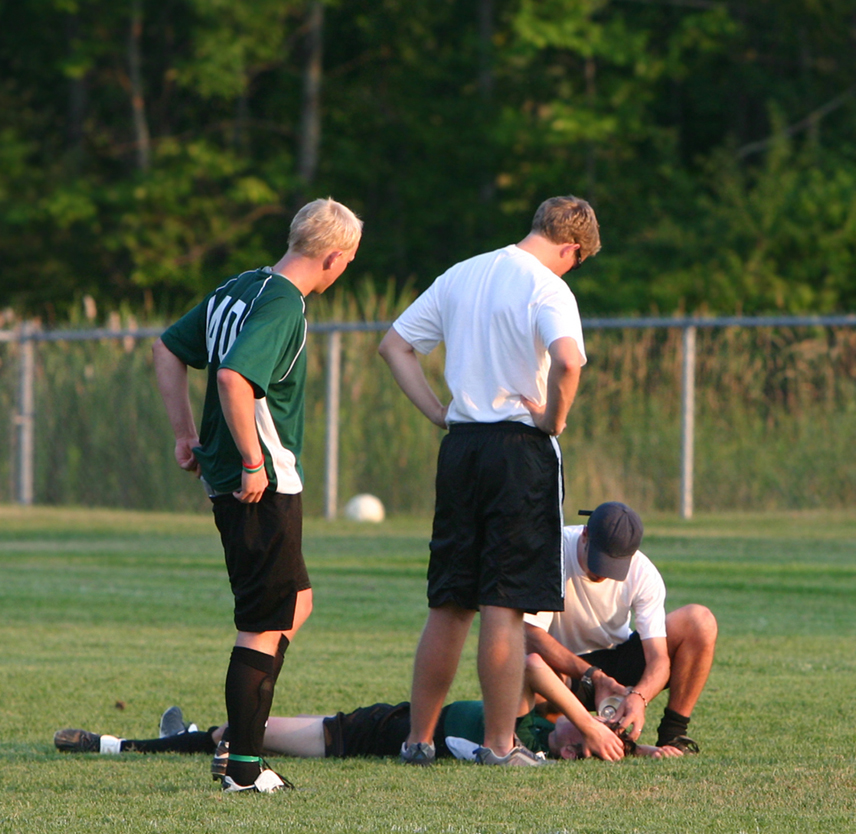
A new University of Michigan study confirms what many hospital emergency rooms nationwide are seeing: Teens playing contact sports suffer from concussions.
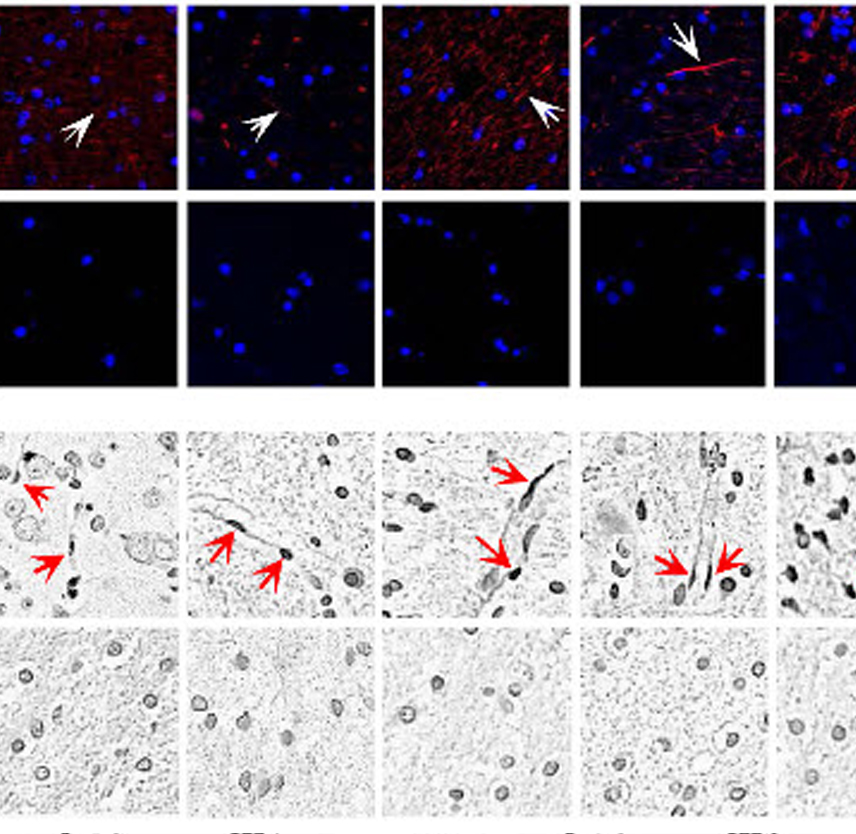
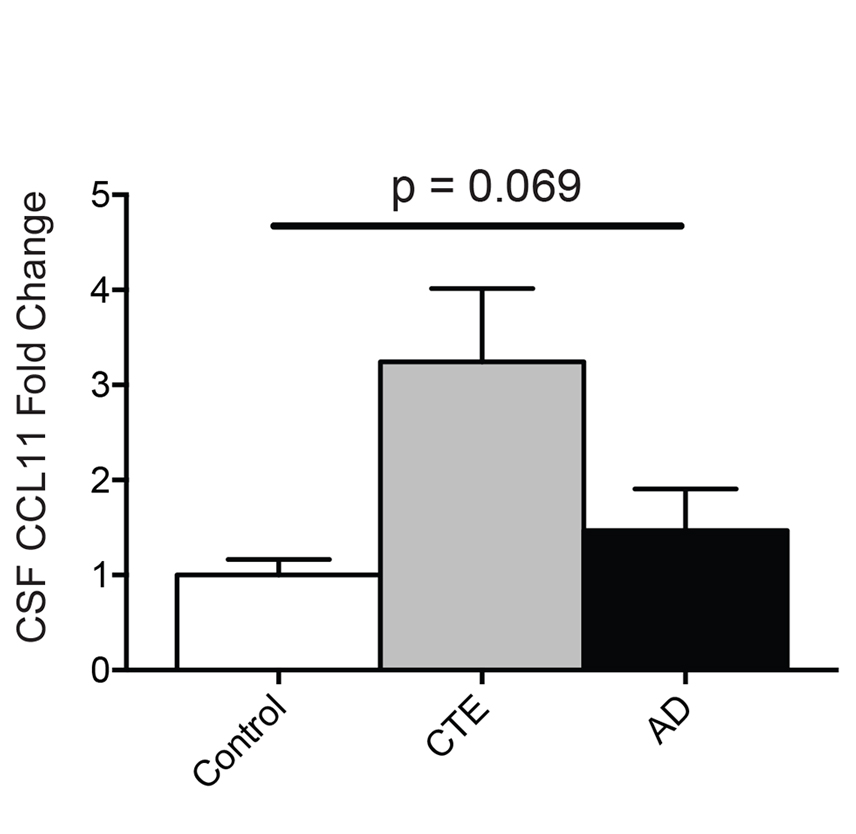
A new biomarker (CCL11) for chronic traumatic encephalopathy (CTE) has been discovered that may allow the disease to be diagnosed during life for the first time.
Study compares abnormal menstrual patterns in adolescents and young women with a sport-related concussion and those with non-head sport-related orthopedic injuries.
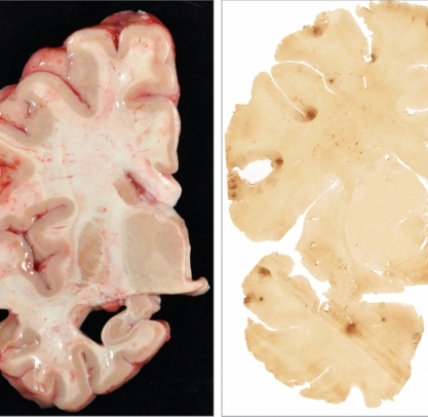
A neuropathologist has examined the brains of 111 NFL. players — and 110 were found to have CTE, the degenerative disease linked to repeated blows to the head.
Does playing high school football have a statistically and clinically significant adverse association with cognitive impairment and depression at 65 years of age?
It is increasingly recognized that moderate to severe traumatic brain injury increases the risk for dementia in older adulthood. Whether mild TBI is associated with increased risk of dementia is less clear, especially because fewer prospective studies have focused on mild TBI. This is an important gap in the field, especially because concussion is relatively common, among both the general population and certain groups such as athletes and military service members.
Women athletes are 50% more likely than male athletes to have a sports-related concussion. Although more susceptible to concussions, the study indicates that women recover from the injury at the same rate as men.
According to a national poll, a majority of Americans say they believe concussions and brain injuries resulting from sports are a major problem and leagues like the NFL are not doing enough to respond.
In 45 retired NFL athletes, there were no associations between pre-high school football and neuroradiological, neurological, and neuropsychological outcome measures.
The neuropsychological findings of a 25-year-old former college football player who was diagnosed with chronic traumatic encephalopathy (CTE) postmortem.