Use the filters to browse the information we have available or to narrow your search results for a specific audience (e.g. caregivers, military, children), a preferred type of content (e.g. videos, blogs, articles), or by topics of interest (e.g. family concerns, legal issues, symptoms).
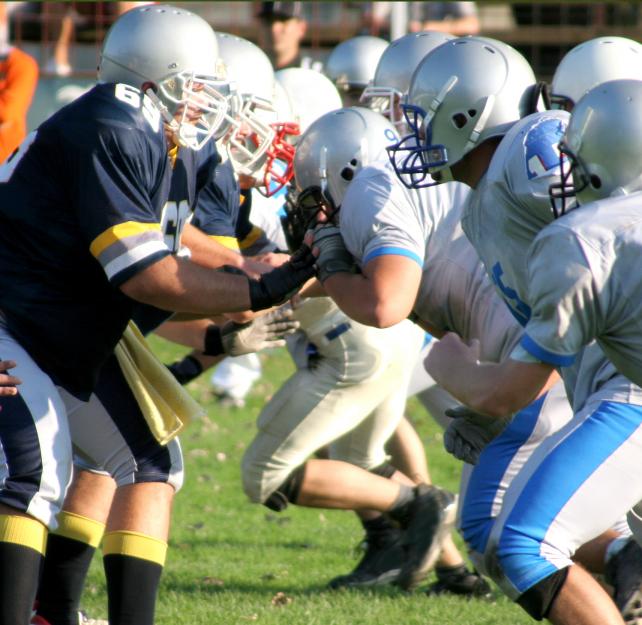
In this case series of 152 contact sport athletes younger than 30 years at the time of death, chronic traumatic encephalopathy (CTE) was found in 63 (41.4%), with nearly all having mild CTE (stages I and II).
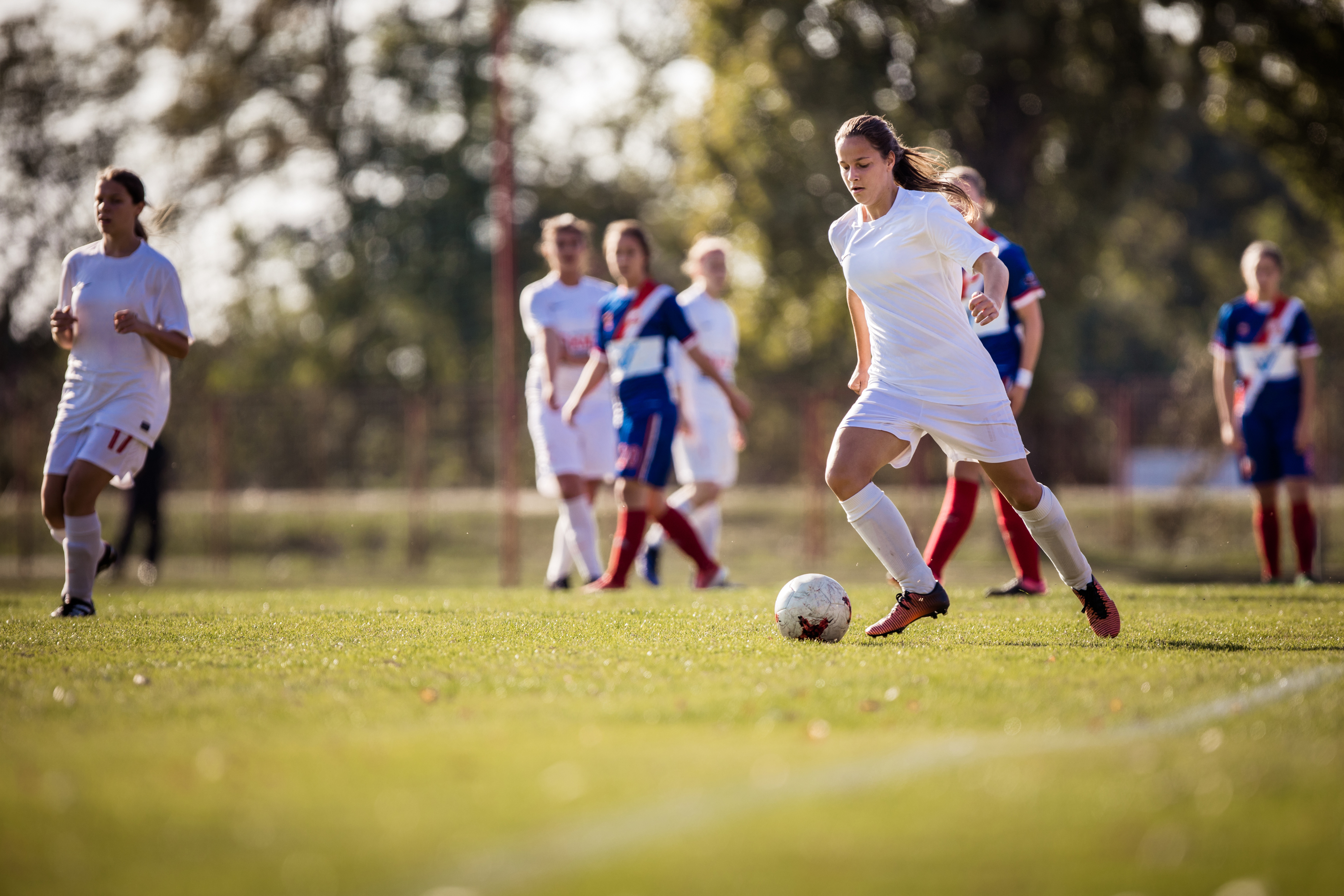
Female athletes are more susceptible to sport-related concussions (SRCs) and experience worse outcomes compared with male athletes. Although numerous studies on SRC have compared the outcomes of concussions in male and female athletes after injury, research pertaining to why female athletes have worse outcomes is limited.
After fighters' cessation of RHI exposure, cognitive function and brain thickness measures may stabilize and blood NfL levels may decline. This study could be a starting point to identify potential predictors of individuals who are at a higher risk of RHI-related long-term neurologic conditions.
Over the past two decades, researchers have gained a great deal of insight into the risks surrounding concussions – some of which has led to sweeping policy changes.
Connor Martin and his family donated his brother Kevin Ash's and evidence of CTE was discovered, a condition that can only be diagnosed after death. Kevin's family encourages others to donate as well so we can learn more about brain injuries and CTE.
Would Connor Martin's brother, veteran and athlete Kevin Ash, have lived his life differently if he'd know more about traumatic brain injury? Connor doesn't think so. But Connor knows the dangers now and he tries to make things safer when he's active.
Connor Martin's brother Kevin Ash sustained blast injuries during his deployments. When he returned to the States he found comradery by joining a rugby team. Unfortunately, a simple tackle resulted in a coma and significant large term effects.
Connor Martin was only 17 when his brother Kevin Ash had his last accident. Connor had spent his life looking up to Kevin and now his brother was unreactive in a hospital bed.
A look at how to describe clinical recovery time and factors that might impact recovery after a sports-related mild traumatic brain injury (SR-mTBI; concussion).
This handout provides a brief summary of what researchers currently know and don’t know about chronic traumatic encephalopathy, or CTE. Research on CTE is growing, and more studies are needed to help answer many remaining questions. CDC will update this handout as more information on CTE becomes available.
Concussion is a common childhood injury that may lead to long-term physical, behavioral, and neurocognitive effects, affecting learning and school performance. There is increasing concern about the potential for repeat concussions among professional and high school athletes, with specific attention focused on understanding how sustaining a concussion alters future concussion risk. Addressing repeat concussion risk among youth has substantial implications for clinical practice in terms of managing exposure — particularly regarding youth sports participation — and long-term health and development.
“I was blown away.” Dr. Ann McKee recounts the first time she saw signs of chronic traumatic encephalopathy (CTE) in boxer Paul Pender, who was thought to have had Alzheimer’s disease.
You don’t see it. There’s no blood, no pain. Even though players may not be immediately affected, we’re learning that those thousands of hits provoke neurogenerative disease. Dr. Ann McKee explains.
Dr. Ann McKee grew up a football fan and never considered the repetitive hits sustained by football players would lead to brain abnormalities identical to what she found in the brain of boxers.
Punch drunk, dementia pugilistica, post-traumatic encephalopathy, or chronic traumatic encephalopathy — same criteria of diagnosis, the same patterns of change seen in the brain. Dr. Ann McKee explains.
Genes, sleep, an active mind, and when a person starts playing football may all play a factor in the development of CTE. Dr. Ann McKee explains what researchers have learned, and what's on the horizon.
Dr. Ann McKee knows that physical exercise is healthy for the mind and the body, but it's important to do it safely to minimize the chances of brain injury.
An analysis of news reports and high school participation data determines if there is an association between concussion concerns and declining participation of high school football.
“You’re supposed to rest after concussion.” This advice has been given countless times to patients recovering from concussion. How did we get here, what is the evidence that brought us here, and what does the evolving evidence actually tell us?