Use the filters to browse the information we have available or to narrow your search results for a specific audience (e.g. caregivers, military, children), a preferred type of content (e.g. videos, blogs, articles), or by topics of interest (e.g. family concerns, legal issues, symptoms).
Bryan, who deployed to Iraq in 2009 as a psychologist in the Air Force started to view active-duty suicide as “death by a thousand paper cuts,” he says.
Trauma can be a strange and often insidious beast. We can be traumatized by directly being impacted by an event like a violent physical attack, a rape, a natural disaster, or an experience in combat, but we can also be traumatized indirectly by caring for, hearing about, or witnessing the intense suffering of others. Both the direct and indirect impact of traumatic events can lead to post-traumatic stress disorder (PTSD).
“Open therapeutic discussion works. It’s like you’re in the woods, it’s pitch-black, there are noises and shadows … and it’s just you, alone, with your one beam of flashlight light bouncing around as you turn this way and that, fight or flight. It’s terrifying. It’s a lot less scary if you’ve got 20 buddies at your side, 20 flashlights that can easily illuminate the forest for what it is, yes, noises and shadows, but once revealed, not so frightening at all. So, all this listening, talking, and sharing made possible by gaming and streaming worked for me and there are a lot of people out there struggling in similar ways who can similarly heal."
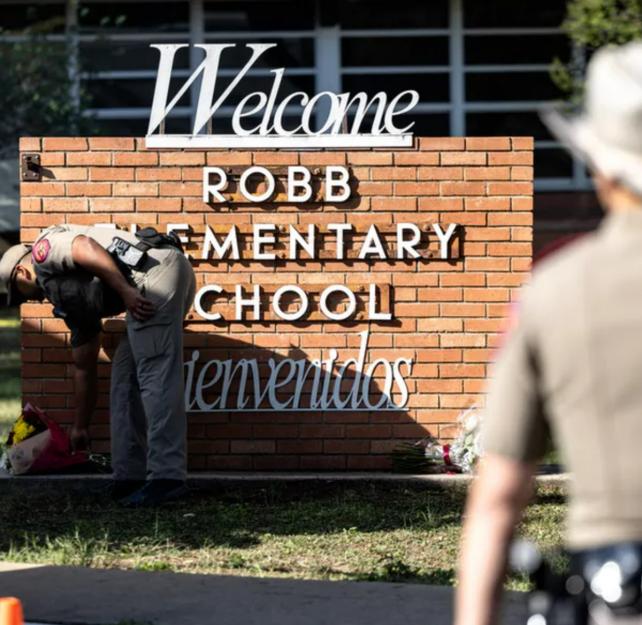
It is important to understand that no two people experience such horrific exposure in the same way. The extent of the trauma, stress or fear can vary. Survivors of a shooting may want to avoid the neighborhood where the shooting occurred or the context related to shooting, such as grocery stores, if the shooting happened at one. In the worst case, a survivor may develop post-traumatic stress disorder.
For accountants, it’s tax time; for teachers, it’s September. And for therapists, the busiest time of year is the holidays. Every therapist knows that the winter holiday season is rife with pain, angst and grief.
Caring for a recovering service member can be hard. It can take on an added level of difficulty and stress when, as is often the case, that person is a friend, family member or loved one. Without time to recharge, burnout is a very real risk.
Three LSU Health New Orleans licensed professional counselors and registered play therapists have created a new book to help children cope with the experience and aftermath of Hurricane Ida. A couple of very talented children, Susanna (age 8) and Ellie (age 6) Frischhertz, drew the illustrations.
Todos los años, hay niños y adolescentes que están expuestos a acontecimientos catastróficos y otras experiencias traumáticas. Los padres de familia, los socorristas y los miembros de la comunidad en general pueden ayudar a los niños a iniciar el proceso de recuperación y a superar estas experiencias.
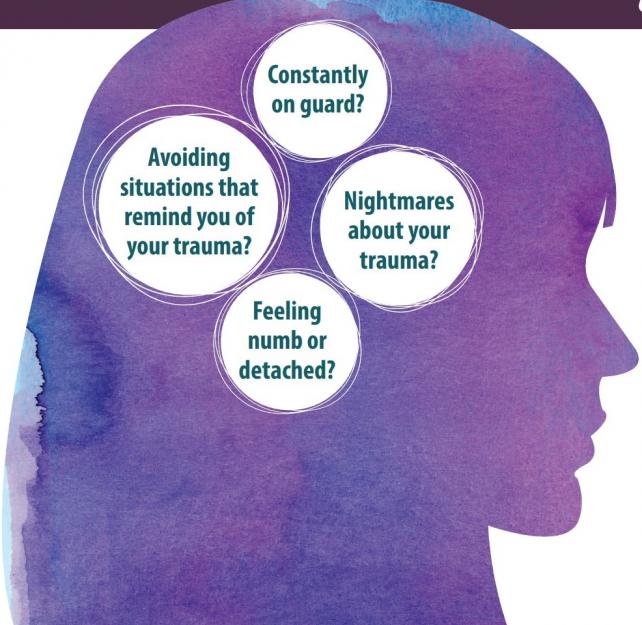
Trauma is common in women; five out of ten women experience a traumatic event. Women tend to experience different traumas than men. While both men and women report the same symptoms of PTSD (hyperarousal, reexperiencing, avoidance, and numbing), some symptoms are more common for women.
The events taking place in the news may be triggering to many in our BrainLine community. If you need to talk, you are not alone. There are resources available now. Please reach out to these crisis lines.
Disasters affect people who experience and respond to the event. Natural and technological disasters impact survivors, bereaved family members, witnesses to the event, and friends of those involved.
The introduction of COVID-19 to the human population around December 2019 has resulted in a pandemic that continues to affect the entire world. While the research to date has focused on potential neurological impairment to COVID-19 patients, little attention has been placed on the effects of the fallout caused by COVID-19 on individuals who are living with brain injury. Specifically, the pandemic has resulted in job loss, social isolation, interruptions to routine, and a need to adjust previously successful compensatory strategies, all highlighting some of these unique challenges. The general population has experienced the same issues. However, individuals with brain injury were already experiencing these prior to the pandemic.
Luego de sufrir un trauma, los sobrevivientes a menudo dicen que su primera sensación es sentirse aliviados por estar vivos. Esto podría estar seguido por estrés, miedo e ira. Los sobrevivientes de un trauma también podrían descubrir que son incapaces de dejar de pensar en lo que ocurrió. Muchos sobrevivientes presentan un alto grado de alerta, lo que hace que reaccionen intensamente ante los sonidos e imágenes a su alrededor.
Most people have stress reactions after a trauma. Having such a reaction has nothing to do with personal weakness. Stress reactions may last for several days or even a few weeks. For most people, if reactions or symptoms that feel like PTSD occur, they will slowly decrease over time.
Acute stress disorder (ASD) is a mental disorder that can occur in the first month following a trauma. The symptoms that define ASD overlap with those for PTSD.
Imagine waking up one morning and your loved one lost the ability to recognize and empathize with your feelings. For the last couple of decades, researchers have been showing this to be a common outcome for people who have suffered a traumatic brain injury.
After his brain injury, her husband "never comforted her in times of sadness or worry...He never participated in her joys, not even when their first child was born. Was this because he didn’t care?"
Generalized anxiety, panic disorder, and anxiety related to PTSD are common. An estimated 31 percent of U.S. adults experience anxiety at some point in their lives. Learn more.
Depression can sometimes be a double-whammy. While depressed, you don’t have the energy or confidence to do what you need to do to try to feel better. Here are a few strategies that people with post-TBI depression have suggested.
Anxiety can come in many colors and textures following a brain injury. It can bubble up in crowded, noisy places. It can surface when there is too much quiet — when worries seem to snowball and there is no place to hide.