Use the filters to browse the information we have available or to narrow your search results for a specific audience (e.g. caregivers, military, children), a preferred type of content (e.g. videos, blogs, articles), or by topics of interest (e.g. family concerns, legal issues, symptoms).
Creating individualized treatment plans for veterans is crucial as they may be experiencing symptoms from PTSD, TBI or other concussive injuries as well as moral injury. Often, soldiers enter a war in their late teens or early 20s when their brain has not yet reached full maturation. Providers must consider all of a veteran’s physical and psychological factors when tailoring treatment strategies.
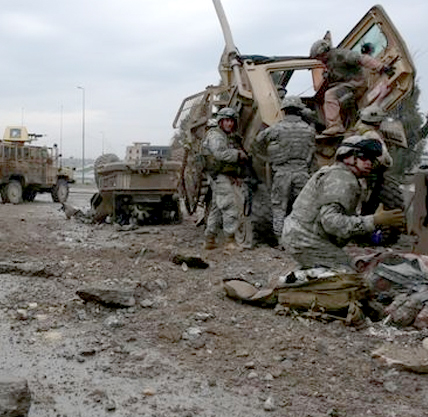
The Veterans Health Administration continues researching ways to reduce the impact of the most serious injuries U.S. troops suffered in conflicts in both Afghanistan and Iraq.
Researchers and doctors are learning more about how blast injuries, especially if repetitive and sustained close together, can affect the brain far more significantly than a singular blow to the head as from football, boxing, or a car crash. When treating veterans and service members, clinicians in the Home Base program start by taking an in-depth TBI history starting from childhood to the present. The more they understand the mechanism, frequency, and interval between any sustained injuries, the more pointed their treatment can be.
Being defined by your brain injury is different from sharing with a loved one what needs to be shared about the symptoms, says Brainline blogger David Grant.
Over the past decade, as smartphones, tablets, and all their millions of apps have emerged, opportunities to use these tools have mushroomed. Here are a few examples of the way mobile technologies have helped my clients with brain injury.
After fighters' cessation of RHI exposure, cognitive function and brain thickness measures may stabilize and blood NfL levels may decline. This study could be a starting point to identify potential predictors of individuals who are at a higher risk of RHI-related long-term neurologic conditions.