Use the filters to browse the information we have available or to narrow your search results for a specific audience (e.g. caregivers, military, children), a preferred type of content (e.g. videos, blogs, articles), or by topics of interest (e.g. family concerns, legal issues, symptoms).
To be human is to grieve, and everyone grieves differently and in their own time. But there is a type of grief that many people experience that is less common, less talked about, but none the less real and painful. It’s called ambiguous grief or ambiguous loss.
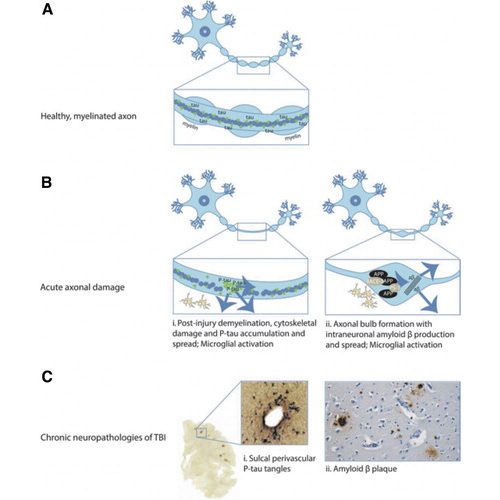
CTE has been getting a lot of press — the subconcussive blows, the development of CTE — where do you think this all comes into concern for youth contact sports? Does it really start in these younger kids?
It can take years to accept a loved one’s afterlife, and it may take a decade. I’m not talking about life after death; I’m talking about life after a family member’s brain injury.
It is with profound sadness that I share that someone very dear to me is nearing death. In fact, he may not still be with us by the time this is published. As one of the most cherished relationships in my life, his imminent death is kicking the legs out from underneath me.
The estimated burden of moderate and severe brain injury on public health and key policy strategies to address the long-term consequences of brain injury.
Is concussion and/or mild traumatic brain injury (TBI) associated with a higher risk of suicide? This systematic review and meta-analysis found a 2-fold higher risk of subsequent suicide among more than 700 000 patients diagnosed with concussion and/or mild TBI, compared with more than 6.2 million individuals who had not been so diagnosed. Experiencing concussion and/or mild TBI was also associated with a higher risk of suicide attempt and suicidal ideation. These results suggest that experiencing concussion and/or mild TBI is associated with an increased risk of suicide.
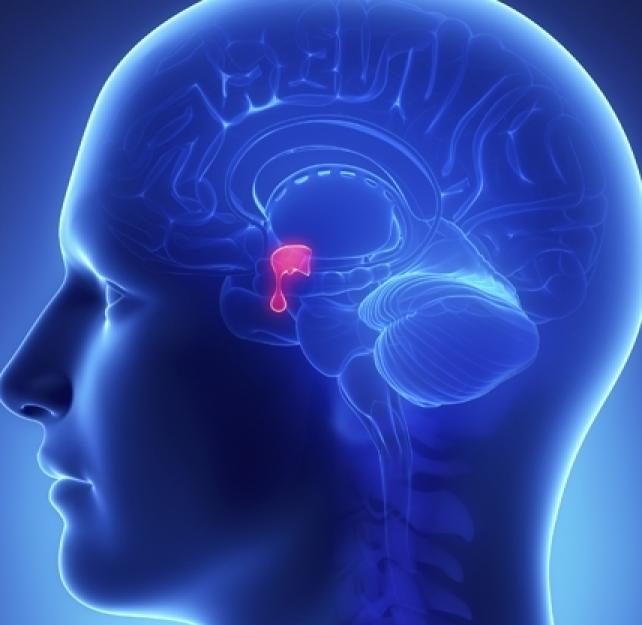
Symptoms of hypopituitarism — a condition in which the pituitary gland does not produce normal amounts of some or all of its hormones — would most likely show up soon after a TBI.
It is increasingly recognized that moderate to severe traumatic brain injury increases the risk for dementia in older adulthood. Whether mild TBI is associated with increased risk of dementia is less clear, especially because fewer prospective studies have focused on mild TBI. This is an important gap in the field, especially because concussion is relatively common, among both the general population and certain groups such as athletes and military service members.
Have you heard the term “new normal” lately? It’s been bouncing around for a few years and is used to describe the adjustments veterans and families go through when they return home from war. Have you ever wondered what it looks like?
Experts tell us that for some people, the basics of a good diet, exercise, and sleep may do as much or more to improve your TBI or your PTSD as other treatments.
Experiencing three or more concussions is linked with worsened brain function in later life, according to major new research. The study – the largest of its kind - also found having just one moderate-to-severe concussion, or traumatic brain injury (TBI), can have a long-term impact on brain function, including memory.