Use the filters to browse the information we have available or to narrow your search results for a specific audience (e.g. caregivers, military, children), a preferred type of content (e.g. videos, blogs, articles), or by topics of interest (e.g. family concerns, legal issues, symptoms).
None of these challenges is blatant to the naked eye, but spend a bit of time with me, and you’ll learn soon enough that I’m not as normal as I look. Such is the nature of being invisibly disabled.
Our lives did not peak on a mountaintop in Afghanistan, or a jungle in Vietnam. They do if we think they do; if we see that as the ultimate achievement in our lives, and everything else is downhill and meaningless, then that’s what we will believe. That’s not the case.
Working with any client can be challenging, but veterans can be especially difficult because of the warrior culture that they are used to. Here what veterans would like their mental health counselor to know before working with them.
My experiences don’t define me, and the Purple Hearts, TBI, and mental health diagnoses of my brothers and sisters don’t define them. I want to survive, and thrive, in spite of what I did and what happened to me...
Former Army Sgt. and Dole Caregiver Fellow Danny O'Neel helps fellow veterans who are struggling with how to get through each day. The biggest change for him, he says, was "learning how to listen."
These men are heroes not just for what they survived. They are heroes for living through fifty years of civilians who don’t understand them and loved ones who walk away in tears from actions and responses that, to these men, seem completely normal.
I, personally, never use the word warrior for anyone but a combat veteran. But I do not call them warriors because of what they did during war. I call them warriors because of what they do every single day since returning from war.
You need a mission. So says Sergeant Bill "Big Sarge" Hansen, a former Marine and a current mentor with the Wounded Warrior Project®. Today Sgt. Hansen has a clear mission: to provide mentorship and support to young veterans carrying the physical and emotional scars of war.
The Pearce family misses Army life. They not only lost the stability a healthy father would provide but also an entire way of living — the extended family that the Army creates. After years of struggle, they've found...
Every now and again, someone will ask me how I’m sleeping these days. My reply has remained unchanged for several years. “I’ve not slept a full night since 2010.” — David Grant
"The real eye-opener was how long it has taken me to realize that the light at the end of the tunnel is not a train," says David Grant about recovering from his TBI.
The last thing Samuel Console, a retired Pennsylvania Army National Guard lieutenant, remembers after the explosion in Iraq was an orange flash of light. It wasn't until six years later he was diagnosed with brain injury.
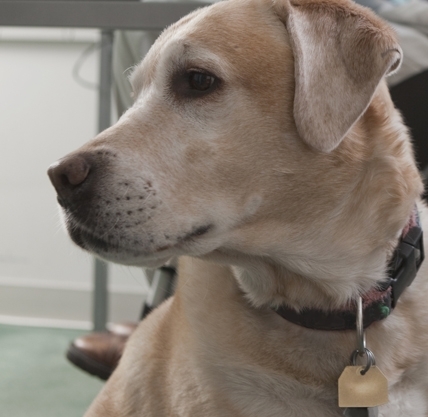
Luis Carlos Montalvan is a decorated war veteran with PTSD and a TBI sustained while serving two tours in Iraq. Here's what his service dog, Tuesday, might say if he could talk.
The story of one Marine's job retrieving and examing the remains of fellow soldiers lost in combat and the crippling psychological toll this experience took once she was stateside.
The breaking point came when Sandra Rivera found their 9-year-old son backed against a wall with his arms over his face, shielding himself from her husband’s screaming.
It took almost nine years for Marine Michael Grywalsky to get the help he needed for TBI and PTSD. Without the tenacity of his wife, he may never have gotten it.