Use the filters to browse the information we have available or to narrow your search results for a specific audience (e.g. caregivers, military, children), a preferred type of content (e.g. videos, blogs, articles), or by topics of interest (e.g. family concerns, legal issues, symptoms).
Sometimes it feels like I am a single parent. That breaks my heart to say because my husband really is a fantastic parent as long as he’s not triggered or having a chronic pain flare-up.
Last month, I found out that I qualified for a Cornell University research study about brain injury.... I ruefully admit that I was nervous going into the testing. What brokenness in me would they find? I do pretty well these days, well enough that most people might not notice my challenges. But I still have an ego and can be more sensitive that I care to admit.
Mind-full can be messy, sad, overwhelming, unproductive … and definitely not healthy. Mindful, on the other hand, is calming and satisfying; it can bring me back to my best self.
If there’s one thing that is all but guaranteed after a brain injury, it’s uncertainty. So much of what we face as survivors is unique to the brain injury community. Brain injury is often — but not always — invisible to others and no two brain injuries are alike. The challenges I face are often different from those other survivors face. Often invisible, and always unpredictable, brain injury is a unique confluence of challenges.
Experiencing three or more concussions is linked with worsened brain function in later life, according to major new research. The study – the largest of its kind - also found having just one moderate-to-severe concussion, or traumatic brain injury (TBI), can have a long-term impact on brain function, including memory.
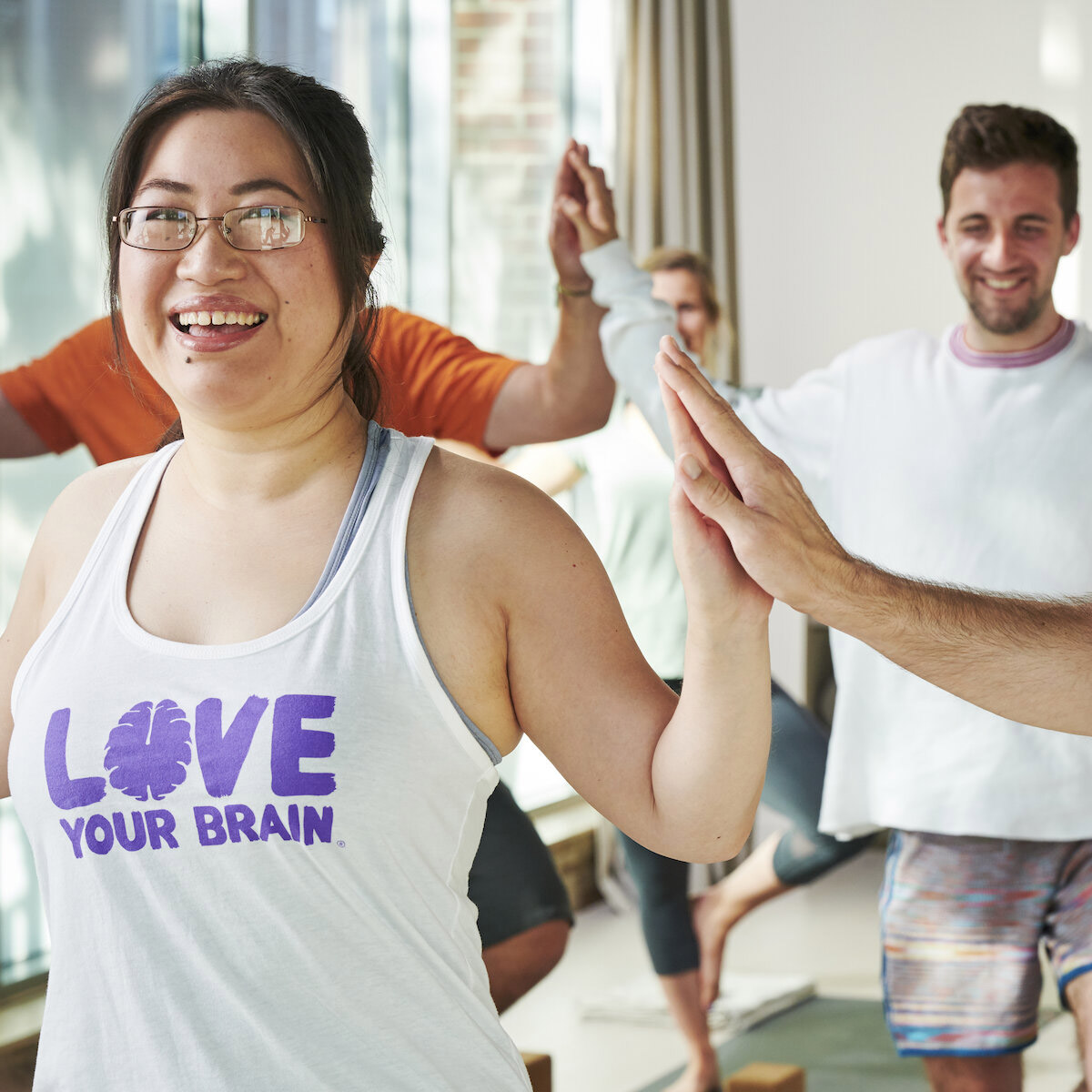
LoveYourBrain Retreats is a novel, free, five-day multimodal program designed to benefit people with traumatic brain injury (TBI) and their caregivers. This study showed the integration of mindfulness, gentle yoga, brain health nutrition, art therapy, and community is an effective rehabilitation model to improve quality of life and has significant potential for expanding access to complementary therapy after TBI.
Early on after my 2010 brain injury, "old-timers" in the brain injury survivor community told me that “it” would get better, but they never really told me what “it” was.
It is with profound sadness that I share that someone very dear to me is nearing death. In fact, he may not still be with us by the time this is published. As one of the most cherished relationships in my life, his imminent death is kicking the legs out from underneath me.
Doing something kind for another person, no matter how big or small, not only positively impacts our own mental health but it can also bring joy to someone else. Even tiny actions go a long way. It feels good to do good. And, in my experience, good begets good.
This is the month that I mark 12 years as a brain injury survivor. These “crash anniversaries” have pushed me to reflect; it’s hard not to look back at the “before and after” chapters of my life — sifting, shuffling, and reinterpreting the contents of each.
I am a big believer in working through what I walk through. If I have learned anything from everything that has come from the day of the crash, it is that we are each responsible for how we respond — and heal from — what happens in our lives. We must learn to heal our way.
Almost 12 years ago my life changed forever as I joined the brain injury club, a club that no one ever expects — or wants — to be part of. And early on, the phrase “recovery is lifelong” completely and totally annoyed me. I had always been and remain a classic Type A personality. So, it comes as no surprise that I wanted no part of the “recovery is lifelong” model of living out the rest of my life. My plan was to get over my brain injury and move on.
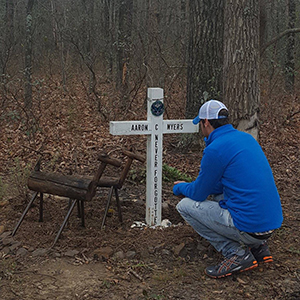
Over the last 10 years ago, since my sons, Aaron and Steven, were involved in a fatal car accident, in which Aaron did not survive and Steven sustained a severe TBI, my life has resembled a lost-and-found bin, filled to the top, running over with more emotions than I could ever imagine sorting through.
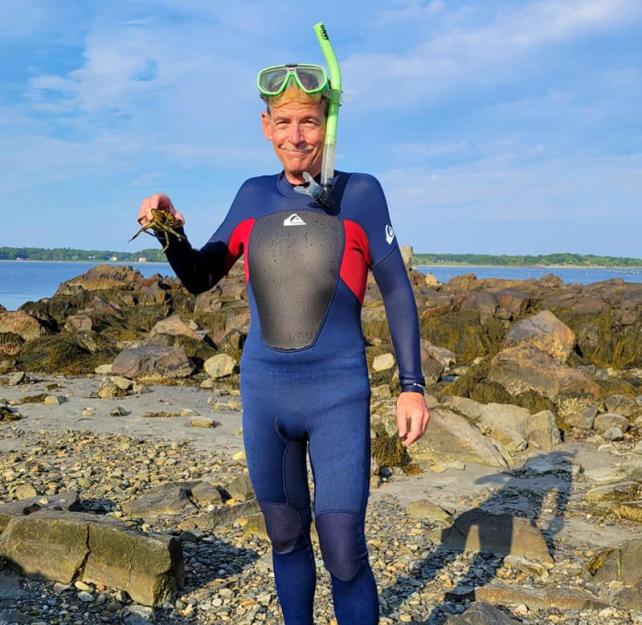
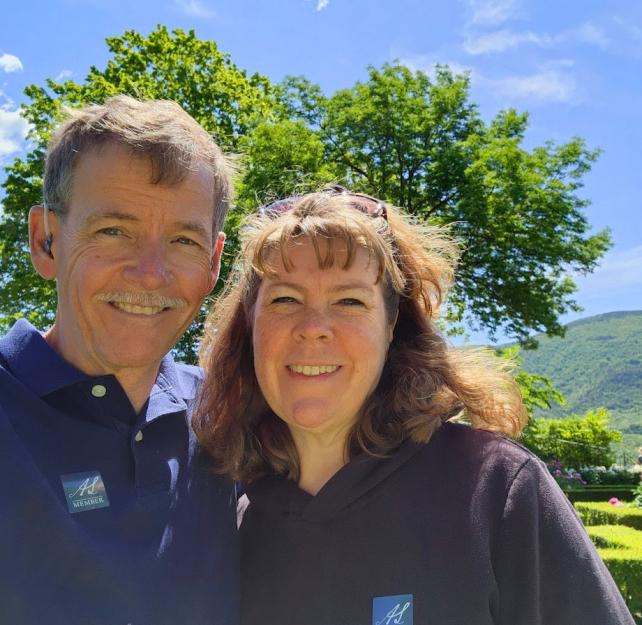
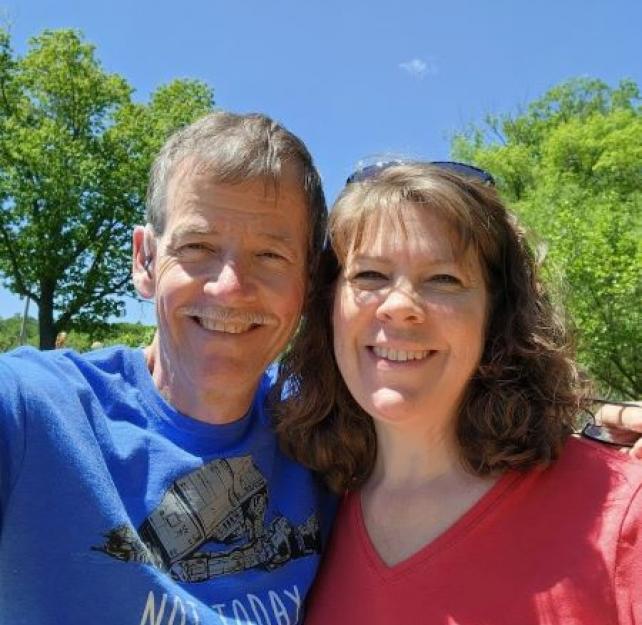
Last month, Sarah and I took a trip to rural Maine for another first-time life experience. I was more excited than fearful when I jumped out of a plane at 14,000 feet and I can now add skydiver to my life résumé! Had I listened to the advice I received from doctors a decade earlier, the thought of jumping out of a plane would have seemed preposterous.
None of us has a crystal ball. The fact that the future is veiled is a gift. What I can do is live my best possible life with what I’ve got. If I look at my life right here, right now, it’s hard not to be grateful.
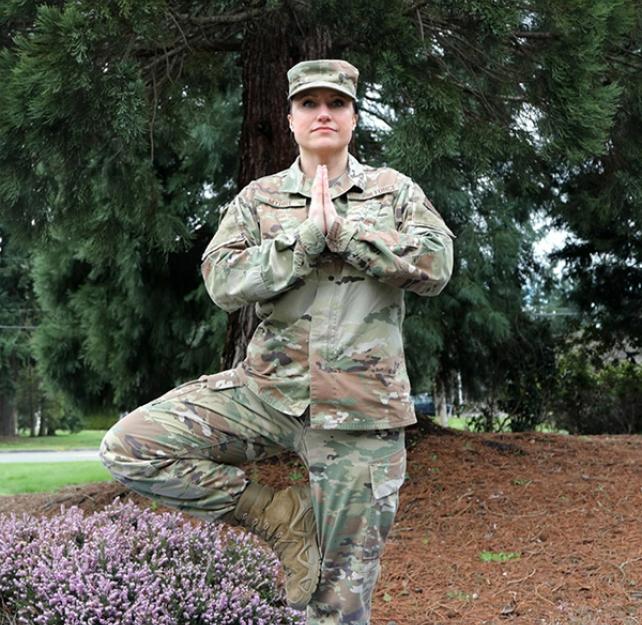
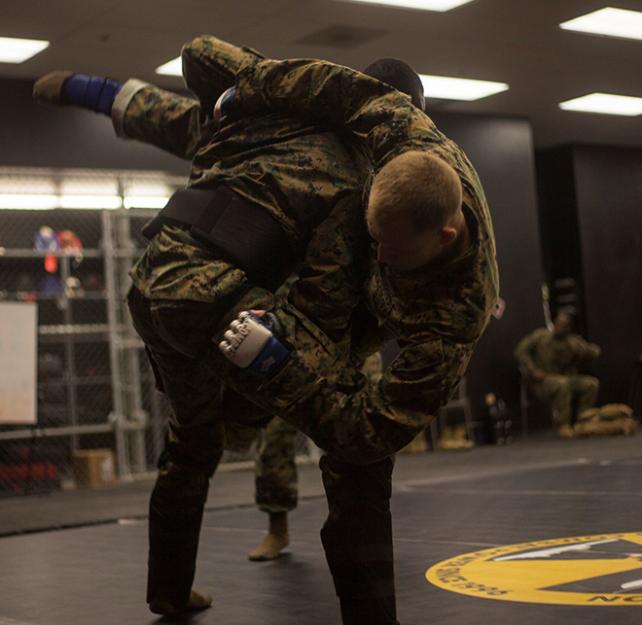
A Marine Veteran herself, she was resistant to try mindfulness, meditation, and yoga; these practices seemed ridiculous to her. But with time and patience, she began to feel great benefits of them.
A Field Operator in the Marines, Ashton Kroner downplayed her symptoms after sustaining traumatic brain injuries, which may have exacerbated them in the long term.
Being mindfully aware in the present moment meant that the past no longer owned me and that there really was no such thing as the future — there is just the here and now.
“When I meet people, post-injury who may be stuck in a dark place, who may think their lives are destroyed, I say it’s going to be hard to picture the future but start by dipping your toes into the waters of adaptive sports in a group setting. The sooner you get involved, the better. You don’t have a clue what you will accomplish in life.”
The human brain is a three-pound organ that remains largely an enigma. But most people have heard of the brain’s gray matter, which is needed for cognitive functions such as learning, remembering and reasoning.
Three of my four sons abruptly walked out of my life with no explanation and no communication. I was being ghosted long before that term even existed. It was, by far, the most painful part of my journey.