Use the filters to browse the information we have available or to narrow your search results for a specific audience (e.g. caregivers, military, children), a preferred type of content (e.g. videos, blogs, articles), or by topics of interest (e.g. family concerns, legal issues, symptoms).
“You’re supposed to rest after concussion.” This advice has been given countless times to patients recovering from concussion. How did we get here, what is the evidence that brought us here, and what does the evolving evidence actually tell us?
According to a national poll, a majority of Americans say they believe concussions and brain injuries resulting from sports are a major problem and leagues like the NFL are not doing enough to respond.
A study to determine if the sport-related concussion (SRC) rate is lower after a rule change that limited the amount and duration of full-contact activities during high school football practice sessions.
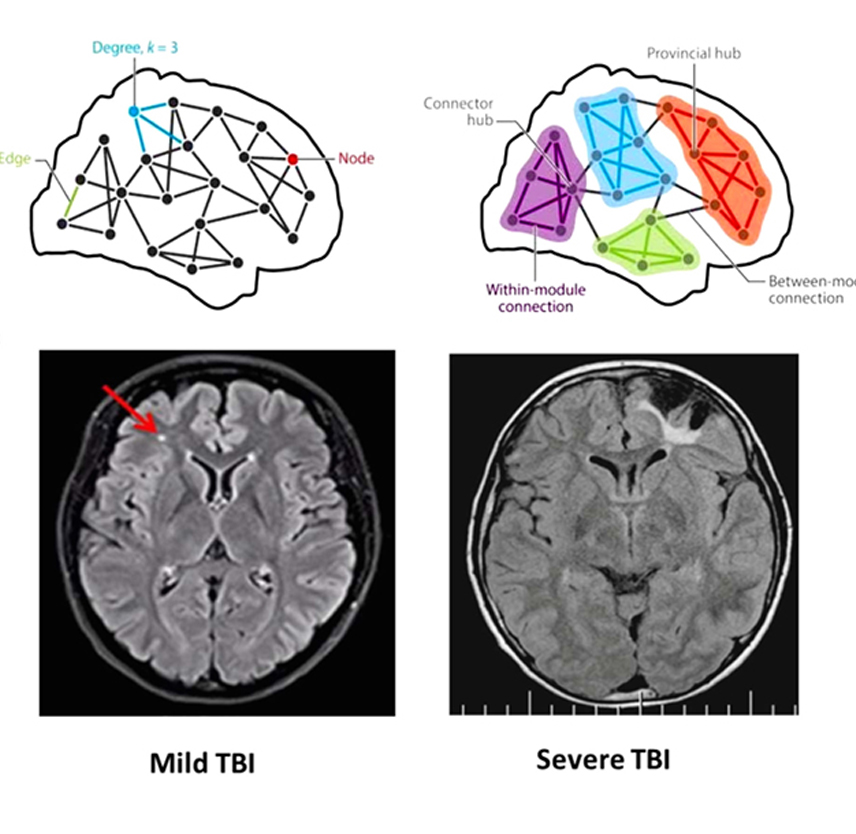
The consequences of mild traumatic brain injury turn worlds upside down. Headache, double vision, and balance difficulties are the most obvious problems, but less visible symptoms can be the most insidious and difficult to manage.
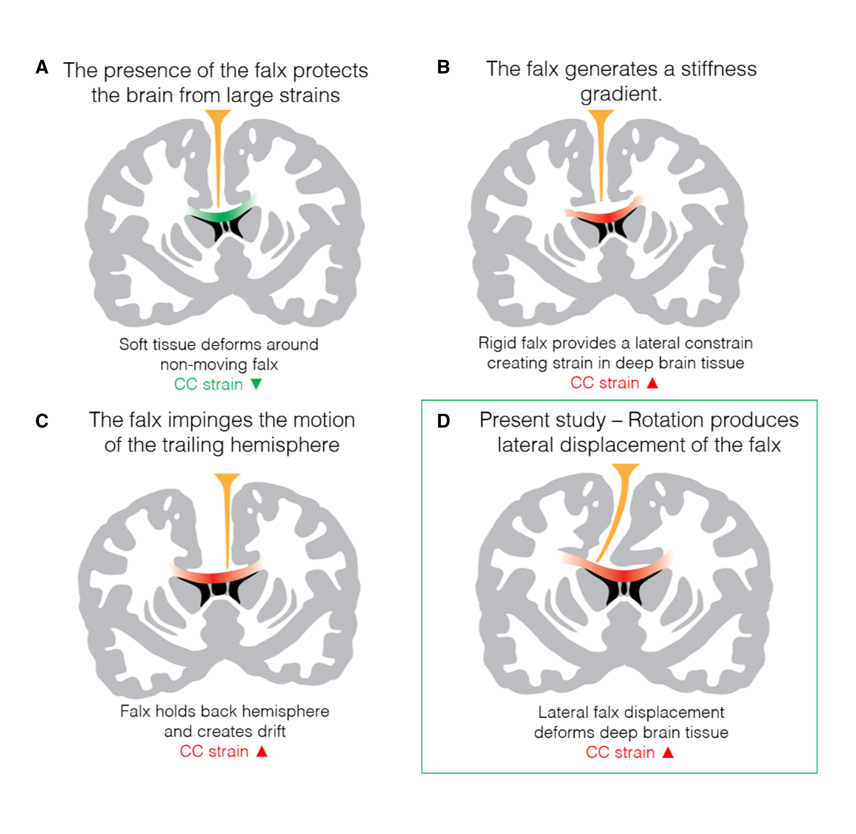
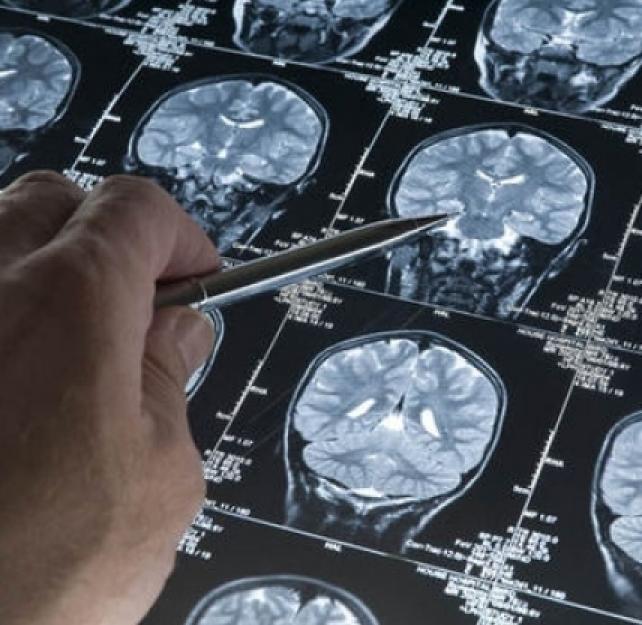
Through a combination of biometric tracking, simulated modeling and medical imaging, researchers detail how hits to the side of the head cause concussion
A new University of Michigan study confirms what many hospital emergency rooms nationwide are seeing: Teens playing contact sports suffer from concussions.
Study compares abnormal menstrual patterns in adolescents and young women with a sport-related concussion and those with non-head sport-related orthopedic injuries.
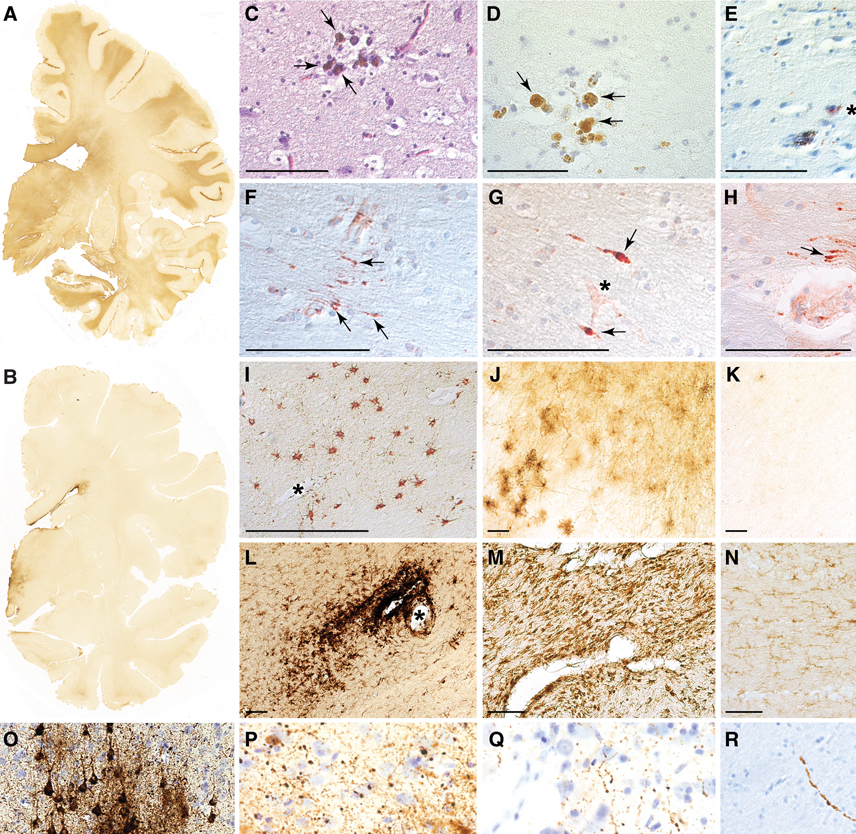
A study published in Brain, a journal of neurology, presents the strongest case yet that repetitive hits to the head that aren't concussions do cause CTE.
A study involving more than 1,500 found that an earlier return to school benefited children ages 8 to 18, who had less severe symptoms two weeks after their concussion compared with kids who stayed home longer.
Understanding the puzzling and complex nature of concussion and how to treat it will take a whole new way of approaching the problem, according to new research led by Portland State University.
A new study published in Neurology dispels the notion that "mild" concussions have no lasting impact on mental skills like thinking, remembering, and learning. Poor cognitive outcomes are common 1 year after injury.
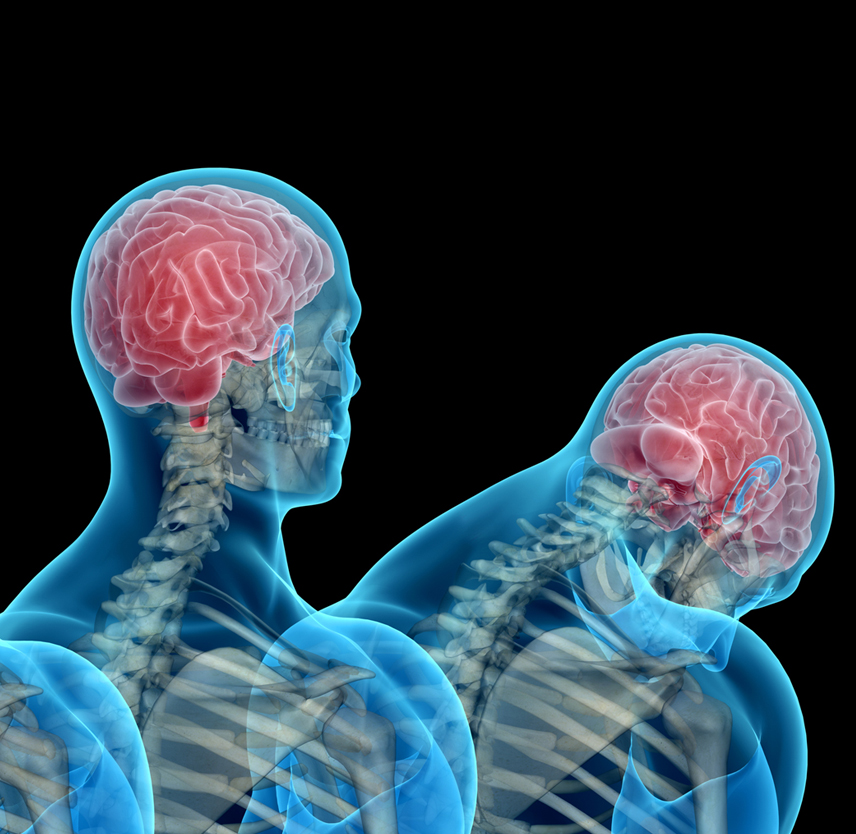
The way our head and neck are positioned during a head-on impact may significantly affect the risk of concussion — but tensed up neck muscles seem to offer far less protection.