Use the filters to browse the information we have available or to narrow your search results for a specific audience (e.g. caregivers, military, children), a preferred type of content (e.g. videos, blogs, articles), or by topics of interest (e.g. family concerns, legal issues, symptoms).
The group rushed down the halls and stairways as a growing trail of people followed. All searched for a path to safety. The security at the Pentagon, meant to keep enemies from breaching its perimeter, had trapped them within the fortified walls.
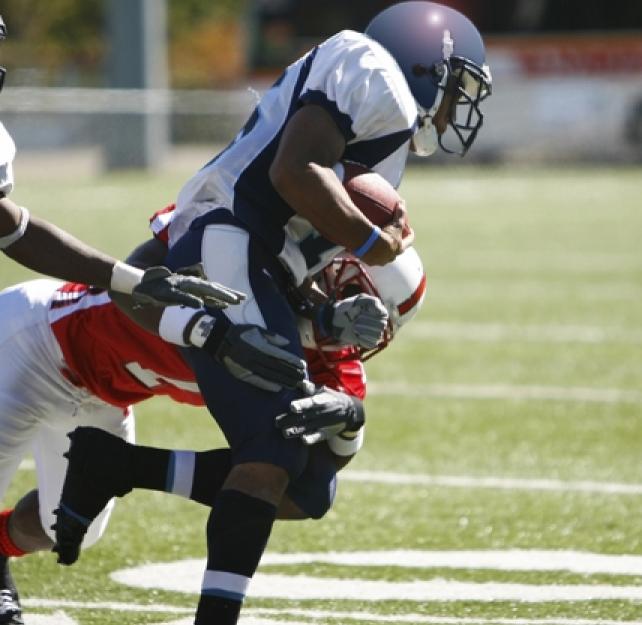
Once upon a time, researchers and doctors treated all traumatic brain injuries the same, but they now know that the mechanism of injury plays a key role in diagnosis and treatment. There are many parallels for civilians and service members who sustain a traumatic brain injury, but the people are very different. Athletes who sustain a TBI most likely will not have the overlapping emotional challenges that service members may who sustained their injury in combat or in a more threatening setting. Helping service members and veterans often includes treating them for both TBI and PTSD simultaneously.
Each year, traumatic brain injuries (TBI) contribute to a substantial number of deaths and cases of permanent disability. Understanding the data around brain injuries is critical to understanding the impact of this invisible public health crisis.
General Peter W. Chiarelli, Vice Chief of Staff of the Army, is leading the Army’s efforts as it tackles the challenges of identifying and treating the signature wounds of the conflicts in Iraq and Afghanistan — post traumatic stress and traumatic brain injury.
Foods are best eaten in their most alive, natural states. Learn more about what you put in your body and how it can affect you physically and emotionally.
What you eat greatly influences your body's ability to function well — physically and emotionally. Eating right is even more important after a brain injury.
I found something special—a letter I’d hand written to myself marked: To be opened six months later. I don’t have any memory of writing the letter, but when I read it all these years later, I was pretty impressed with what I had to say. Especially since I remember that when my rehab staff recommended journaling after my TBI, my entries were really depressing...
Adolescence is a time of significant brain and cognitive development and, related to these developments, significant changes in communication functions.
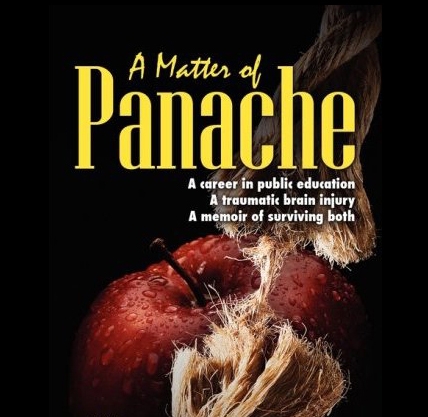
As a caregiver, wife, and mother, I have found great solace in sharing my story. I have also learned a great deal from reading first-hand experiences of people who have survived a TBI. I recently read two new books about brain injury that I'd like to share. Both stories add new insight into the way we experience traumatic brain injury in our own lives.
“TBI is not a derogatory term. It is not career-ending. Hiding it from everyone else is derelict. You could get other people killed. If you don’t ask for help, it makes you less of a man.” Read Karl Holt's story.