Use the filters to browse the information we have available or to narrow your search results for a specific audience (e.g. caregivers, military, children), a preferred type of content (e.g. videos, blogs, articles), or by topics of interest (e.g. family concerns, legal issues, symptoms).
My case manager’s brain was pondering the logistics and the potential extent of Christine’s injuries. But my brain as a Mother was focused intently on keeping myself together so that I could be effective.
Looking back over the years, I never expected to live a life defined largely by being a brain injury survivor. Early on, I was completely unable to see that there might be a silver lining to all that has come to pass ...
During Steven’s many years of rehabilitation, when tanks ran empty, when exhaustion hit so hard that not even a double shot of espresso coupled with dark chocolate could revive me, silver linings showed up in the form of everyday people...
"When a loved one is radically changed after a brain injury, seldom do we focus on the positives that might have sprung from the aftermath of a traumatic injury," writes BrainLine blogger, Rosemary Rawlins.
If you are new to a life that now includes brain injury and everything feels different and unfamiliar, you are not alone. We all go through it. But I can share with you that time will change your perspectives...
In the midst of crisis, between panic and hysteria, thoughts creep in. How did this happen? What could I have done? These questions form the beginning of a long line of self-recriminating thoughts that haunt many caregivers...
I almost died giving birth. I don’t talk about it much because I didn’t die. I am here. Baby just turned 6 and her little sister is 4. They are thick as thieves and their dad and I are over the moon. But I almost died.
Since his injury, my husband and I have come to agree on one point: we will never fully understand each other’s struggle in this mess. And while we can never hope to fully appreciate the depth or complexity of each other’s experiences, we do our best to stay constantly respectful of the hard work that keeps us going.
I’ve kept in touch with a handful of healthcare professionals I had met in the early days of Taylor’s ordeal. These people not only taught me about the physical effects of brain injury and ways to participate in Taylor’s care, but they also taught me another invaluable lesson: the art of letting go.
Last month, Sarah and I took a trip to rural Maine for another first-time life experience. I was more excited than fearful when I jumped out of a plane at 14,000 feet and I can now add skydiver to my life résumé! Had I listened to the advice I received from doctors a decade earlier, the thought of jumping out of a plane would have seemed preposterous.
Rachel Derrington is not the same person she was before her brain swelled up and changed her attitude, priorities and sense of self. She is better. Rachel shares the four things that turned her from an survivor to a thriver.
While my thoughts should have been carefree during our summer vacation at our favorite North Carolina beach, each day as I took in the vastness of the ocean, I was reminded of the far reaches of traumatic brain injury (TBI) and grief.
Three of my four sons abruptly walked out of my life with no explanation and no communication. I was being ghosted long before that term even existed. It was, by far, the most painful part of my journey.
The evening should have been one of the most memorable and enjoyable evenings of my 25-year military career. Instead, I nearly destroyed it because I couldn’t control my drinking.
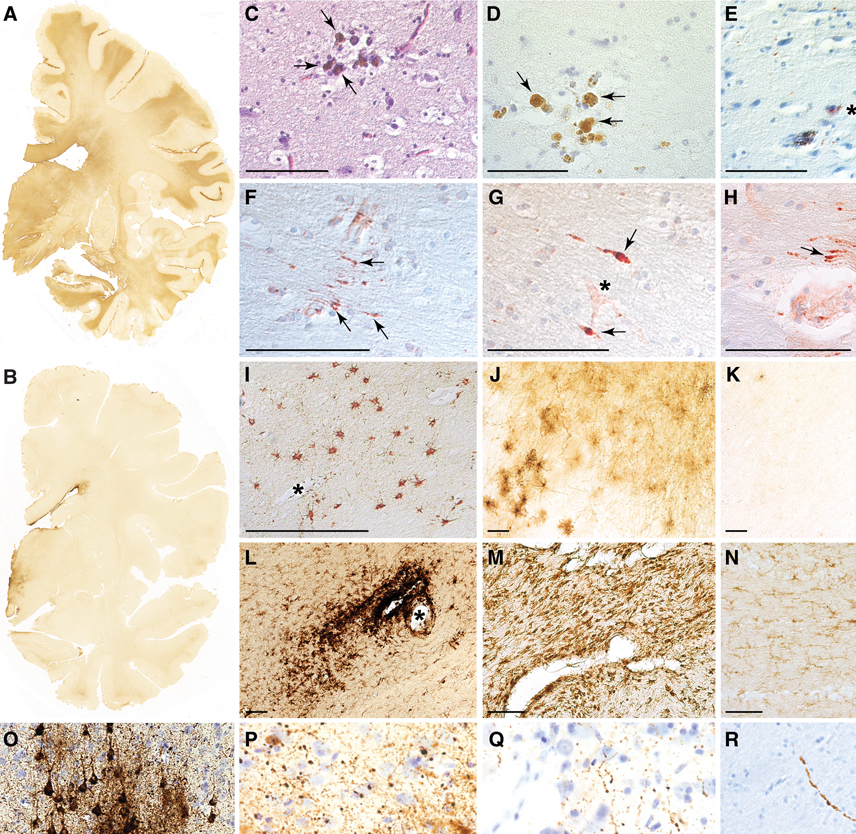
A study published in Brain, a journal of neurology, presents the strongest case yet that repetitive hits to the head that aren't concussions do cause CTE.