Use the filters to browse the information we have available or to narrow your search results for a specific audience (e.g. caregivers, military, children), a preferred type of content (e.g. videos, blogs, articles), or by topics of interest (e.g. family concerns, legal issues, symptoms).
Thanksgiving is a uniquely American tradition that includes feasting and sharing all for which we are grateful. But this year, I’m just not feeling it. There’s too much weighing heavily on my mind.
Veterans taking part in Warrior Care Network receive a year’s worth of mental health care during a 2-3 week intensive outpatient program (IOP) using evidenced-based treatments and alternative therapies.
Dr. Erin Fletcher describes what exactly happens at Wounded Warrior Project (WWP)'s Warrior Care Network, what types of treatments and other services are provided, and what the veteran and their family will experience.
“Long COVID is an umbrella term for the many post-acute consequences that result from COVID-19. The more we learn, the more we see that COVID-19 can affect nearly every organ in the body — from the heart and brain to the lungs, kidneys, skin, and gastrointestinal (GI) tract. We are still learning, but we need to listen to our patients, validate their experiences, and treat their symptoms.”
I almost died giving birth. I don’t talk about it much because I didn’t die. I am here. Baby just turned 6 and her little sister is 4. They are thick as thieves and their dad and I are over the moon. But I almost died.
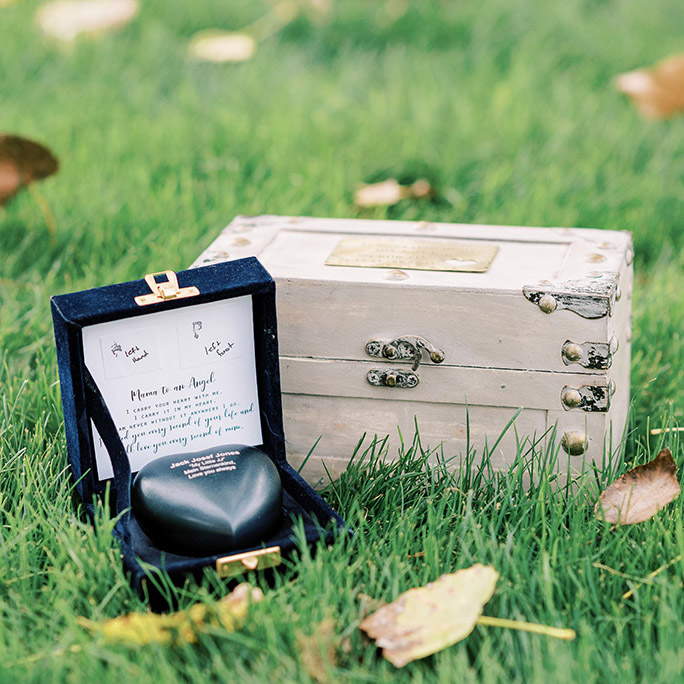
“During pregnancy, a mother celebrates the journey with family and friends — think baby names, baby showers, nurseries, tiny clothes … smiles from strangers and proud hands on an ever-expanding belly. The journey of being pregnant is both personal and public. So, what should be one of the most magical experiences shared with family, friends, and colleagues becomes one of private emotional and physical trauma in a closed room, an experience that is then often not acknowledged nor spoken about. The mother returns home still looking pregnant, her hormones still acting as if she is pregnant, but her arms and heart are empty.”
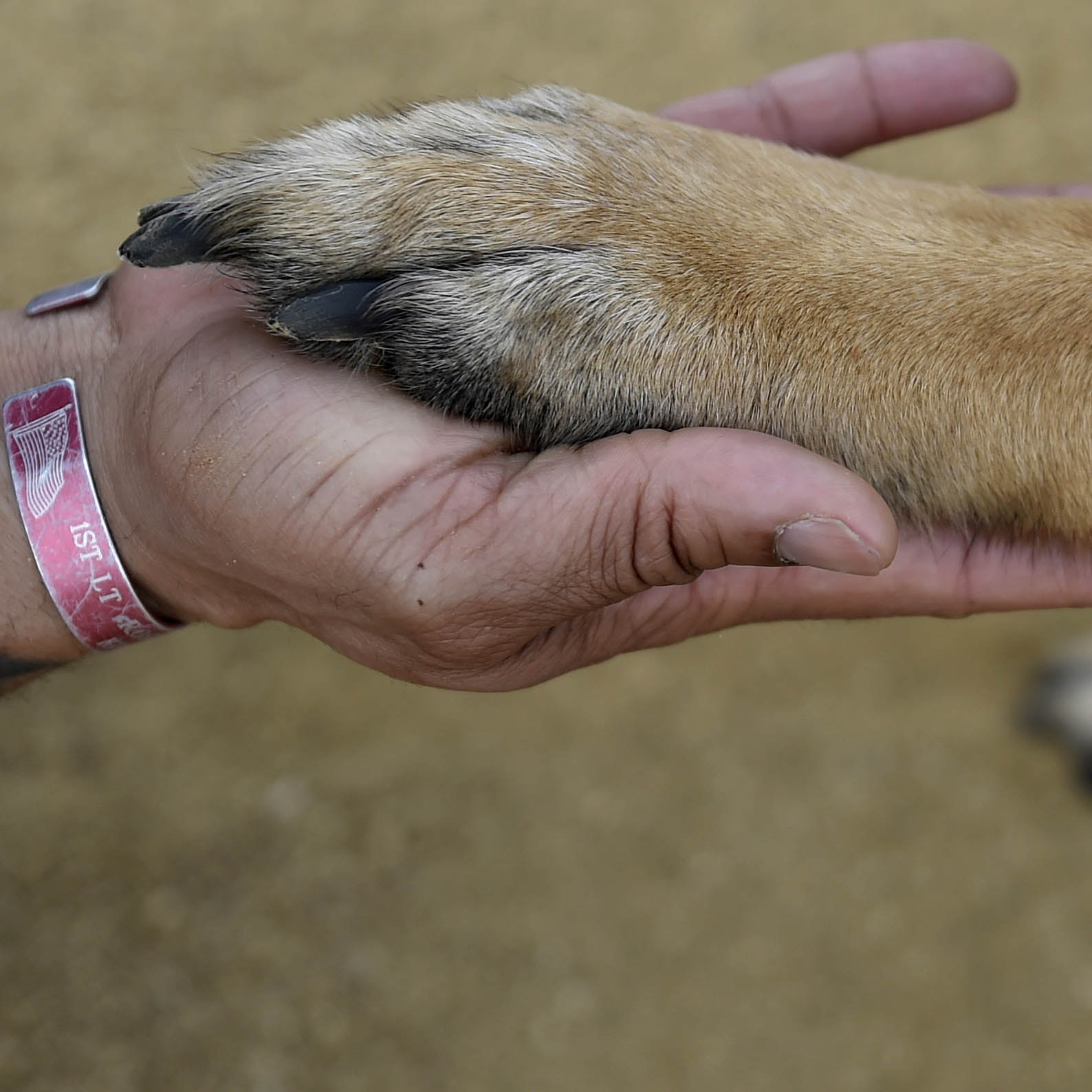
Meta-analysis (9 articles) revealed that partnership with an assistance dog had a clinically meaningful, significant, and large effect on PTSD severity scores. Increasingly prevalent research on assistance dogs for veterans with PTSD provides support for the impact of this complementary and integrative health intervention on PTSD symptom severity, and signs of meaningful improvements in adjacent domains including mental and social health.
September is Suicide Prevention Awareness Month. If you are military-connected then you know the 22-veterans-a-day average. You’ve seen the blue ribbons plastered everywhere on base/post. If you are a veteran or caregiver, you’ve seen similar posters at the VA. You’ve probably gone to an annual suicide prevention training or two. You know the signs, you know what to look for and what to do if you are worried about someone’s safety. But nothing can truly prepare you for when it happens.
Trauma can be a strange and often insidious beast. We can be traumatized by directly being impacted by an event like a violent physical attack, a rape, a natural disaster, or an experience in combat, but we can also be traumatized indirectly by caring for, hearing about, or witnessing the intense suffering of others. Both the direct and indirect impact of traumatic events can lead to post-traumatic stress disorder (PTSD).
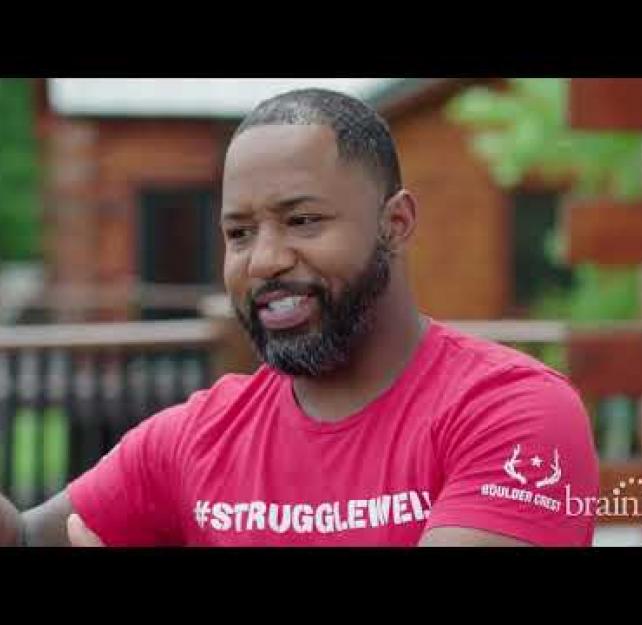
At Boulder Crest veterans talk constantly, supporting each other and reminding each other of the personal growth they are continuing to make in the program.
Many people with disabilities use a service animal in order to fully participate in everyday life. Dogs can be trained to perform many important tasks to assist people with disabilities, such as providing stability for a person who has difficulty walking, picking up items for a person who uses a wheelchair, preventing a child with autism from wandering away, or alerting a person who has hearing loss when someone is approaching from behind.
The more I start to recognize what I am feeling — both physically and emotionally — the more I can speak up for myself, and advocate for what I need. It is not easy, and not something that everyone wants to hear, but I need to care for myself, too.
“Open therapeutic discussion works. It’s like you’re in the woods, it’s pitch-black, there are noises and shadows … and it’s just you, alone, with your one beam of flashlight light bouncing around as you turn this way and that, fight or flight. It’s terrifying. It’s a lot less scary if you’ve got 20 buddies at your side, 20 flashlights that can easily illuminate the forest for what it is, yes, noises and shadows, but once revealed, not so frightening at all. So, all this listening, talking, and sharing made possible by gaming and streaming worked for me and there are a lot of people out there struggling in similar ways who can similarly heal."
Typical PTSD, a formal diagnosis in The Diagnostic and Statistical Manual of Mental Disorders (DSM-5-TR), is defined as a mental health condition that’s triggered by a terrifying event — either experienced or witnessed — such as a car crash, an earthquake, or a sexual assault. Complex PTSD, on the other hand, includes all the facets of a primary diagnosis of PTSD but is related to a series of traumatic events over time or one prolonged event. CPTSD is not yet a formal diagnosis in the DSM-5-TR.
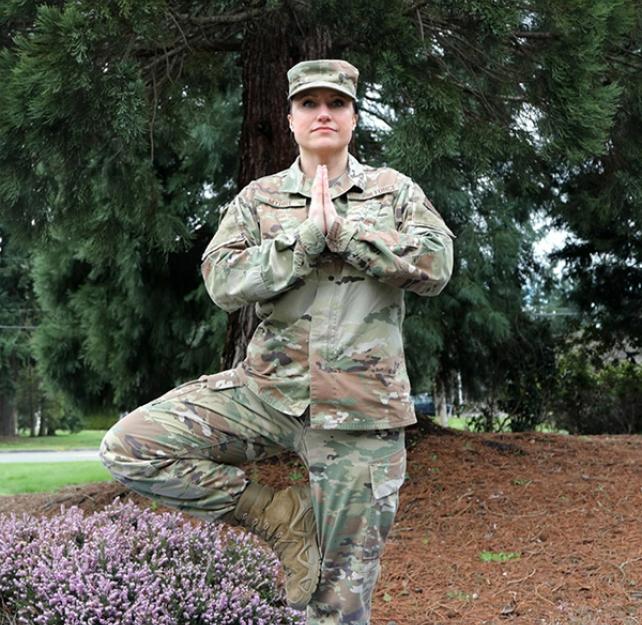
A Marine Veteran herself, she was resistant to try mindfulness, meditation, and yoga; these practices seemed ridiculous to her. But with time and patience, she began to feel great benefits of them.
A Field Operator in the Marines, Ashton Kroner downplayed her symptoms after sustaining traumatic brain injuries, which may have exacerbated them in the long term.
It’s not always heavy metal or even hard rock, but it is usually very loud, with a driving beat. Why? What is it about that thumping bass that veterans, at least in our circle of friends, seem to love blasting at top volume? Is it their battle cry?
I think what’s crucial to understand is that we are not our emotions. I read somewhere that if you visualize yourself standing behind a waterfall, you can watch your emotions, one by one, fall with the water. They come, they go, they wash over you, but they are not you.