Use the filters to browse the information we have available or to narrow your search results for a specific audience (e.g. caregivers, military, children), a preferred type of content (e.g. videos, blogs, articles), or by topics of interest (e.g. family concerns, legal issues, symptoms).
It will be true on the day I post this, and it will be true on the day that you read it. Another Veteran will have succumbed to the struggle and died by suicide. You may wonder, “what can I do?”
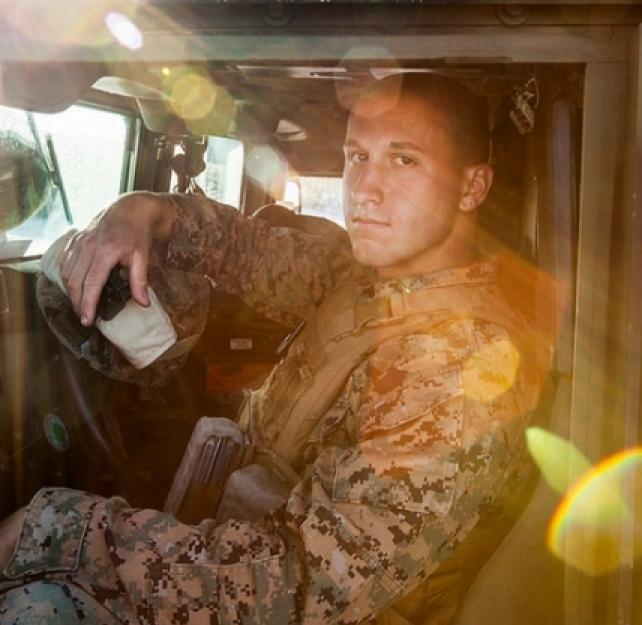
Our lives did not peak on a mountaintop in Afghanistan, or a jungle in Vietnam. They do if we think they do; if we see that as the ultimate achievement in our lives, and everything else is downhill and meaningless, then that’s what we will believe. That’s not the case.
Cognitive Processing Therapy (CPT) teaches you to reframe negative thoughts about the trauma. It involves talking with your provider about your negative thoughts and doing short writing assignments.
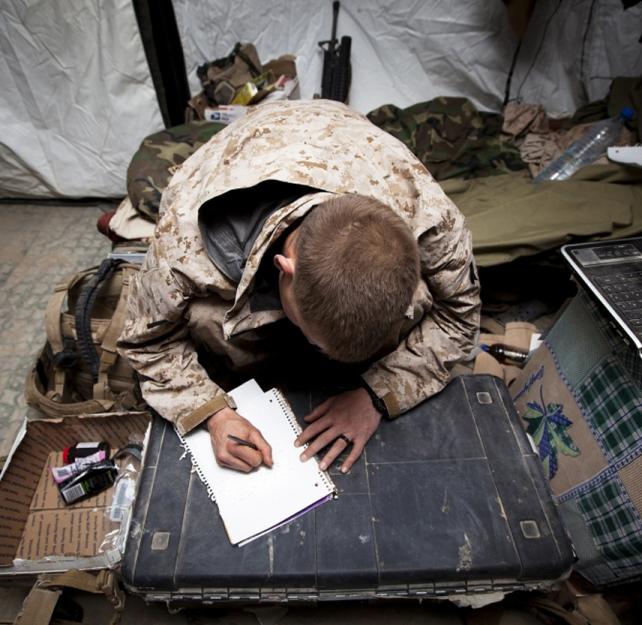
Working with any client can be challenging, but veterans can be especially difficult because of the warrior culture that they are used to. Here what veterans would like their mental health counselor to know before working with them.
Prolonged Exposure (PE) teaches you to gradually approach trauma-related memories, feelings, and situations that you have been avoiding since your trauma. By confronting these challenges, you can decrease your PTSD symptoms.
My experiences don’t define me, and the Purple Hearts, TBI, and mental health diagnoses of my brothers and sisters don’t define them. I want to survive, and thrive, in spite of what I did and what happened to me...
When challenging things happen, emotional health lets you bounce back and move on. Most of us take emotional and mental health for granted and only focus on it when problems occur. But like physical health, it requires attention to build and maintain.
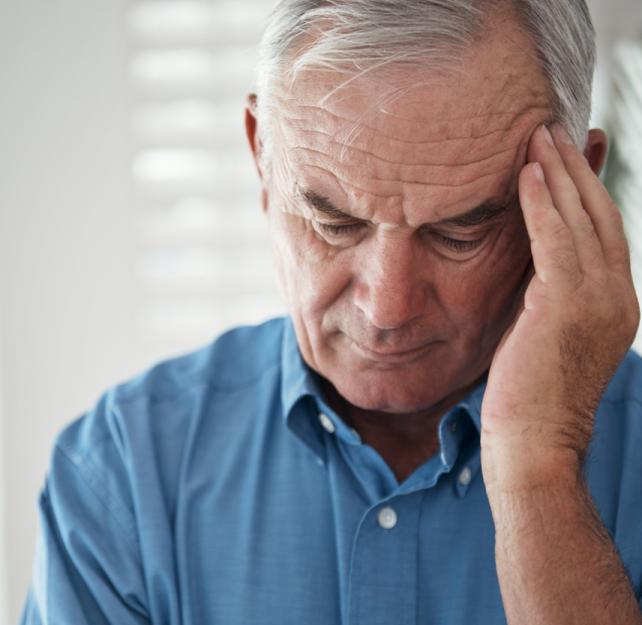
Family nurse practitioner Helen Coronel emphasizes the importance of taking a good history before deciding on a treatment approach for TBI-related headaches.
Veterans who sustained a traumatic brain injury (TBI) may be suffering from a range of symptoms. Learn how to cope using these strategies and resources.
DVBIC's TBI Recovery Support Program ensures that service members and their family is supported and connected to appropriate resources as they progress through the entire continuum of care to recovery.
Coping techniques for caregivers and families who are trying to manage stress, anxiety or sadness, while caring for an injured service member/veteran. Experts provide advice on relaxation and self-care.
Everyone in the family is affected by a brain injury. Your role within the family has changed and the role of your family member with TBI may also have changed. Here are some tips and strategies to assist families during this time of transition.
The prevalence of PTSD across different populations based on recent studies that have assessed the prevalence of PTSD in nationally representative samples as well as in samples of Veterans.
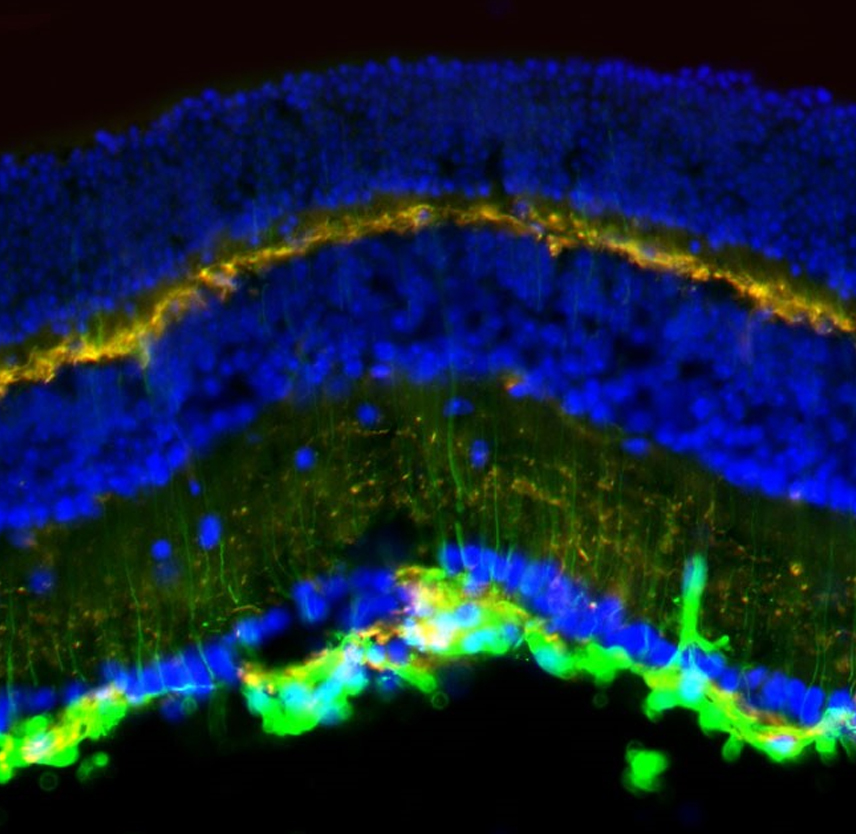
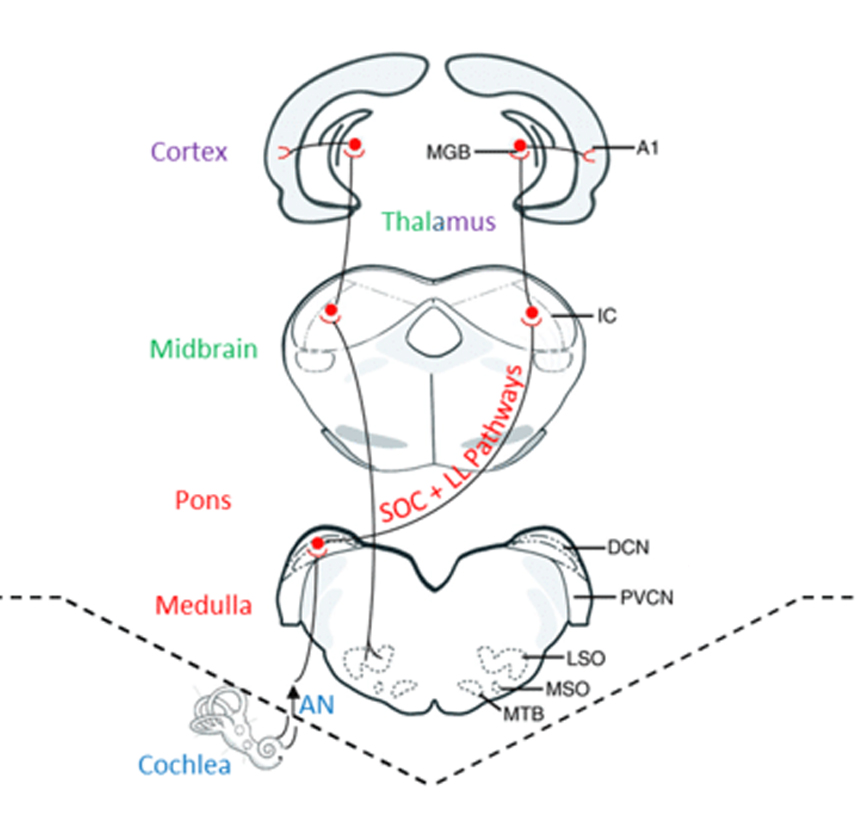
Research findings suggest mild blast trauma suffered by military personnel affects portions of the auditory system that have not been extensively studied after injuries occur, and this impairment might be diagnosed using well-established testing methods.
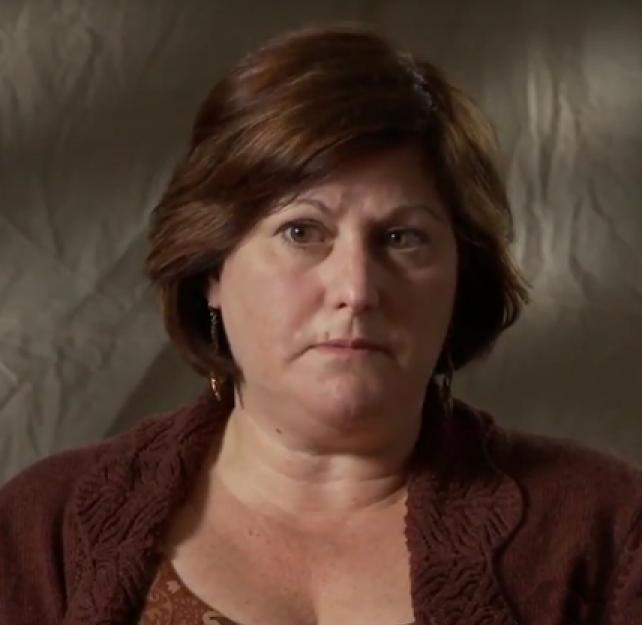
Caregivers play a vital role in helping veterans recover from TBI and post-traumatic stress. In this article, four military caregivers describe the first major challenge they faced as they began taking on the role of caregiver.