Use the filters to browse the information we have available or to narrow your search results for a specific audience (e.g. caregivers, military, children), a preferred type of content (e.g. videos, blogs, articles), or by topics of interest (e.g. family concerns, legal issues, symptoms).
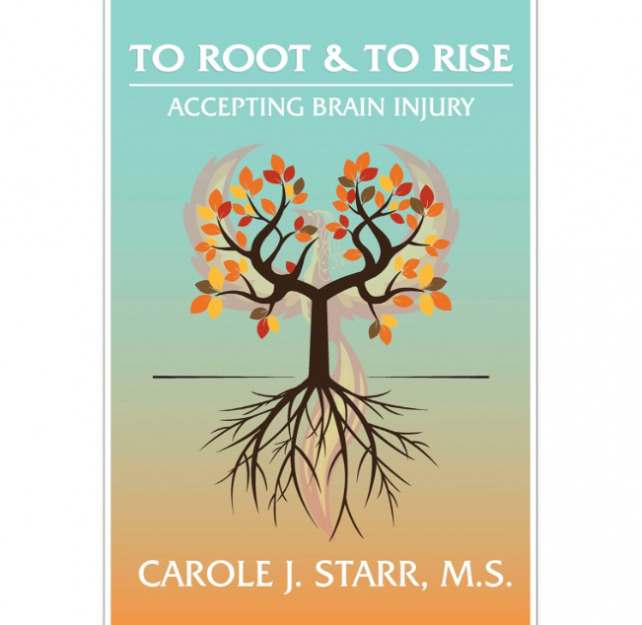
Something that I talk less about these days is how brain injury still affects me. And there are times, times like I am about to share, that brain injury still rears its ugly head, and leaves me completely bewildered and baffled.
This decision aid from the National Center for Posttraumatic Stress Disorder helps you learn about effective PTSD treatment options. You can read about the treatments or watch videos explaining how they work. You can even build a chart to compare the treatments you like most. At the end, you will get a personalized summary.
Traumatic brain injury (TBI) can have lifelong and dynamic effects on health and wellbeing. Research on the longterm consequences emphasises that, for many patients, TBI should be conceptualised as a chronic health condition. Evidence suggests that functional outcomes after TBI can show improvement or deterioration up to two decades after injury, and rates of all-cause mortality remain elevated for many years. Furthermore, TBI represents a risk factor for a variety of neurological illnesses, including epilepsy, stroke, and neurodegenerative disease. With respect to neurodegeneration after TBI, post-mortem studies on the long-term neuropathology after injury have identified complex persisting and evolving abnormalities best described as polypathology, which includes chronic traumatic encephalopathy. Despite growing awareness of the lifelong consequences of TBI, substantial gaps in research exist. Improvements are therefore needed in understanding chronic pathologies and their implications for survivors of TBI, which could inform long-term health management in this sizeable patient population.
For close to nine years, I’ve been working on navigating life as a brain injury survivor. Thankfully, as time passes, my life as a brain injury survivor has gotten easier. Like any human being with a heartbeat, though, I have other health issues. These are health issues that need my attention and constant care. It is at the intersection of brain injury and some of my other health concerns where things can get very dicey.
This handout provides a brief summary of what researchers currently know and don’t know about chronic traumatic encephalopathy, or CTE. Research on CTE is growing, and more studies are needed to help answer many remaining questions. CDC will update this handout as more information on CTE becomes available.
BrainLine sat down with Dr. Barbara Rothbaum, a professor in the Department of Psychiatry and Behavioral Sciences and director of the Trauma and Anxiety Recovery Program at Emory University School of Medicine and part of the Wounded Warrior Project’s® Warrior Care Network®. Dr. Rothbaum spoke about treating PTSD and her pioneering work in virtual reality exposure therapy.
Recovering from a horrific accident, brain injury and defying all expectations, Ben Clench tells his story and shares important lessons around the way we provide and ask for support.
If you are new to a life that now includes brain injury and everything feels different and unfamiliar, you are not alone. We all go through it. But I can share with you that time will change your perspectives...
The Amazing Brain Injury Survivor Support Group in Framingham, MA, shares what they wish they had known earlier about living with brain injury. We invite you to add your thoughts as well!
Todd Ewen, a former professional hockey player, took his own life in 2015. Before his death, he confided in his wife, Kelli, that he feared he may have chronic traumatic encephalopathy, or CTE.
I don’t think the meaning of life is really any different without a brain injury, except it may be more clear after TBI. It is clearer because it is less clouded by alternatives.
Last month, I hit a low point and realized that it was time to seek professional help again. I sought out a local doctor familiar with using EMDR to treat my PTSD.
Sleep problems and post-traumatic stress disorder (PTSD) share a complicated relationship, so for those experiencing or at risk for this double whammy, as well as for those treating patients, it’s important to understand how they can influence each other in a cycle. Learn the connection between PTSD and sleep, the different ways to approach treatment, the therapies available, and explore the connection between trauma and nightmares.