Use the filters to browse the information we have available or to narrow your search results for a specific audience (e.g. caregivers, military, children), a preferred type of content (e.g. videos, blogs, articles), or by topics of interest (e.g. family concerns, legal issues, symptoms).
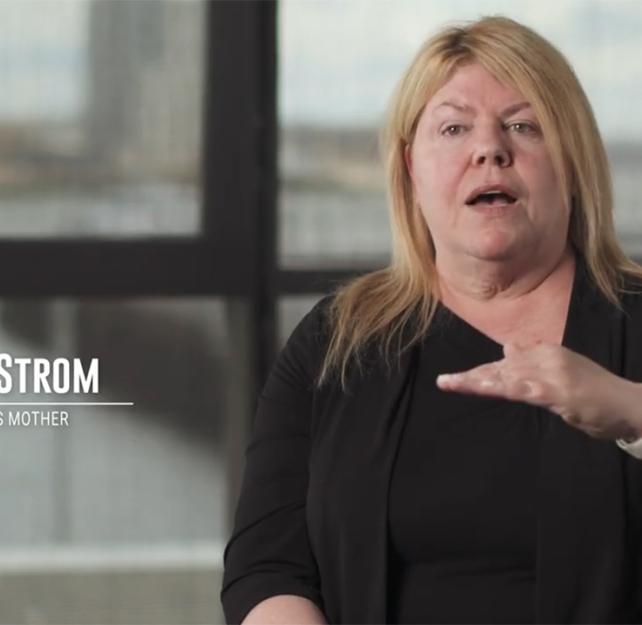
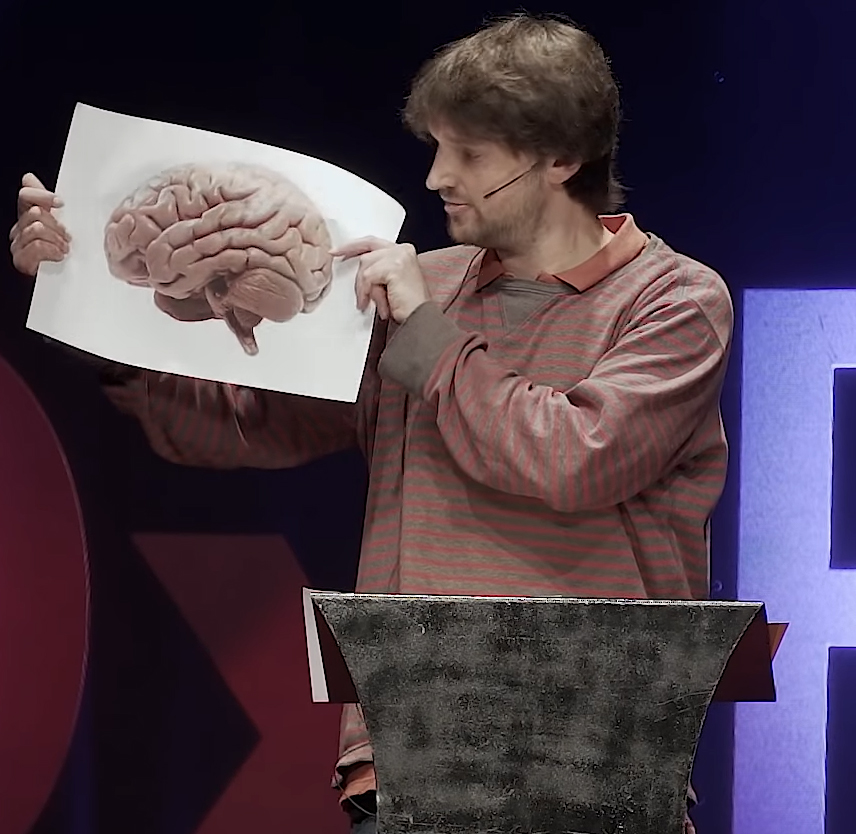
In this video, Gail Strom, mother of Hannah, shares her personal experience navigating the emotional ups and downs of a loved one’s recovery from a disorder of consciousness.
Looking back over the years, I never expected to live a life defined largely by being a brain injury survivor. Early on, I was completely unable to see that there might be a silver lining to all that has come to pass ...
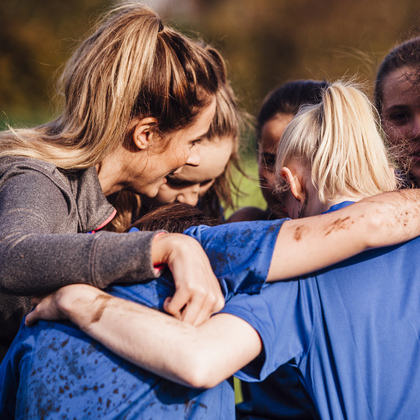
Female athletes are more susceptible to sport-related concussions (SRCs) and experience worse outcomes compared with male athletes. Although numerous studies on SRC have compared the outcomes of concussions in male and female athletes after injury, research pertaining to why female athletes have worse outcomes is limited.
Identifying racial trauma and getting specific help to heal, especially taking into account the historical and generational context, is crucial as society takes much needed strides toward racial justice.
Businesses, restaurants, and other establishments including, ironically, the VA, should become more educated about service dogs and the Americans with Disabilities Act.
In our country—and around the world—we are witnessing a rise in suicide, drug dependency, and poor access to physical and mental health services. Programs like Wounded Warrior Project feel it is their responsibility to translate their best practices offered to veterans and service members for treatment and rehabilitation for these conditions to the entire country and world of civilians.
Kevin Ash, a veteran, felt strongly about helping others. His brother Connor Martin knows Kevin would be proud to continuing helping others even after his death by raising awareness of TBI, CTE, and brain donation.
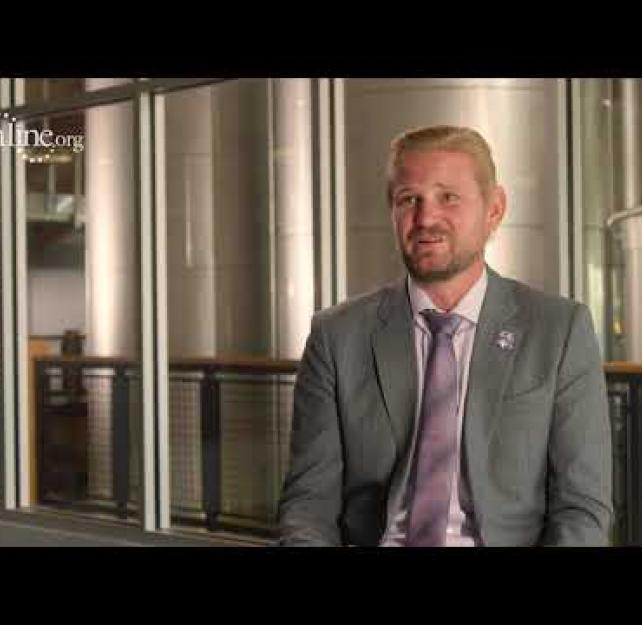
Veteran Jonathan Warren talks about his experience with the Inifinite Hero Foundation and the growing collaboration in the non-profit and medical fields.
As I moved throughout 2019 I asked myself, “What could people give survivors that would actually feel meaningful? What kinds of offerings and interactions provide a lasting impression?”
Recovering from a horrific accident, brain injury and defying all expectations, Ben Clench tells his story and shares important lessons around the way we provide and ask for support.
Free, personalized brain injury wallet identification card designed to help police, emergency personnel, and others more easily identify brain injury survivors, and insure that they are treated appropriately, and provided support as needed.
Research shows that victims of domestic violence suffer brain injuries similar to those of football players. Experts are looking at ways to address this silent epidemic.
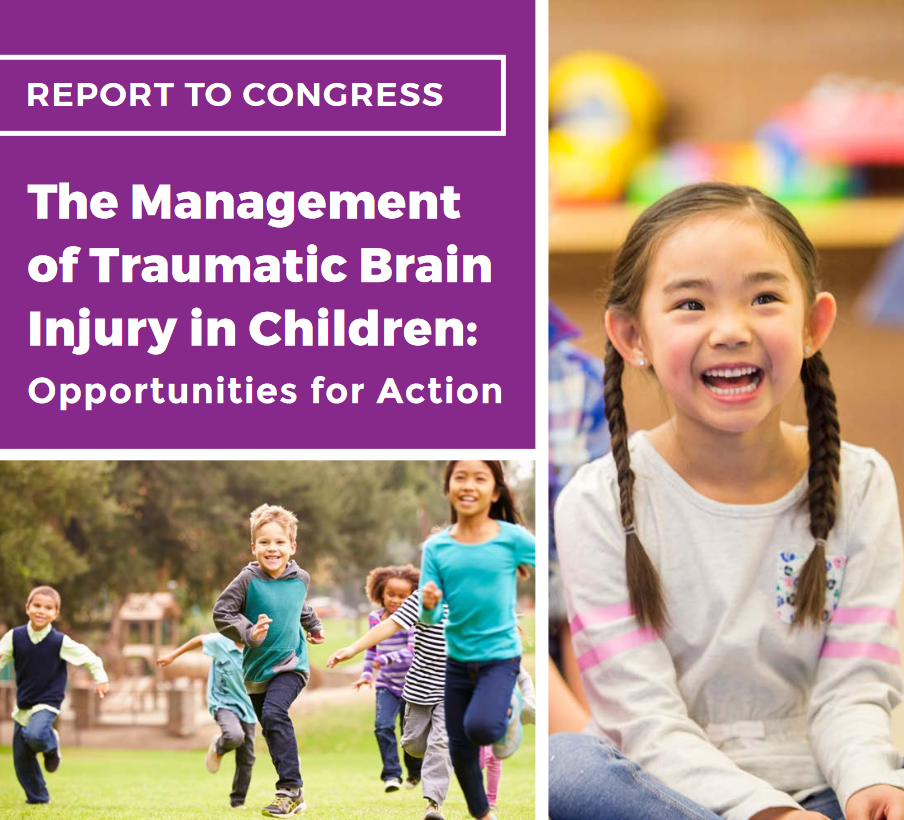
The CDC outlines current gaps in traumatic brain injury care and provides clear opportunities for action to improve the management and outcomes of TBI in children
Armed with basic information and helpful resources, anyone can become an effective advocate for themselves. Some people may choose to hire an advocate, while others may ask family and friends to help out.
People with brain injury can have problems with accessibility. They can run into countless obstacles — from websites that don’t take into account someone with vision problems or memory problems to buildings without wheelchair access. Here's what you need to know.
The prevalence of PTSD across different populations based on recent studies that have assessed the prevalence of PTSD in nationally representative samples as well as in samples of Veterans.
According to a national poll, a majority of Americans say they believe concussions and brain injuries resulting from sports are a major problem and leagues like the NFL are not doing enough to respond.