Use the filters to browse the information we have available or to narrow your search results for a specific audience (e.g. caregivers, military, children), a preferred type of content (e.g. videos, blogs, articles), or by topics of interest (e.g. family concerns, legal issues, symptoms).
What is neurofatigue? How does it affect people with brain injury (TBI)? Find out what it is, what it feels like, and what you can do to help mitigate symptoms and start to feel better.
Her husband was different when he came home from his deployment. Jenna married the love of her life, Isaac, in the United States Navy. He returned home from Afghanistan a changed man. Jenna started feeling stressed out herself.
Veterans taking part in Warrior Care Network receive a year’s worth of mental health care during a 2-3 week intensive outpatient program (IOP) using evidenced-based treatments and alternative therapies.
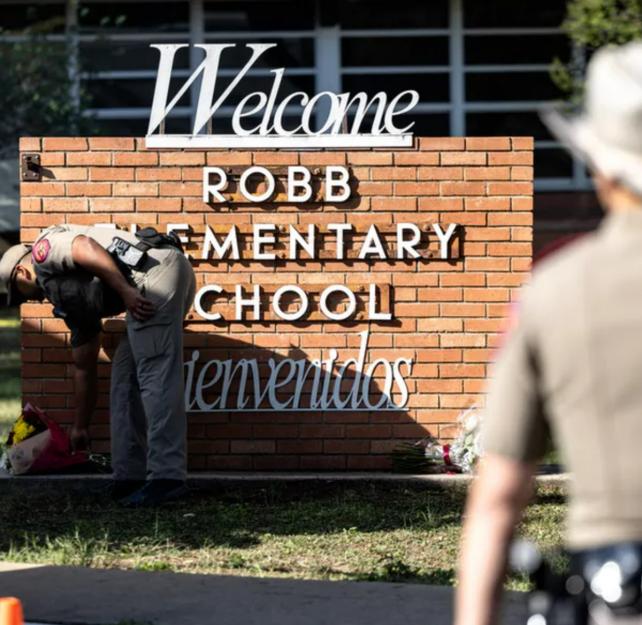
It is important to understand that no two people experience such horrific exposure in the same way. The extent of the trauma, stress or fear can vary. Survivors of a shooting may want to avoid the neighborhood where the shooting occurred or the context related to shooting, such as grocery stores, if the shooting happened at one. In the worst case, a survivor may develop post-traumatic stress disorder.
William "Bill" Jones joined the United States Army in response to the attacks on 9/11. After several deployments anger, anxiety, and symptoms of post-traumatic stress disorder (PTSD) were taking over and he retired from active duty.
I enjoy watching my husband cry. That sounds so much worse than what I really mean. He’s been on various medications for his PTSD some of which cause emotional blunting — not being able to laugh or cry when appropriate.
When you’re a man in society — not to mention a Navy SEAL in special operations — you are taught that the best (only) option is to be the strong, silent type. You can’t let your emotions control you. You can’t be sad, or too happy. Really, the only acceptable emotions for the masculine persona are stoicism and anger.
In the past, Russ and I would celebrate across oceans and time zones, sometimes a half hour off. Yes, really. Afghanistan is nine-and-a-half hours ahead of the east coast, 10-and-a-half from Texas. It was wild trying to sync up schedules but I would never turn down a 3AM-my-time video chat. I am grateful we don’t have to contend with that any longer. But Russ being home hasn’t made the transition from 2021 to 2022 any easier.
I can’t sleep, I feel irritated and fearful. And I worry about everything. I haven’t felt like myself in who knows how long. Could all these feelings be from the pandemic?
I keep hearing that I need cognitive behavioral therapy—talk therapy— to treat my symptoms of PTSD like hyper-arousal, depression, avoiding life, and being irritable all the time with my friends and family. Frankly, I don’t want to talk to someone for weeks and months. My wife keeps pressuring me, but the thought of therapy makes me feel weaker than I already am. Why do I feel this way? I’m not sure what to do. Dr. Klassen answers your questions about mental health treatment.
Whether they genuinely mean it or not, I don’t know how to respond when people say, “Thank you for your service,” Sometimes I want to cry, other times I want to shout in their face—you have no idea what I have gone through! My girlfriend thinks I’m crazy. Why do I feel this way? Dr. Klassen answers your questions about mental health treatment.
People get mad in Starbucks because their coffee drink is not right. Really? How can I deal with non-military people who seem to have no idea what we have all gone through?
Luego de sufrir un trauma, los sobrevivientes a menudo dicen que su primera sensación es sentirse aliviados por estar vivos. Esto podría estar seguido por estrés, miedo e ira. Los sobrevivientes de un trauma también podrían descubrir que son incapaces de dejar de pensar en lo que ocurrió. Muchos sobrevivientes presentan un alto grado de alerta, lo que hace que reaccionen intensamente ante los sonidos e imágenes a su alrededor.
Most people have stress reactions after a trauma. Having such a reaction has nothing to do with personal weakness. Stress reactions may last for several days or even a few weeks. For most people, if reactions or symptoms that feel like PTSD occur, they will slowly decrease over time.