Use the filters to browse the information we have available or to narrow your search results for a specific audience (e.g. caregivers, military, children), a preferred type of content (e.g. videos, blogs, articles), or by topics of interest (e.g. family concerns, legal issues, symptoms).
In this case series of 152 contact sport athletes younger than 30 years at the time of death, chronic traumatic encephalopathy (CTE) was found in 63 (41.4%), with nearly all having mild CTE (stages I and II).
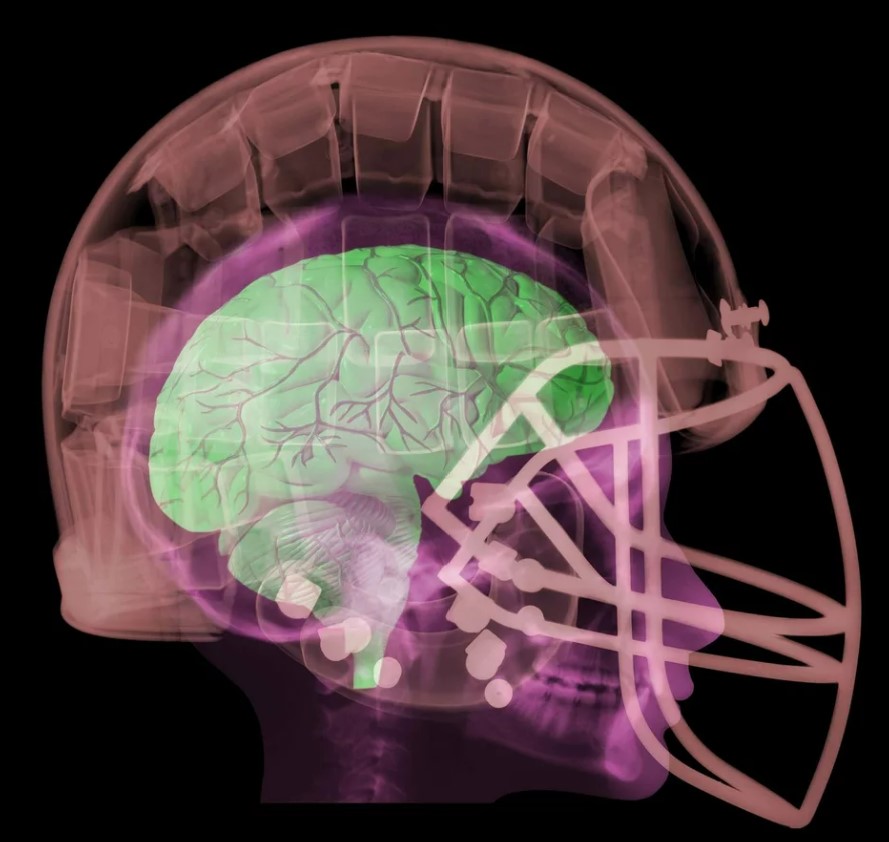
Chronic traumatic encephalopathy (CTE) is a neurodegenerative disease associated with a history of repetitive head impacts (RHI). To better understand the strength of evidence underlying the possible causal relationship between RHI and CTE, we examined the medical literature through the Bradford Hill criteria for causation.
After fighters' cessation of RHI exposure, cognitive function and brain thickness measures may stabilize and blood NfL levels may decline. This study could be a starting point to identify potential predictors of individuals who are at a higher risk of RHI-related long-term neurologic conditions.
Connor Martin and his family donated his brother Kevin Ash's and evidence of CTE was discovered, a condition that can only be diagnosed after death. Kevin's family encourages others to donate as well so we can learn more about brain injuries and CTE.
Would Connor Martin's brother, veteran and athlete Kevin Ash, have lived his life differently if he'd know more about traumatic brain injury? Connor doesn't think so. But Connor knows the dangers now and he tries to make things safer when he's active.
Connor Martin believes that donating his brother Kevin Ash's brain made a difference in how his family coped with Kevin's altered behavior and death after receiving traumatic brain injuries (TBIs).
Veteran Kevin Ash suffered blast injuries during his deployment, but it was a rugby tackle that put him in a coma. His brother Connor Martin said that when Kevin work up he had lost both hearing and sight but the family accepted these changes as the "new normal."
Connor Martin's brother, veteran Kevin Ash, fell into a coma after receiving a traumatic brain injury. After he woke up, though, his family discovered he had lost his sight and hearing which cost him a lot of independence. But his family fought to keep him active and engaged with life.
Kevin Ash, a veteran, felt strongly about helping others. His brother Connor Martin knows Kevin would be proud to continuing helping others even after his death by raising awareness of TBI, CTE, and brain donation.
Connor Martin's brother, veteran and athlete Kevin Ash, received a traumatic brain injury (TBI) that put him in a coma. Once he came out of it, though, he didn't seem able to communicate with Connor. It took some investigating to find out why.
Connor Martin's brother Kevin Ash sustained blast injuries during his deployments. When he returned to the States he found comradery by joining a rugby team. Unfortunately, a simple tackle resulted in a coma and significant large term effects.
Connor Martin was only 17 when his brother Kevin Ash had his last accident. Connor had spent his life looking up to Kevin and now his brother was unreactive in a hospital bed.
Connor Martin's brother, veteran and athlete Kevin Ash, returned from his deployments changed. He sought help and his mother fought for him, but they never found what he needed.
Connor Martin talks about donating his brother Kevin Ash's brain for study. Kevin was a veteran and an athlete who began exhibiting personality changes and his family wanted to understand what had happened, even if it was after his death.
Dr. Ann McKee, Director of the VA-BU-CLF Brain Bank, explains what CTE is, what causes it, how it spreads, its symptoms, and how the disease is diagnosed.
This handout provides a brief summary of what researchers currently know and don’t know about chronic traumatic encephalopathy, or CTE. Research on CTE is growing, and more studies are needed to help answer many remaining questions. CDC will update this handout as more information on CTE becomes available.
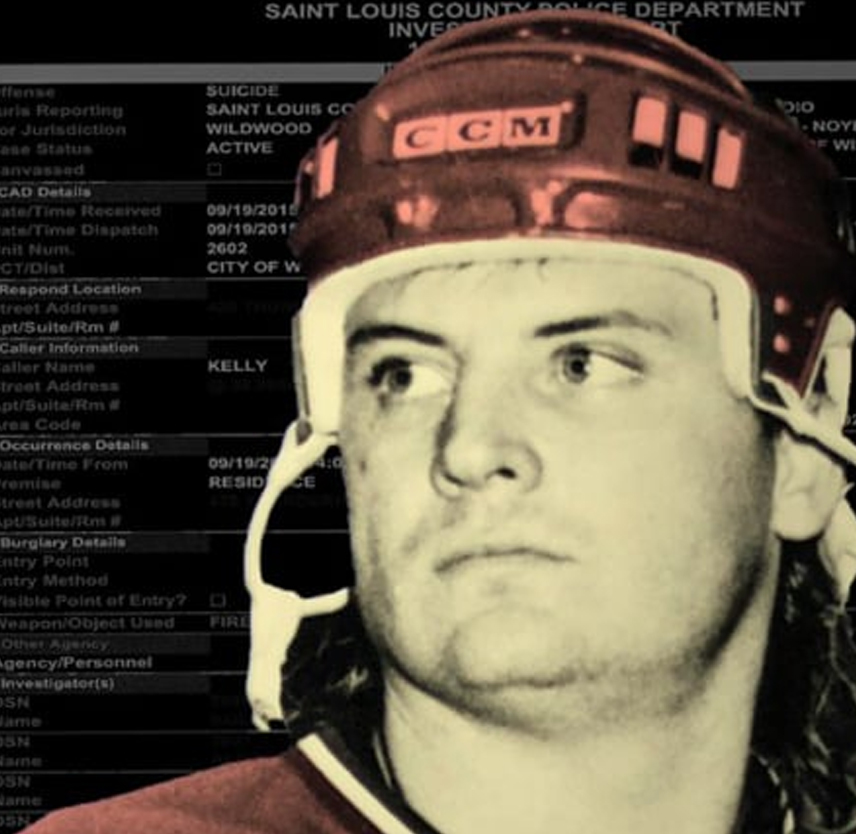
Todd Ewen, a former professional hockey player, took his own life in 2015. Before his death, he confided in his wife, Kelli, that he feared he may have chronic traumatic encephalopathy, or CTE.
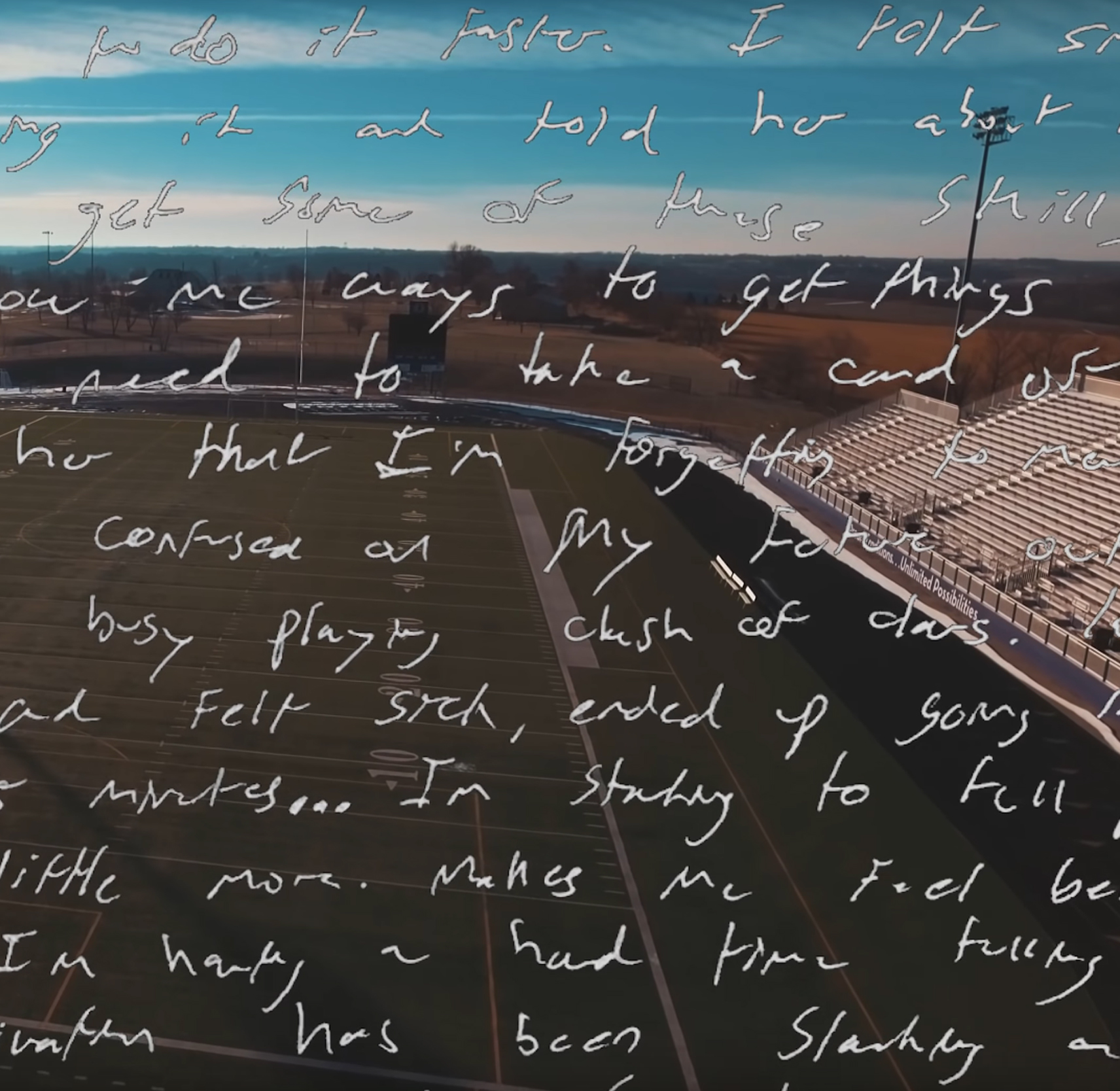
Zac Easter knew what was happening to him. So he decided to write it all down—to let the world know what football had done to him, what he’d done to his body and his brain for the game he loved. And then he shot himself.
CTE in the military is complex but service member donations represent a very small percentage of those given to the brain banks. Dr. Ann McKee believes that more donations for study means more knowledge that can help others with military experience.