Use the filters to browse the information we have available or to narrow your search results for a specific audience (e.g. caregivers, military, children), a preferred type of content (e.g. videos, blogs, articles), or by topics of interest (e.g. family concerns, legal issues, symptoms).
Trauma can be a strange and often insidious beast. We can be traumatized by directly being impacted by an event like a violent physical attack, a rape, a natural disaster, or an experience in combat, but we can also be traumatized indirectly by caring for, hearing about, or witnessing the intense suffering of others. Both the direct and indirect impact of traumatic events can lead to post-traumatic stress disorder (PTSD).
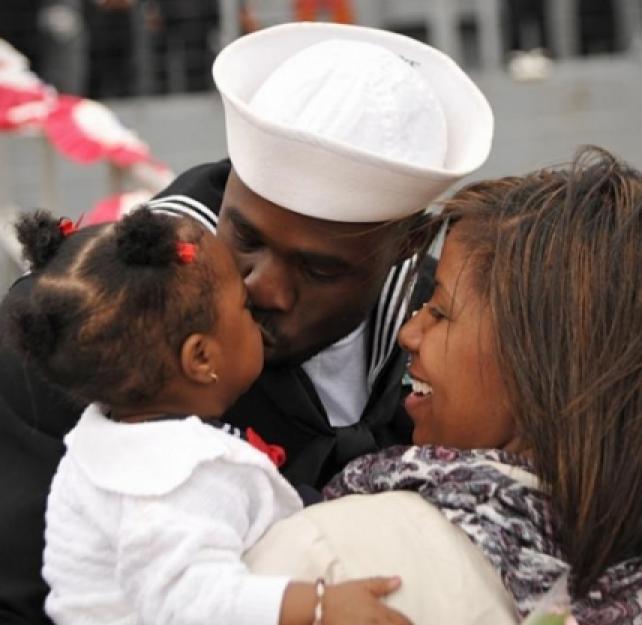
The National Military Family Association understands deeply that “military families serve, too,” alongside their service member or veteran parent or spouse.
Our Miiltary Kids recognizes children for being brave despite their parent’s deployment and all the challenges — large and small — that can come with a parent’s recovery from combat injuries.
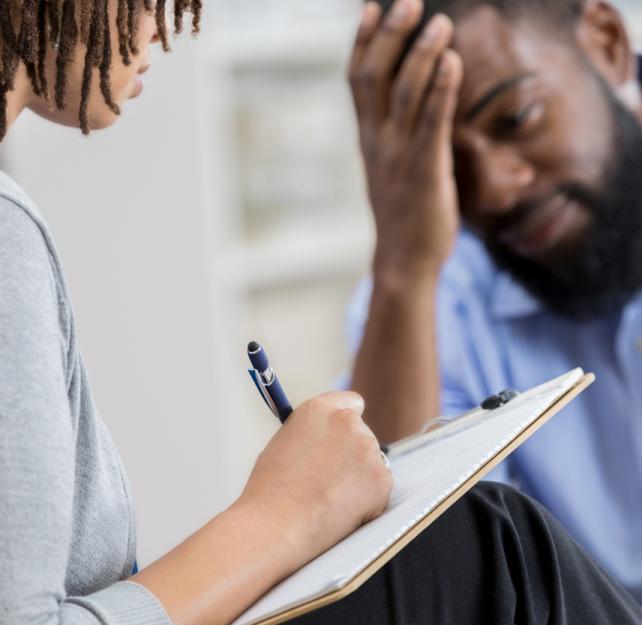
For accountants, it’s tax time; for teachers, it’s September. And for therapists, the busiest time of year is the holidays. Every therapist knows that the winter holiday season is rife with pain, angst and grief.
Caring for a recovering service member can be hard. It can take on an added level of difficulty and stress when, as is often the case, that person is a friend, family member or loved one. Without time to recharge, burnout is a very real risk.
PTSD can make somebody hard to be with. Living with someone who is easily startled, has nightmares, and often avoids social situations can take a toll on the most caring family. Early research on PTSD has shown the harmful impact of PTSD on families.
Anger and irritation after a brain injury are common. Those emotions can be difficult to control, leading to trouble in relationships or at work. Researchers are learning new ways to identify and lessen those feelings. Here are resources that provide information and support for those with brain injury and their families.
Caring for someone with a brain injury can be challenging sometimes. After a brain injury, people often behave differently than they did before. Sometimes people become more angry or irritable. Finding ways to accept and cope with these emotions can help you and the person you love. Here are some ideas that might help:
Questions about how to manage emotional reactions in people with brain injury, how to address caregiver concerns, and other issues are answered by Dr. Dawn Neumann.
Imagine waking up one morning and your loved one lost the ability to recognize and empathize with your feelings. For the last couple of decades, researchers have been showing this to be a common outcome for people who have suffered a traumatic brain injury.
After his brain injury, her husband "never comforted her in times of sadness or worry...He never participated in her joys, not even when their first child was born. Was this because he didn’t care?"
The losses due to a brain injury are “moving targets” which continue to change over a long period of time: thus the losses are “mobile.” The injured individual and their family can't fully grieve lost abilities because there is no way to know which abilities are lost forever and which will eventually return.
Everyone in the family is affected by a brain injury. Your role within the family has changed and the role of your family member with TBI may also have changed. Here are some tips and strategies to assist families during this time of transition.
About a week into one-sided conversations, I began to get a little pissy. Yes, pissy is a word, ask the wife of any combat veteran. So I came up with three options for how to deal with this.
Teens need to be able to talk about their plans and concerns with adults, but it can sometimes be difficult for adults to get out of the driver’s seat and let the teen take charge.