Use the filters to browse the information we have available or to narrow your search results for a specific audience (e.g. caregivers, military, children), a preferred type of content (e.g. videos, blogs, articles), or by topics of interest (e.g. family concerns, legal issues, symptoms).
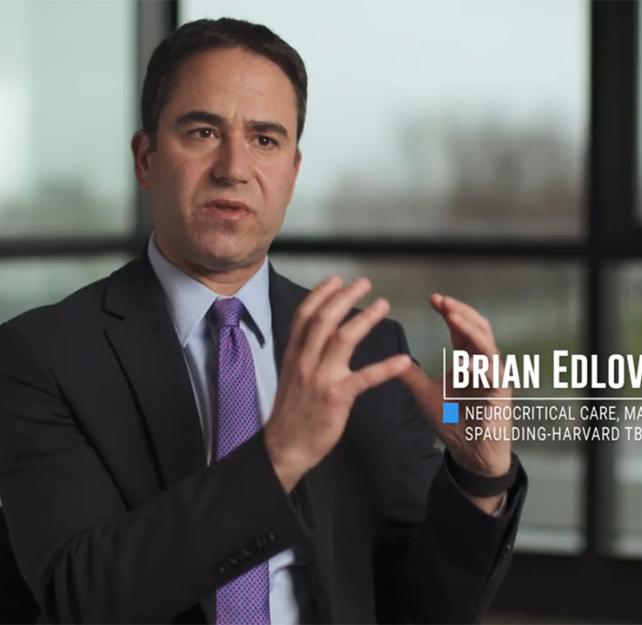
In this video, Brian Edlow, MD, explains how families and clinicians work together to make decisions about life‑sustaining treatment for people with disorders of consciousness.
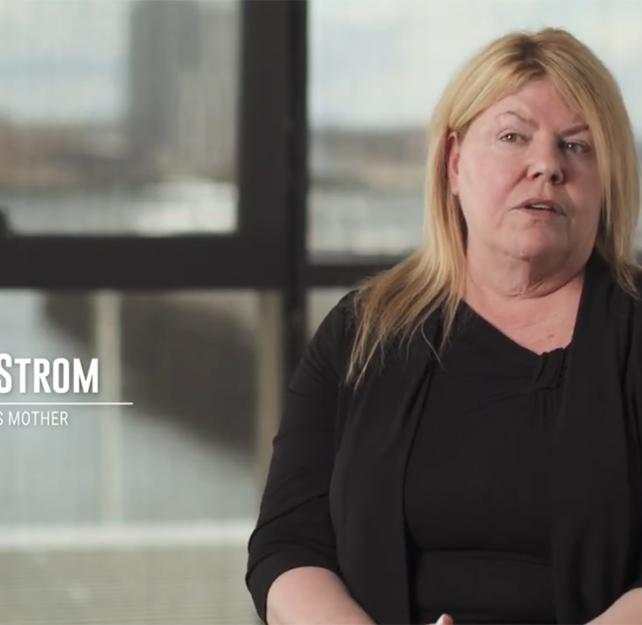
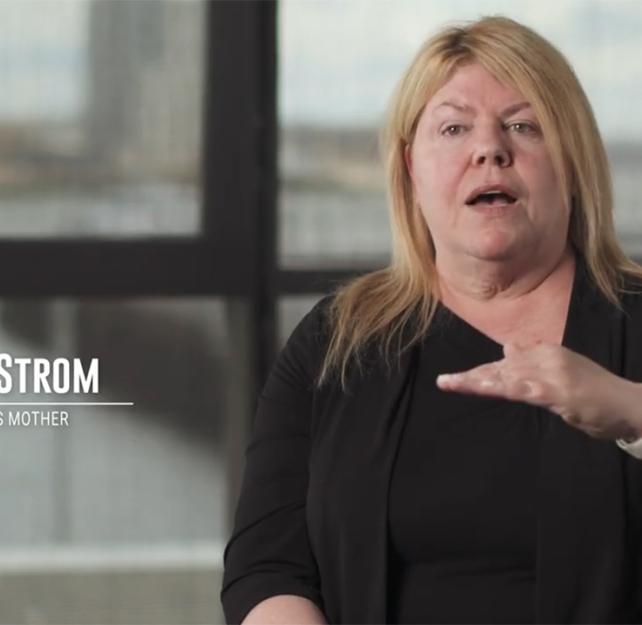
In this video, Gail Strom, mother of Hannah, shares her personal experience navigating the emotional ups and downs of a loved one’s recovery from a disorder of consciousness.
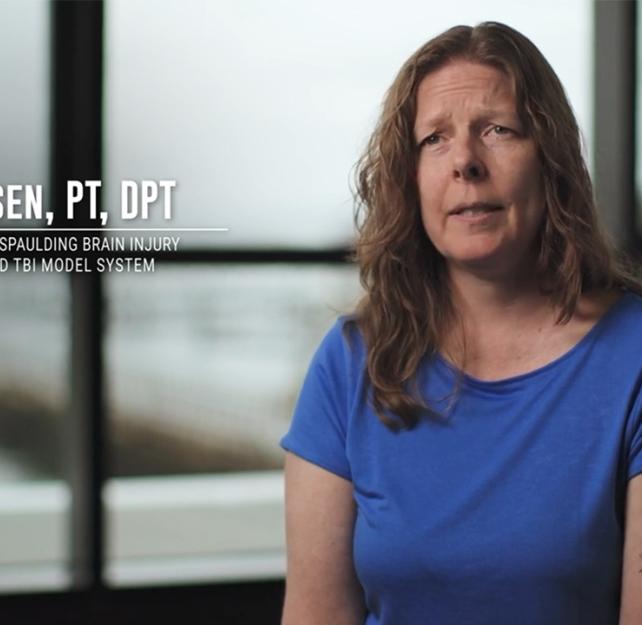
In this video, Beth Hansen, PT, DPT, explains what families should look for when choosing an inpatient rehabilitation program for someone with a disorder of consciousness.
Time seems to pass faster every year. It feels like just yesterday that I first presented at a brain injury conference. It was 2013, and I was asked to offer the keynote address at the Brain Injury Association of Maine’s annual conference. No one was more surprised than me to receive the invitation.
Creating boundaries can feel awkward or wrong when you first start setting them. You might even get pushback if you haven’t done it before. But don’t stop.
USAF Staff Sergeant Adam Watson joined the military just before 9/11 to find a sense of direction as a young adult. He was trained as a linguist and worked in intelligence. He found purpose and fulfillment in his mission to target terrorists but at a high cost. His time in service took a toll on him and, eventually, his family.
Hear how Home Base, a part of the Wounded Warrior Project's Warrior Care Network, helped Adam treat his depression and post-traumatic stress disorder (PTSD) with Prolonged Exposure Therapy (PE) and other complementary therapies in their Intensive Outpatient Program (IOP). For information about treatments for PTSD please visit The Treatment Hub: https://www.brainline.org/treatment/ Don’t forget to like and subscribe! Information about Prolonged Exposure Therapy (PE): https://www.brainline.org/treatment/pe Home Base in Boston, MA, USA: https://homebase.org/ Wounded Warrior Project's Warrior Care Network: https://www.woundedwarriorproject.org/programs/warrior-care-network Website: https://www.BrainLine.org Donate: https://tinyurl.com/BrainLineDonation Facebook: https://www.facebook.com/brainline Twitter: https://twitter.com/brainline LinkedIn: https://www.linkedin.com/company/brainline.org/
The holiday season is upon us and that means family time and reflection. But this year just feels off. I’m not sure if it’s the change of seasons, the upcoming holidays, our added pressures at work, or just the stress of everything going on in the world, but my husband, Russ, and I have both been stressed.
Triggers are weird. A seemingly innocuous thing happens or there is a tiny deviation from routine and you or your loved one loses it. From the outside, it seems like a total overreaction but for the person who has been triggered, it is a fight-or-flight response.
I feel ready to move through whatever comes next. After all, I really only need to worry about making today a well-lived day. Tomorrow is none of my business.
Sometimes it feels like I am a single parent. That breaks my heart to say because my husband really is a fantastic parent as long as he’s not triggered or having a chronic pain flare-up.
Mind-full can be messy, sad, overwhelming, unproductive … and definitely not healthy. Mindful, on the other hand, is calming and satisfying; it can bring me back to my best self.
Her husband was different when he came home from his deployment. Jenna married the love of her life, Isaac, in the United States Navy. He returned home from Afghanistan a changed man. Jenna started feeling stressed out herself.
Thanksgiving is a uniquely American tradition that includes feasting and sharing all for which we are grateful. But this year, I’m just not feeling it. There’s too much weighing heavily on my mind.
I am a big believer in working through what I walk through. If I have learned anything from everything that has come from the day of the crash, it is that we are each responsible for how we respond — and heal from — what happens in our lives. We must learn to heal our way.
“During pregnancy, a mother celebrates the journey with family and friends — think baby names, baby showers, nurseries, tiny clothes … smiles from strangers and proud hands on an ever-expanding belly. The journey of being pregnant is both personal and public. So, what should be one of the most magical experiences shared with family, friends, and colleagues becomes one of private emotional and physical trauma in a closed room, an experience that is then often not acknowledged nor spoken about. The mother returns home still looking pregnant, her hormones still acting as if she is pregnant, but her arms and heart are empty.”
Trauma can be a strange and often insidious beast. We can be traumatized by directly being impacted by an event like a violent physical attack, a rape, a natural disaster, or an experience in combat, but we can also be traumatized indirectly by caring for, hearing about, or witnessing the intense suffering of others. Both the direct and indirect impact of traumatic events can lead to post-traumatic stress disorder (PTSD).
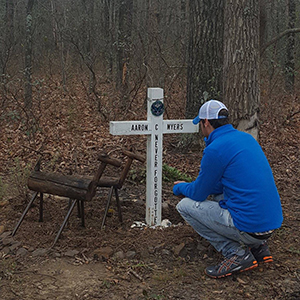
Over the last 10 years ago, since my sons, Aaron and Steven, were involved in a fatal car accident, in which Aaron did not survive and Steven sustained a severe TBI, my life has resembled a lost-and-found bin, filled to the top, running over with more emotions than I could ever imagine sorting through.